

Meer over het boek
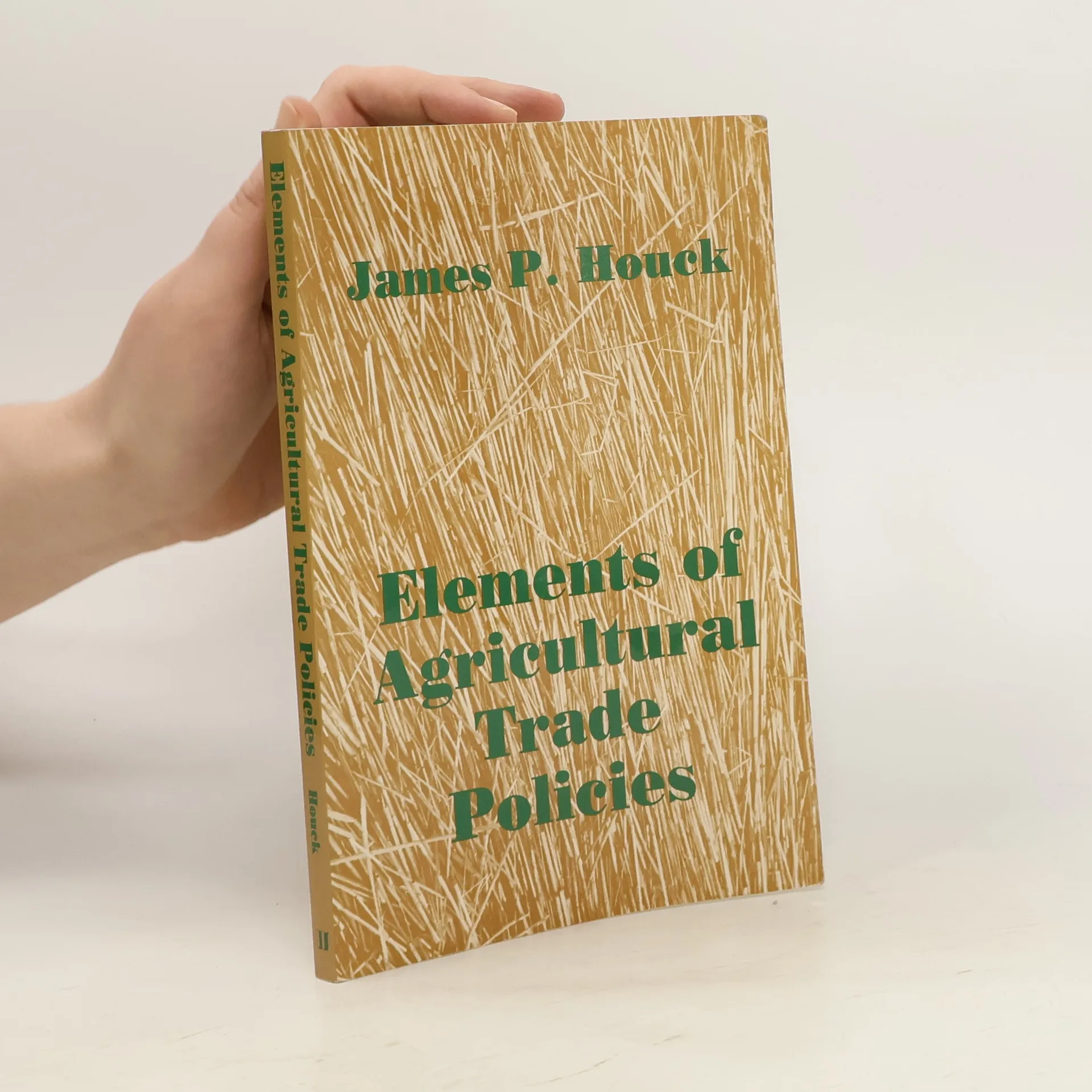
International trade in agricultural products has increased six- fold in the past thirty years; this, accompanied by rapidly changing world markets, has created a demand for an up-to-date book on the economics of agricultural trade policies. With concise, easy-to-follow analysis, Elements of Agricultural Trade Policies introduces the typical protective trade policy schemes and mechanisms used by the major agricultural trading nations, both importers and exporters. In addition, it clearly describes the principles of comparative advantage and economic gains from trade. Houck presents analyses of such traditional strategies as tariffs and quotas, as well as such modern devices as market discrimination and export subsidies. He addresses exchange rates, preferential trading, and effective protection policies, putting special emphasis on partial equilibrium analysis of various trade policy schemes. Most important, by focusing on the economic forces and consequences associated with specific trade policies, irrespective of the nation imposing them or the product involved, this book remains current as time changes. Numerous diagrams, built on a flexible, uniform model that clearly illuminates the trade policies discussed are included. Researchers and policy makers with only limited economic training will find this volume packed with valuable ideas about virtually all major agricultural trade policy interventions.
Een boek kopen
Elements of Agricultural Trade Policies, James P. Houck
- Taal

- Jaar van publicatie
- 1992
- Bindwijze
- (Paperback)
Betaalmethoden
We missen je recensie hier.
- Titel
- Elements of Agricultural Trade Policies
- Taal
- Engels
- Auteurs
- James P. Houck
- Uitgever
- Waveland Pr Inc
- Jaar van publicatie
- 1992
- Formaat
- Paperback
- Aantal pagina's
- 191
- ISBN10
- 0881336599
- ISBN13
- 9780881336597
- Reeks
- Beoordeling
- 4 van 5
- Aantekening
- International trade in agricultural products has increased six- fold in the past thirty years; this, accompanied by rapidly changing world markets, has created a demand for an up-to-date book on the economics of agricultural trade policies. With concise, easy-to-follow analysis, Elements of Agricultural Trade Policies introduces the typical protective trade policy schemes and mechanisms used by the major agricultural trading nations, both importers and exporters. In addition, it clearly describes the principles of comparative advantage and economic gains from trade. Houck presents analyses of such traditional strategies as tariffs and quotas, as well as such modern devices as market discrimination and export subsidies. He addresses exchange rates, preferential trading, and effective protection policies, putting special emphasis on partial equilibrium analysis of various trade policy schemes. Most important, by focusing on the economic forces and consequences associated with specific trade policies, irrespective of the nation imposing them or the product involved, this book remains current as time changes. Numerous diagrams, built on a flexible, uniform model that clearly illuminates the trade policies discussed are included. Researchers and policy makers with only limited economic training will find this volume packed with valuable ideas about virtually all major agricultural trade policy interventions.