



Meer over het boek
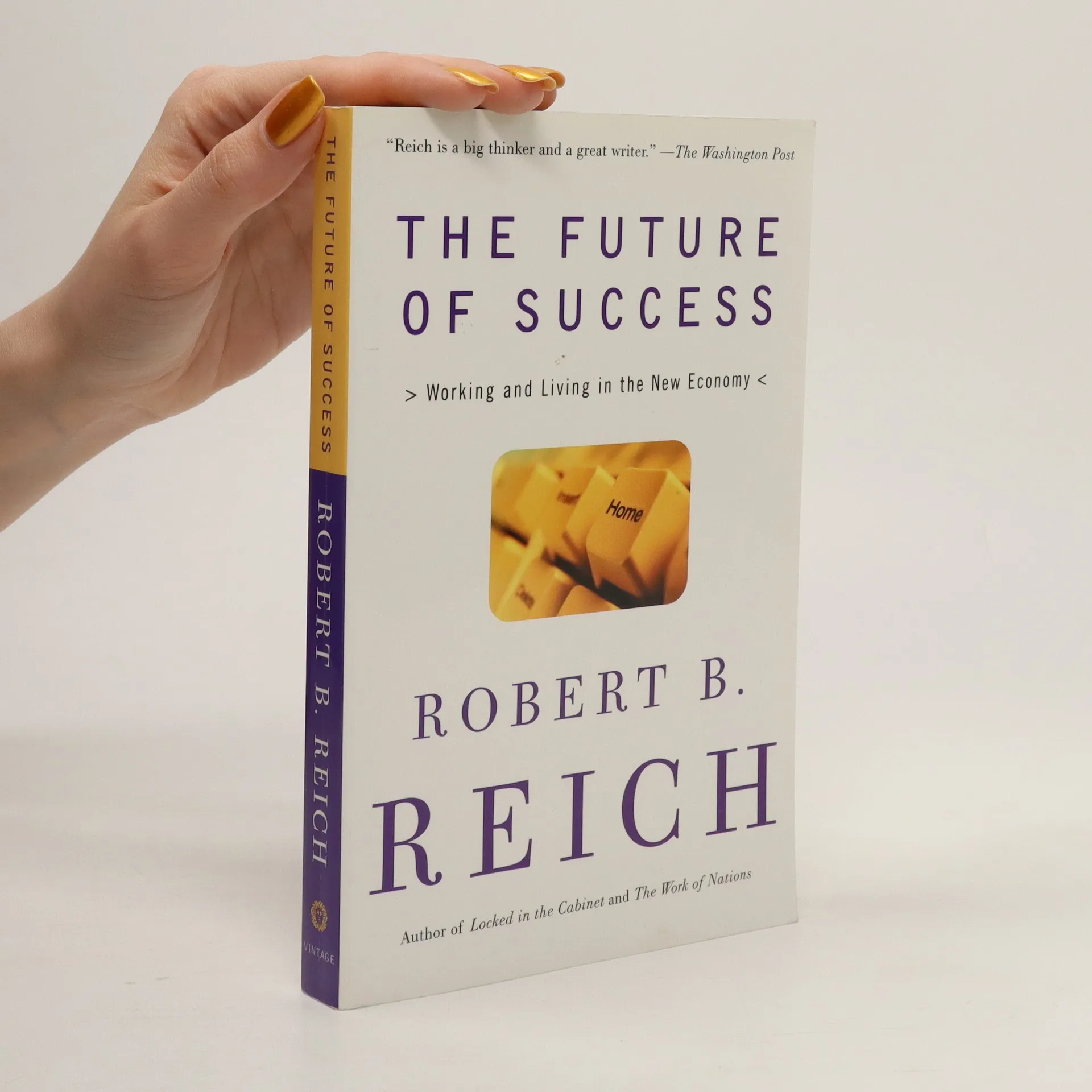
If you think it’s getting harder to both make a living and make a life, economist and former secretary of labor Robert Reich agrees with you. Americans may be earning more than ever before, but we’re paying a steep price: we’re working longer, seeing our families less, and our communities are fragmenting. With the clarity and insight that are his hallmarks, Reich delineates what success has come to mean in our time. He demonstrates that although we have more choices as consumers, and investors, the choices themselves are undermining the rest of our lives. It is getting harder for people to be confident of what they will be earning next year, or even next month. At the same time, our society is splitting into socially stratified enclaves--the wealthier walled off and gated, the poorer isolated and ignored. Although the trends he discusses are powerful, they are not irreversible, and Reich makes provocative suggestions for how we might create a more balanced society and more satisfying lives. Some of his ideas may surprise you; all should spark a healthy–and essential–national debate.



Een boek kopen
The future of success, Robert B. Reich
- Taal

- Jaar van publicatie
- 2002
- Bindwijze
- (Paperback)
Betaalmethoden
We missen je recensie hier.
- Taal
- Engels
- Auteurs
- Robert B. Reich
- Uitgever
- Vintage Books
- Jaar van publicatie
- 2002
- Formaat
- Paperback
- Aantal pagina's
- 304
- ISBN10
- 0375725121
- ISBN13
- 9780375725128
- Reeks
- Tags
- Non-fictie, Sociale Wetenschappen, Handel, Zelfhulp, Politicologie & Politiek, Hedendaagse literatuur, Politiek, Sociologie, Ondernemerschap
- Oorspronkelijke titel
- The future of success
- Beoordeling
- 3,75 van 5
- Aantekening
- If you think it’s getting harder to both make a living and make a life, economist and former secretary of labor Robert Reich agrees with you. Americans may be earning more than ever before, but we’re paying a steep price: we’re working longer, seeing our families less, and our communities are fragmenting. With the clarity and insight that are his hallmarks, Reich delineates what success has come to mean in our time. He demonstrates that although we have more choices as consumers, and investors, the choices themselves are undermining the rest of our lives. It is getting harder for people to be confident of what they will be earning next year, or even next month. At the same time, our society is splitting into socially stratified enclaves--the wealthier walled off and gated, the poorer isolated and ignored. Although the trends he discusses are powerful, they are not irreversible, and Reich makes provocative suggestions for how we might create a more balanced society and more satisfying lives. Some of his ideas may surprise you; all should spark a healthy–and essential–national debate.