



Meer over het boek
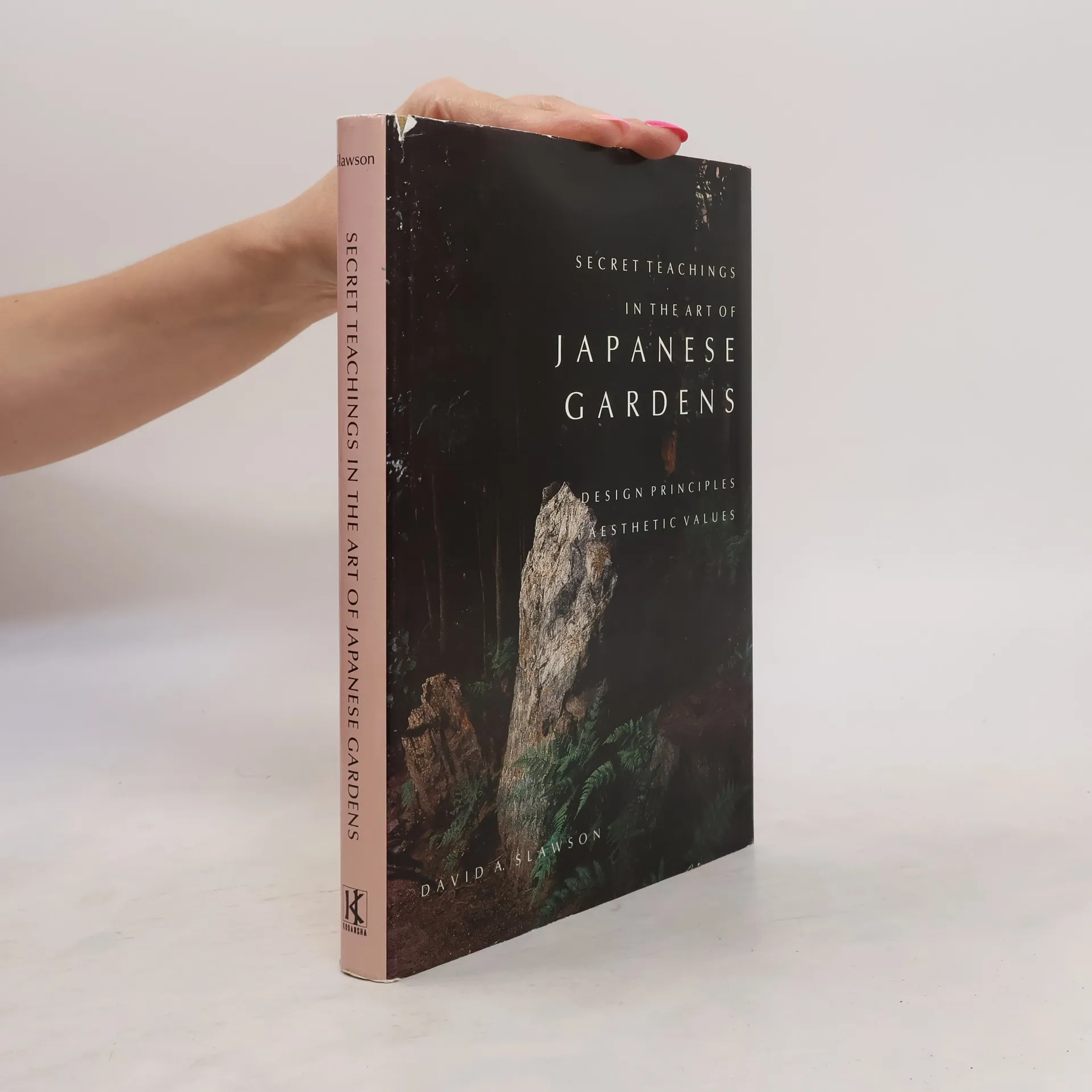
The art of the Japanese garden is a 1,500-year-old tradition that continues to evolve and teach valuable lessons. This work explains the fundamental principles of this tradition and how they can be applied beyond Japan. The author, drawing from his apprenticeship with a master gardener in Kyoto and his knowledge of classical texts, outlines the garden design process through three main aesthetic considerations: scenic effects, which replicate appealing natural landscapes; sensory effects, focusing on scale, framing, rhythm, motion, and spatial quality; and cultural effects, which incorporate references to classical literature, poetry, and painting. The final section includes a complete translation of a classic gardening manual used by Buddhist monks in medieval Japan, detailing rules for planting trees and setting rocks that remain relevant today. The author provides numerous garden descriptions as examples of ancient masters' practices. This clear, authoritative work, illustrated with diagrams and photographs, sheds light on the Japanese compositional sense while advocating for a holistic approach to landscape design, emphasizing that gardens should adhere to natural principles and fulfill the emotional needs of their viewers.


Een boek kopen
Secret Teachings Art of Japanese Gardens, David A. Slawson
- Taal

- Jaar van publicatie
- 1987
- Bindwijze
- (Hardcover)
Betaalmethoden
We missen je recensie hier.
- Titel
- Secret Teachings Art of Japanese Gardens
- Ondertitel
- Design Principles, Aesthetic Values
- Taal
- Engels
- Auteurs
- David A. Slawson
- Uitgever
- Kodansha
- Jaar van publicatie
- 1987
- Formaat
- Hardcover
- Aantal pagina's
- 220
- ISBN10
- 0870117998
- ISBN13
- 9780870117992
- Reeks
- Tags
- Japan
- Beoordeling
- 4,05 van 5
- Aantekening
- The art of the Japanese garden is a 1,500-year-old tradition that continues to evolve and teach valuable lessons. This work explains the fundamental principles of this tradition and how they can be applied beyond Japan. The author, drawing from his apprenticeship with a master gardener in Kyoto and his knowledge of classical texts, outlines the garden design process through three main aesthetic considerations: scenic effects, which replicate appealing natural landscapes; sensory effects, focusing on scale, framing, rhythm, motion, and spatial quality; and cultural effects, which incorporate references to classical literature, poetry, and painting. The final section includes a complete translation of a classic gardening manual used by Buddhist monks in medieval Japan, detailing rules for planting trees and setting rocks that remain relevant today. The author provides numerous garden descriptions as examples of ancient masters' practices. This clear, authoritative work, illustrated with diagrams and photographs, sheds light on the Japanese compositional sense while advocating for a holistic approach to landscape design, emphasizing that gardens should adhere to natural principles and fulfill the emotional needs of their viewers.