


Parameters
Meer over het boek
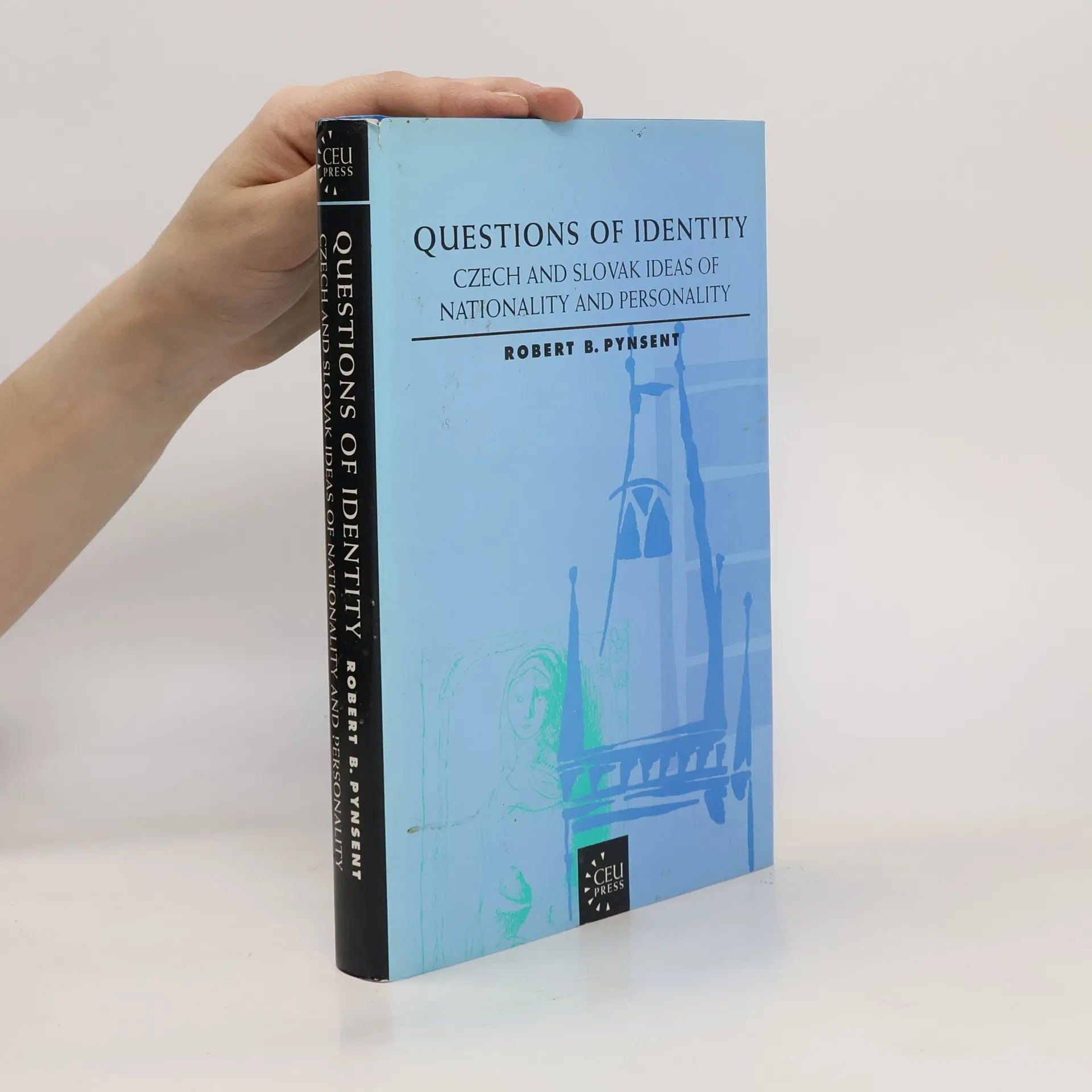
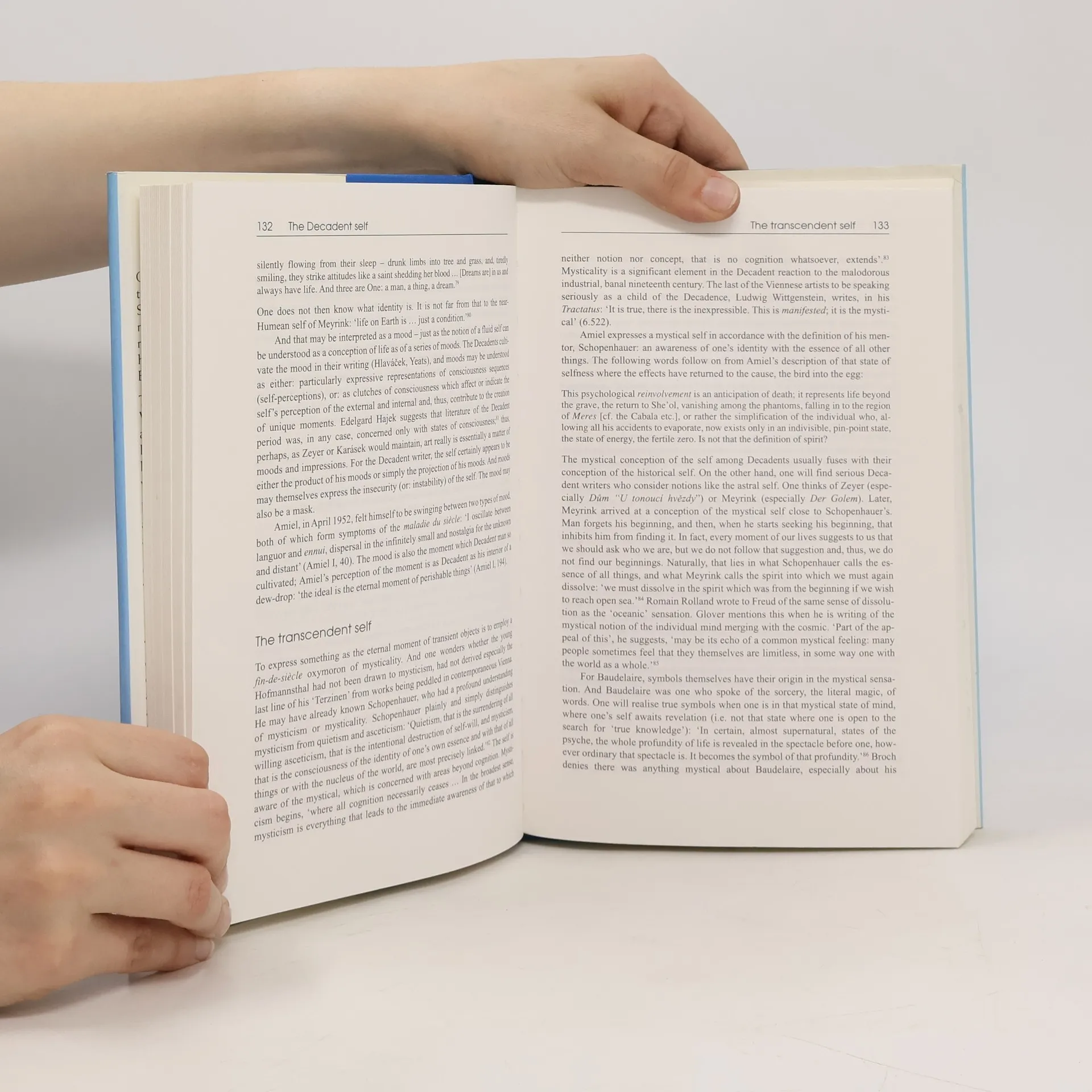
Questions of Identity treats four varieties of conceptions of individual and social identity. This interdisciplinary book describes and analyzes four trends of thought that have prevailed at one time in most of Europe over the last two the idea of the responsible citizen, theconcept of patriotism or nationalism, the loss of self, and "suffering" as a formative element in the "national character." In a section devoted to Václav Havel, Pynsent treats Havel's notion of personal identity as expressed in personal responsibility. Another section concerning national identitylooks in particular at two early nineteenth-century Slovaks who rejected Slovak nationalism and whose ideas ultimately had a profound impact on East European thinking on nationality up to the fall of communism. A third section deals with the beginnings of Modernism and the apparent disintegration ofthe self in West European and Czech writers. The final section addresses Vladimír Páral's expositions of the Czech cult of national martyrs since St. Wenceslas and the extent to which the "martyr" complex remains part of Czech self-identification.

Een boek kopen
Questions of Identity, Robert B. Pynsent
- Taal

- Jaar van publicatie
- 1994
- Bindwijze
- (Hardcover)
Betaalmethoden
We missen je recensie hier.
- Titel
- Questions of Identity
- Ondertitel
- Czech and Slovak Ideas of Nationality and Personality
- Taal
- Engels
- Auteurs
- Robert B. Pynsent
- Uitgever
- CEU Press
- Jaar van publicatie
- 1994
- Formaat
- Hardcover
- ISBN10
- 185866005X
- ISBN13
- 9781858660059
- Reeks
- Tags
- Eerste editie
- 1994
- Oorspronkelijke titel
- Questions Of Identity: Czech And Slovak Ideas Of Nationality And Personality
- Beoordeling
- 5 van 5
- Aantekening
- Questions of Identity treats four varieties of conceptions of individual and social identity. This interdisciplinary book describes and analyzes four trends of thought that have prevailed at one time in most of Europe over the last two the idea of the responsible citizen, theconcept of patriotism or nationalism, the loss of self, and "suffering" as a formative element in the "national character." In a section devoted to Václav Havel, Pynsent treats Havel's notion of personal identity as expressed in personal responsibility. Another section concerning national identitylooks in particular at two early nineteenth-century Slovaks who rejected Slovak nationalism and whose ideas ultimately had a profound impact on East European thinking on nationality up to the fall of communism. A third section deals with the beginnings of Modernism and the apparent disintegration ofthe self in West European and Czech writers. The final section addresses Vladimír Páral's expositions of the Czech cult of national martyrs since St. Wenceslas and the extent to which the "martyr" complex remains part of Czech self-identification.