


Meer over het boek
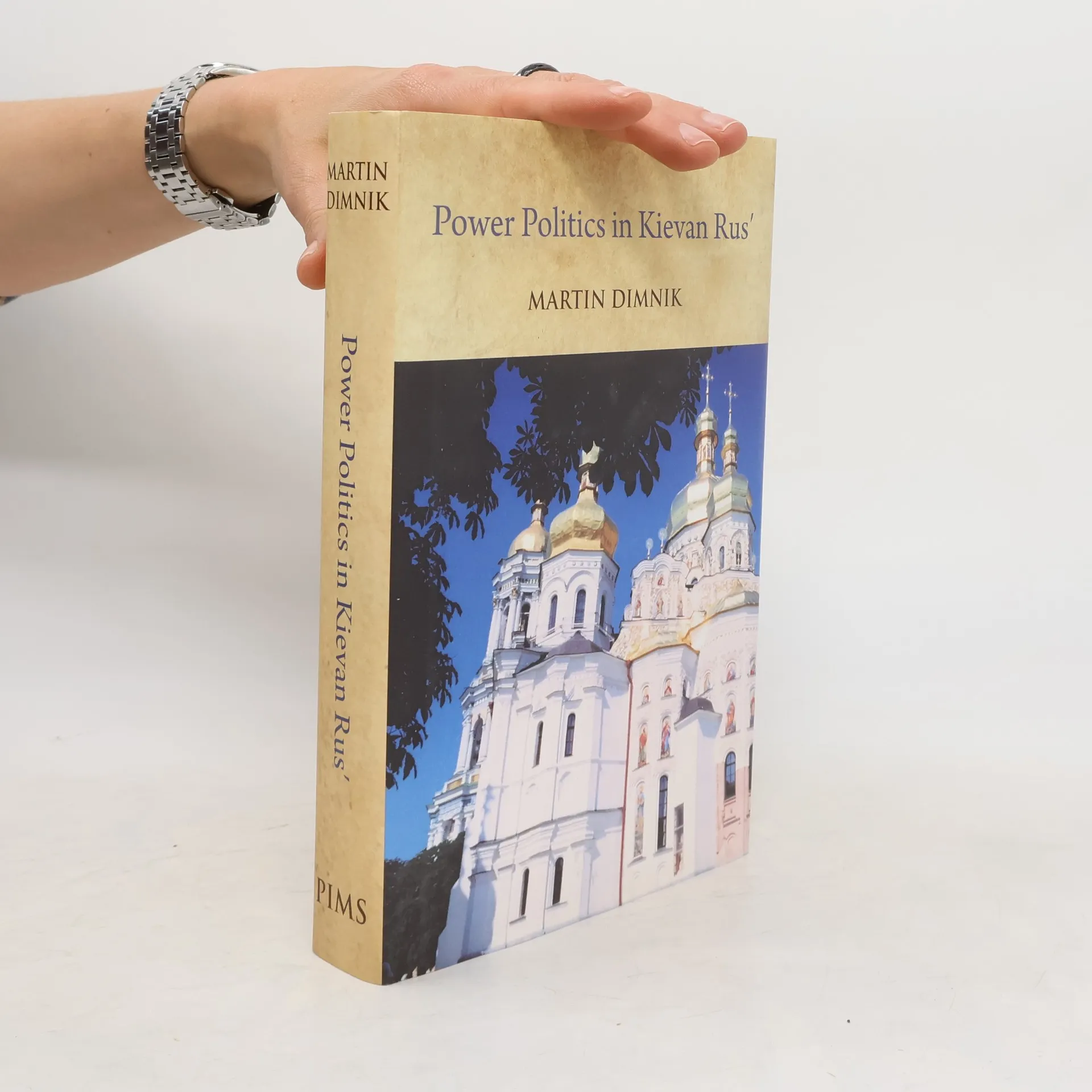
This study aims to detail the political history of the Kievan Rus' dynasty descended from Vladimir Vsevolodovich Monomakh, which ruled from the mid-11th to mid-13th century. It argues, based on both documented and circumstantial evidence, that Monomakh skillfully manipulated Rus' politics to his advantage. The book systematically addresses all relevant political information reported in the chronicles about Vladimir Monomakh, examining events chronologically to clarify the relationships among succession rivalries, territorial disputes, and treaties. From Yaroslav's death in 1054 to the early 1240s, Vsevolod's descendants maintained significant political supremacy, largely due to the groundwork laid by Monomakh. His exceptional foresight, ambition, and political acumen, along with favorable circumstances, contributed to their success. Despite this, no comprehensive study of the dynasty as a whole has been conducted until now. This work seeks to fill that gap, targeting scholars and students interested in Kievan Rus' history. It introduces students to the princely dynasties and the challenges they faced, particularly regarding orderly succession, while offering a detailed examination for more advanced scholars.
Een boek kopen
Power Politics in Kievan Rusʹ̂, Martin Dimnik
- Taal

- Jaar van publicatie
- 2016
- Bindwijze
- (Hardcover)
Betaalmethoden
We missen je recensie hier.
- Titel
- Power Politics in Kievan Rusʹ̂
- Taal
- Engels
- Auteurs
- Martin Dimnik
- Uitgever
- PIMS
- Jaar van publicatie
- 2016
- Formaat
- Hardcover
- Aantal pagina's
- 470
- ISBN10
- 0888442025
- ISBN13
- 9780888442024
- Reeks
- Categorieën
- Beoordeling
- 5 van 5
- Aantekening
- This study aims to detail the political history of the Kievan Rus' dynasty descended from Vladimir Vsevolodovich Monomakh, which ruled from the mid-11th to mid-13th century. It argues, based on both documented and circumstantial evidence, that Monomakh skillfully manipulated Rus' politics to his advantage. The book systematically addresses all relevant political information reported in the chronicles about Vladimir Monomakh, examining events chronologically to clarify the relationships among succession rivalries, territorial disputes, and treaties. From Yaroslav's death in 1054 to the early 1240s, Vsevolod's descendants maintained significant political supremacy, largely due to the groundwork laid by Monomakh. His exceptional foresight, ambition, and political acumen, along with favorable circumstances, contributed to their success. Despite this, no comprehensive study of the dynasty as a whole has been conducted until now. This work seeks to fill that gap, targeting scholars and students interested in Kievan Rus' history. It introduces students to the princely dynasties and the challenges they faced, particularly regarding orderly succession, while offering a detailed examination for more advanced scholars.