



Meer over het boek
This paper summarizes recent advances in causal inference and highlights the necessary shifts from traditional statistical analysis to causal analysis of multivariate data. It emphasizes the foundational assumptions of causal inferences, the language used to express these assumptions, and the conditional nature of causal and counterfactual claims, along with the methods developed to assess them. The discussion is grounded in a general theory of causation based on the Structural Causal Model (SCM), which integrates various approaches to causation and offers a coherent mathematical framework for analyzing causes and counterfactuals. The paper explores mathematical tools for addressing three types of causal queries: (1) the effects of potential interventions (causal effects or policy evaluation), (2) probabilities of counterfactuals (including "regret," "attribution," and "causes of effects"), and (3) direct and indirect effects (mediation). Additionally, it defines the formal and conceptual relationships between structural and potential-outcome frameworks, presenting tools for a combined analysis that leverages the strengths of both. These tools are illustrated through analyses of mediation, causes of effects, and probabilities of causation.
Een boek kopen
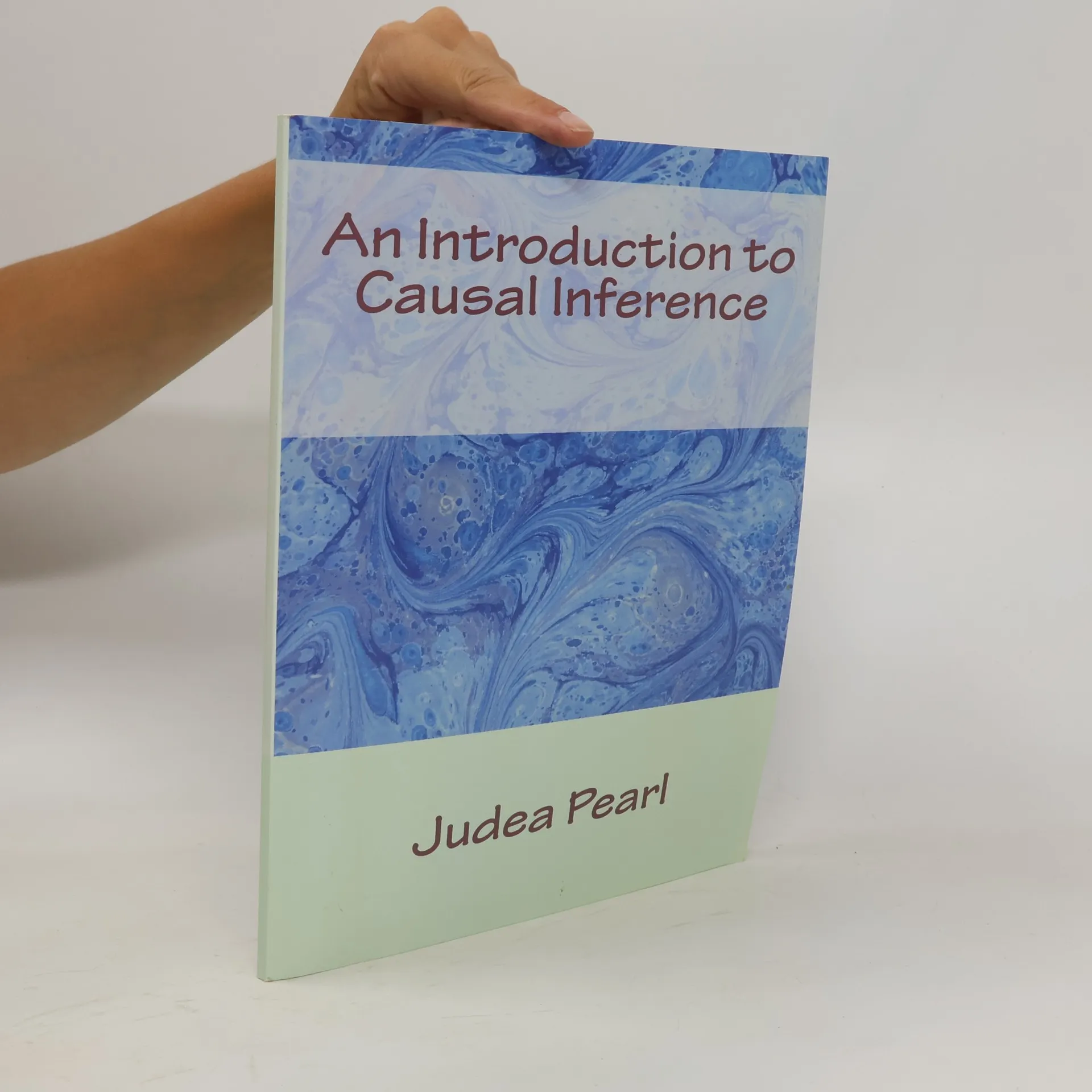
An Introduction to Causal Inference, Judea Pearl
- Taal

- Jaar van publicatie
- 2015
- Bindwijze
- (Paperback)
Betaalmethoden
We missen je recensie hier.
- Titel
- An Introduction to Causal Inference
- Taal
- Engels
- Auteurs
- Judea Pearl
- Jaar van publicatie
- 2015
- Formaat
- Paperback
- Aantal pagina's
- 94
- ISBN10
- 1507894295
- ISBN13
- 9781507894293
- Reeks
- Categorieën
- Tags
- Wereldliteratuur
- Beoordeling
- 3,4 van 5
- Aantekening
- This paper summarizes recent advances in causal inference and highlights the necessary shifts from traditional statistical analysis to causal analysis of multivariate data. It emphasizes the foundational assumptions of causal inferences, the language used to express these assumptions, and the conditional nature of causal and counterfactual claims, along with the methods developed to assess them. The discussion is grounded in a general theory of causation based on the Structural Causal Model (SCM), which integrates various approaches to causation and offers a coherent mathematical framework for analyzing causes and counterfactuals. The paper explores mathematical tools for addressing three types of causal queries: (1) the effects of potential interventions (causal effects or policy evaluation), (2) probabilities of counterfactuals (including "regret," "attribution," and "causes of effects"), and (3) direct and indirect effects (mediation). Additionally, it defines the formal and conceptual relationships between structural and potential-outcome frameworks, presenting tools for a combined analysis that leverages the strengths of both. These tools are illustrated through analyses of mediation, causes of effects, and probabilities of causation.