

Meer over het boek
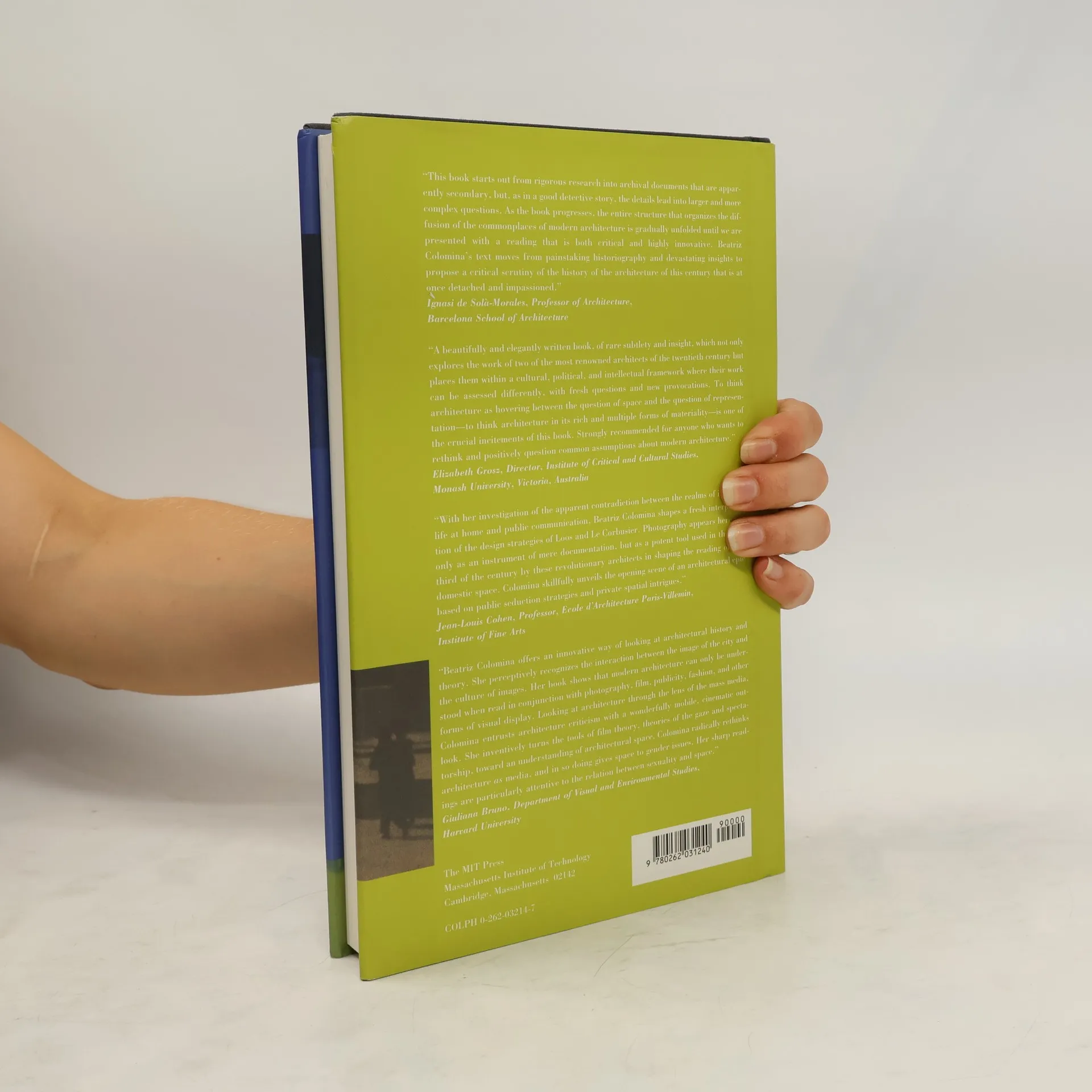
Through close readings of key figures in the modern movement, Beatriz Colomina argues that architecture becomes modern through its engagement with mass media, radically displacing traditional notions of space and subjectivity. The work challenges ideological assumptions about modern architecture and reconsiders architectural criticism. While conventional views depict modern architecture as a high art form opposing mass culture, Colomina identifies mass media as the true context for its production. She explores architectural discourse as an intersection of various representation systems, including drawings, models, photographs, books, films, and advertisements. This perspective does not abandon the architectural object but reinterprets it as a mechanism of representation. With modernity, architectural production shifted from physical spaces to images in photographs, films, and publications, creating a new sense of space defined by visuals rather than walls. Colomina argues that this age of publicity transforms the status of the private, suggesting that modernity is the publicity of the private. Modern architecture renegotiates the public-private relationship, profoundly altering spatial experience. Colomina traces this shift through modern representations of the archive, city, fashion, war, sexuality, advertising, the window, and the museum, ultimately focusing on the domestic interior that shapes the modern subject it seemingl
Uitgave


Een boek kopen
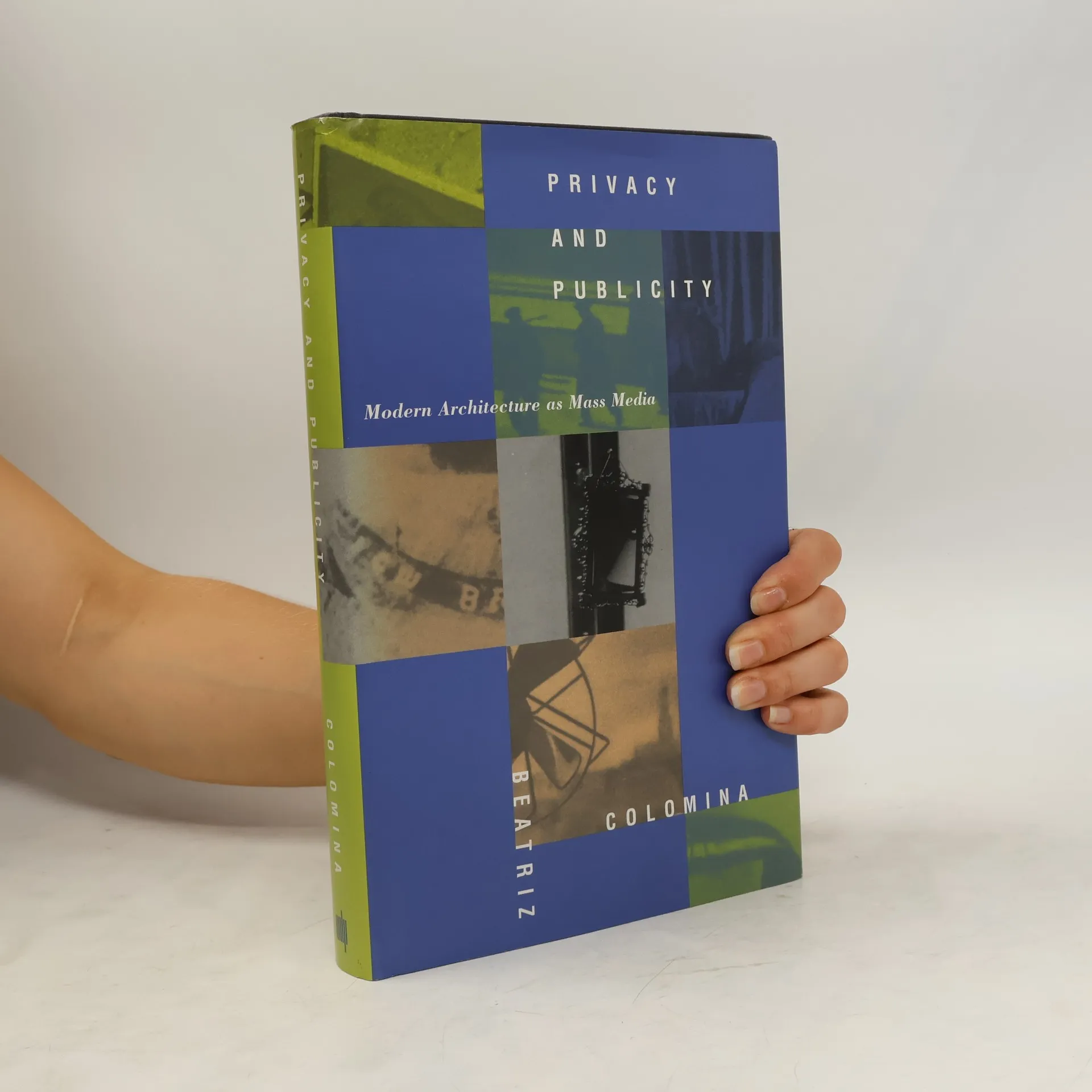
Privacy and Publicity, Beatriz Colomina
- Taal

- Jaar van publicatie
- product-detail.submit-box.info.binding
- (Hardcover)
Betaalmethoden
We missen je recensie hier.
- Ondertitel
- Modern Architecture as Mass Media
- Taal
- Engels
- Auteurs
- Beatriz Colomina
- Uitgever
- MIT Press
- Formaat
- Hardcover
- ISBN10
- 0262031248
- ISBN13
- 9780262031240
- Reeks
- Tags
- Non-fictie, Sociale Wetenschappen, Handel, Business & Management, Economie, Media en communicatie
- Beoordeling
- 4,3 van 5
- Aantekening
- Through close readings of key figures in the modern movement, Beatriz Colomina argues that architecture becomes modern through its engagement with mass media, radically displacing traditional notions of space and subjectivity. The work challenges ideological assumptions about modern architecture and reconsiders architectural criticism. While conventional views depict modern architecture as a high art form opposing mass culture, Colomina identifies mass media as the true context for its production. She explores architectural discourse as an intersection of various representation systems, including drawings, models, photographs, books, films, and advertisements. This perspective does not abandon the architectural object but reinterprets it as a mechanism of representation. With modernity, architectural production shifted from physical spaces to images in photographs, films, and publications, creating a new sense of space defined by visuals rather than walls. Colomina argues that this age of publicity transforms the status of the private, suggesting that modernity is the publicity of the private. Modern architecture renegotiates the public-private relationship, profoundly altering spatial experience. Colomina traces this shift through modern representations of the archive, city, fashion, war, sexuality, advertising, the window, and the museum, ultimately focusing on the domestic interior that shapes the modern subject it seemingl