

Parameters
- 142bladzijden
- 5 uur lezen
Meer over het boek
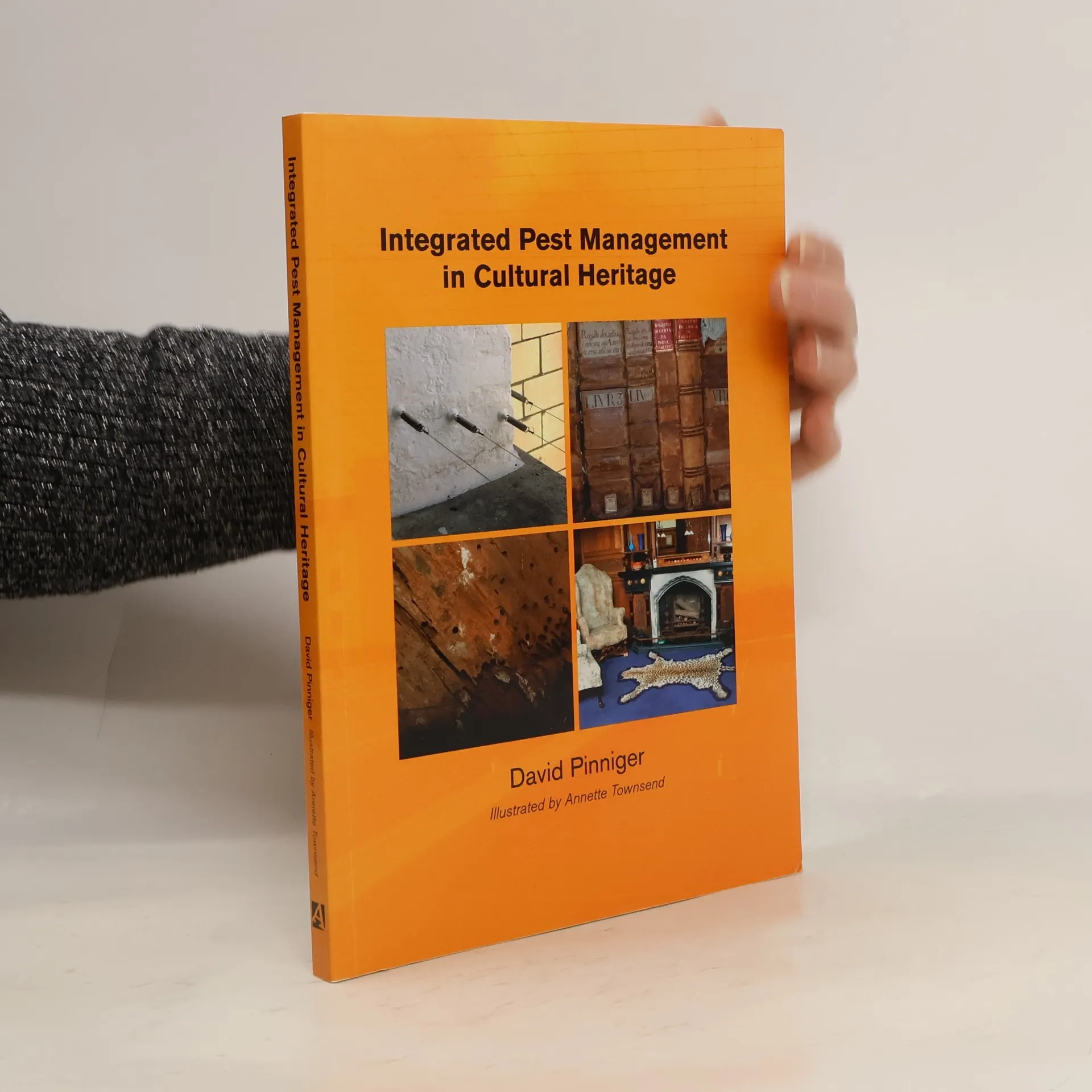
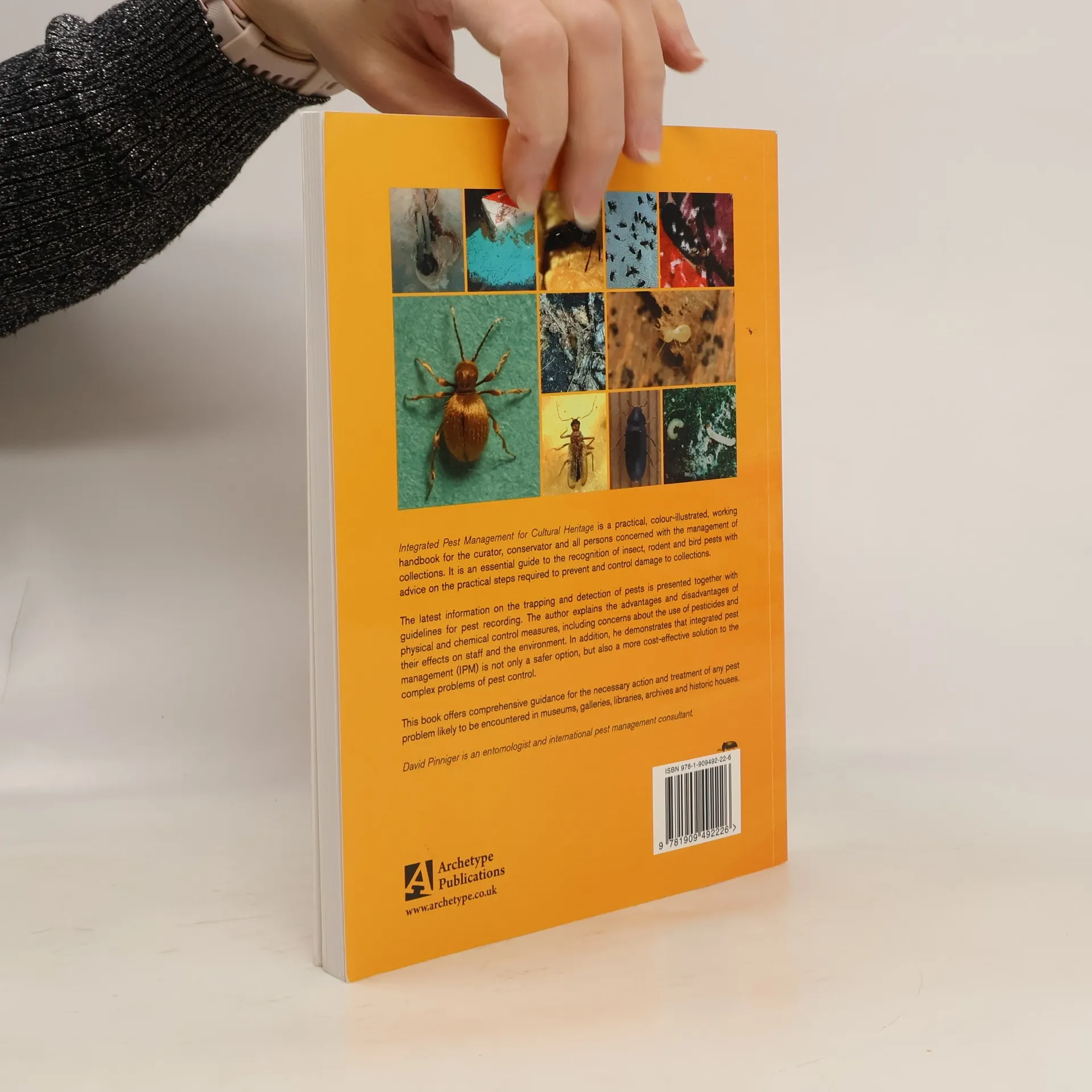
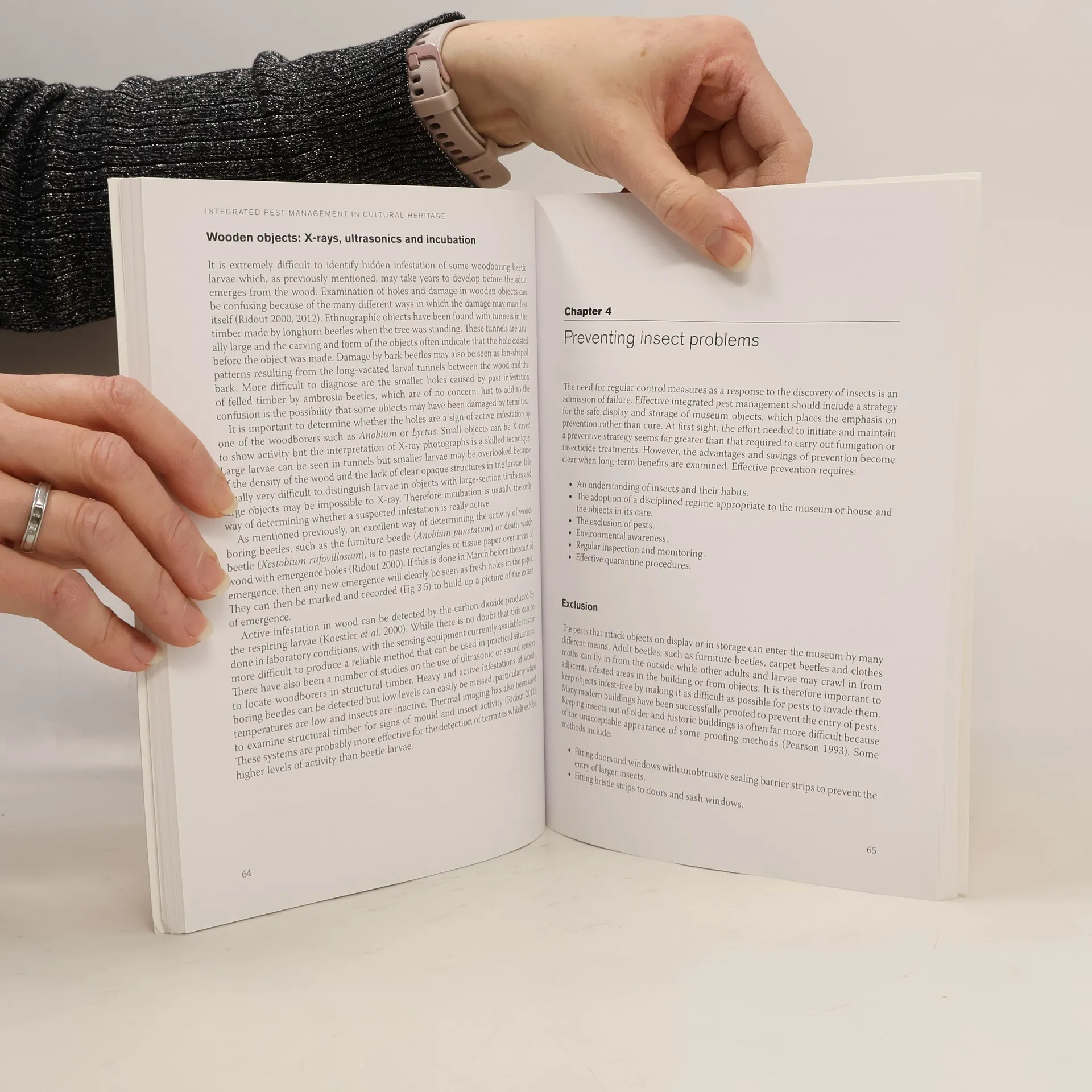
This practical, color-illustrated handbook serves as an essential guide for curators, conservators, and anyone involved in managing collections. It focuses on identifying insect, rodent, and bird pests while providing actionable steps to prevent and control damage. The author shares the latest insights on pest trapping and detection, discussing the pros and cons of physical and chemical control methods, including pesticide concerns regarding staff and environmental safety. Integrated Pest Management (IPM) is presented as a safer and more cost-effective solution to pest control challenges. The book offers thorough guidance on addressing pest issues commonly faced in museums, archives, and historic houses. Key topics include an introduction to IPM, the nature of insect pests, detection and monitoring techniques, prevention strategies, and control methods for insects, rodents, and birds. It outlines pest control strategies, museum practices, risk zones, and the importance of training and communication. Additional sections cover the management of various pests, including feral birds and vertebrates, as well as resources for further reading. This comprehensive resource is designed to enhance the understanding and implementation of effective pest management in cultural heritage settings.
Een boek kopen
Integrated Pest Management for Cultural Heritage, David Pinniger, Adrian Meyer, Annette Townsend
- Taal

- Jaar van publicatie
- 2015
- Bindwijze
- (Paperback)
Betaalmethoden
We missen je recensie hier.
- Titel
- Integrated Pest Management for Cultural Heritage
- Taal
- Engels
- Auteurs
- David Pinniger, Adrian Meyer, Annette Townsend
- Uitgever
- Archetype Books
- Jaar van publicatie
- 2015
- Formaat
- Paperback
- Aantal pagina's
- 142
- ISBN10
- 1909492221
- ISBN13
- 9781909492226
- Reeks
- Beoordeling
- 4,35 van 5
- Aantekening
- This practical, color-illustrated handbook serves as an essential guide for curators, conservators, and anyone involved in managing collections. It focuses on identifying insect, rodent, and bird pests while providing actionable steps to prevent and control damage. The author shares the latest insights on pest trapping and detection, discussing the pros and cons of physical and chemical control methods, including pesticide concerns regarding staff and environmental safety. Integrated Pest Management (IPM) is presented as a safer and more cost-effective solution to pest control challenges. The book offers thorough guidance on addressing pest issues commonly faced in museums, archives, and historic houses. Key topics include an introduction to IPM, the nature of insect pests, detection and monitoring techniques, prevention strategies, and control methods for insects, rodents, and birds. It outlines pest control strategies, museum practices, risk zones, and the importance of training and communication. Additional sections cover the management of various pests, including feral birds and vertebrates, as well as resources for further reading. This comprehensive resource is designed to enhance the understanding and implementation of effective pest management in cultural heritage settings.