

Parameters
Meer over het boek
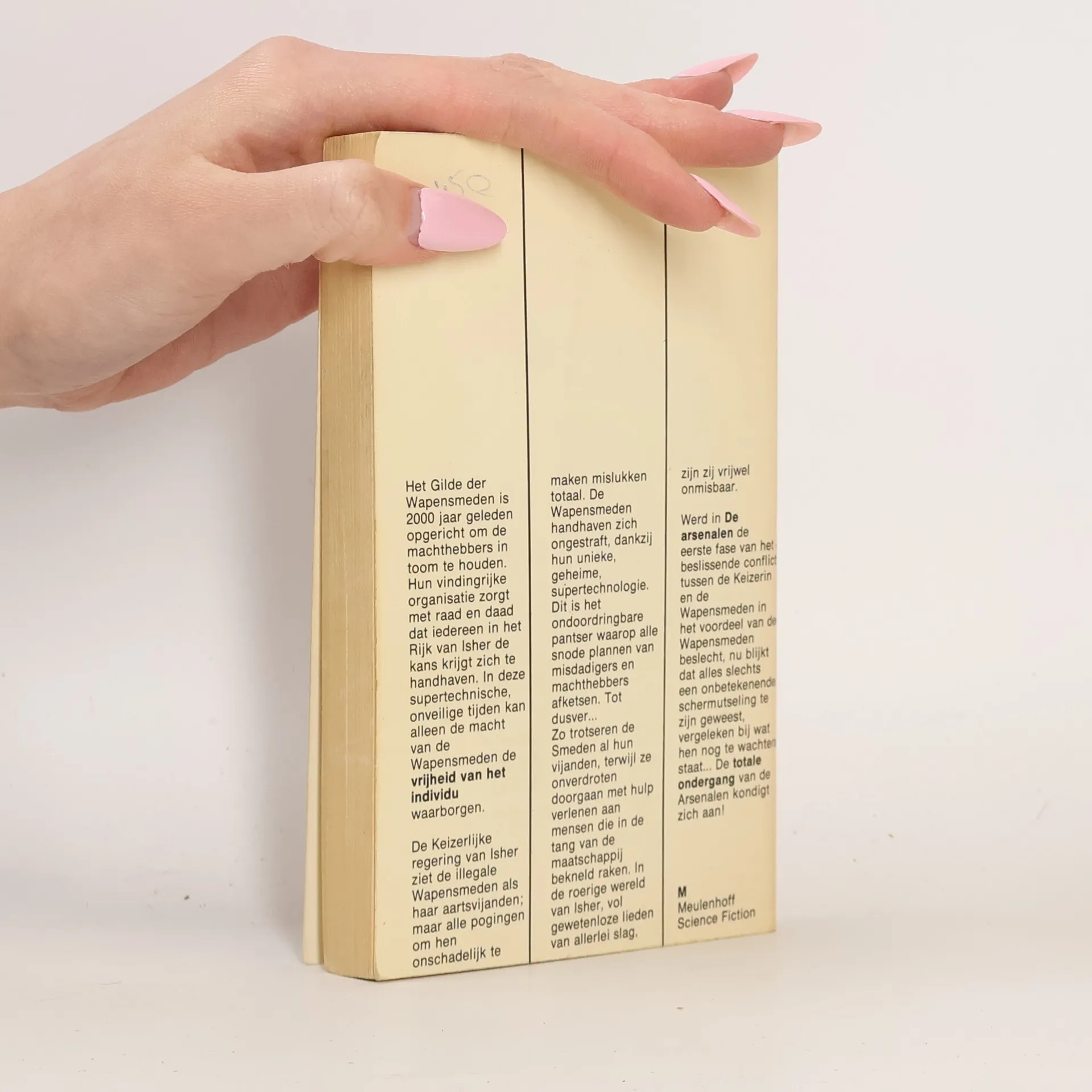
Following the success of the stories that formed The Weapon Shops of Isher, van Vogt wrote the novel, The Weapon Makers, in 1943, to enlarge the story of human immortality, the conflict between a controlling government, The House of Isher, the mysterious Weapon Shops and man's place in the universe. The promise of the Weapon Shops' slogan, The Right to Buy Weapons is the Right to Be Free, is described thus: "Many of these weapons still carried the old names. “Guns” they were called, or “revolvers,” or “rifles,” but there the resemblance ended. These “guns” did not shoot bullets, they discharged energy in many forms and quantities. Some of them could kill or destroy at a thousand miles if necessary, and yet they were controlled by the same sensitive elements as the Weapon Shop door. Just as the door refused to open for police officers, Imperial soldiers or people unfriendly to the Shops, so these guns had been set to fire only in self-defense, and against certain animals during open season. They also had other special qualities, particularly as to defense and speed of operation."




Een boek kopen
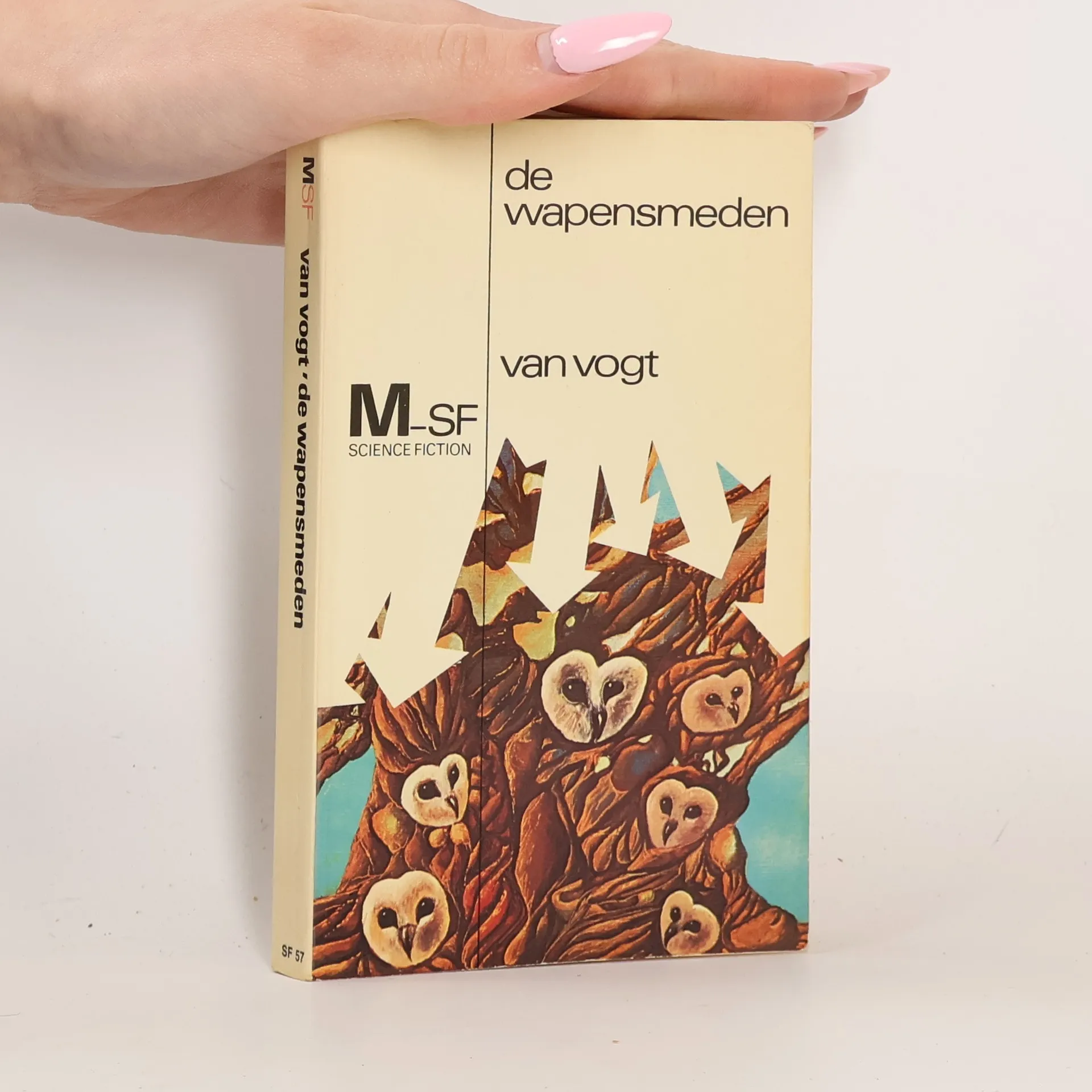
De wapensmeden, Alfred Elton Van Vogt
- Taal

- Jaar van publicatie
- 1973
- Bindwijze
- (Paperback)
Betaalmethoden
We missen je recensie hier.
- Titel
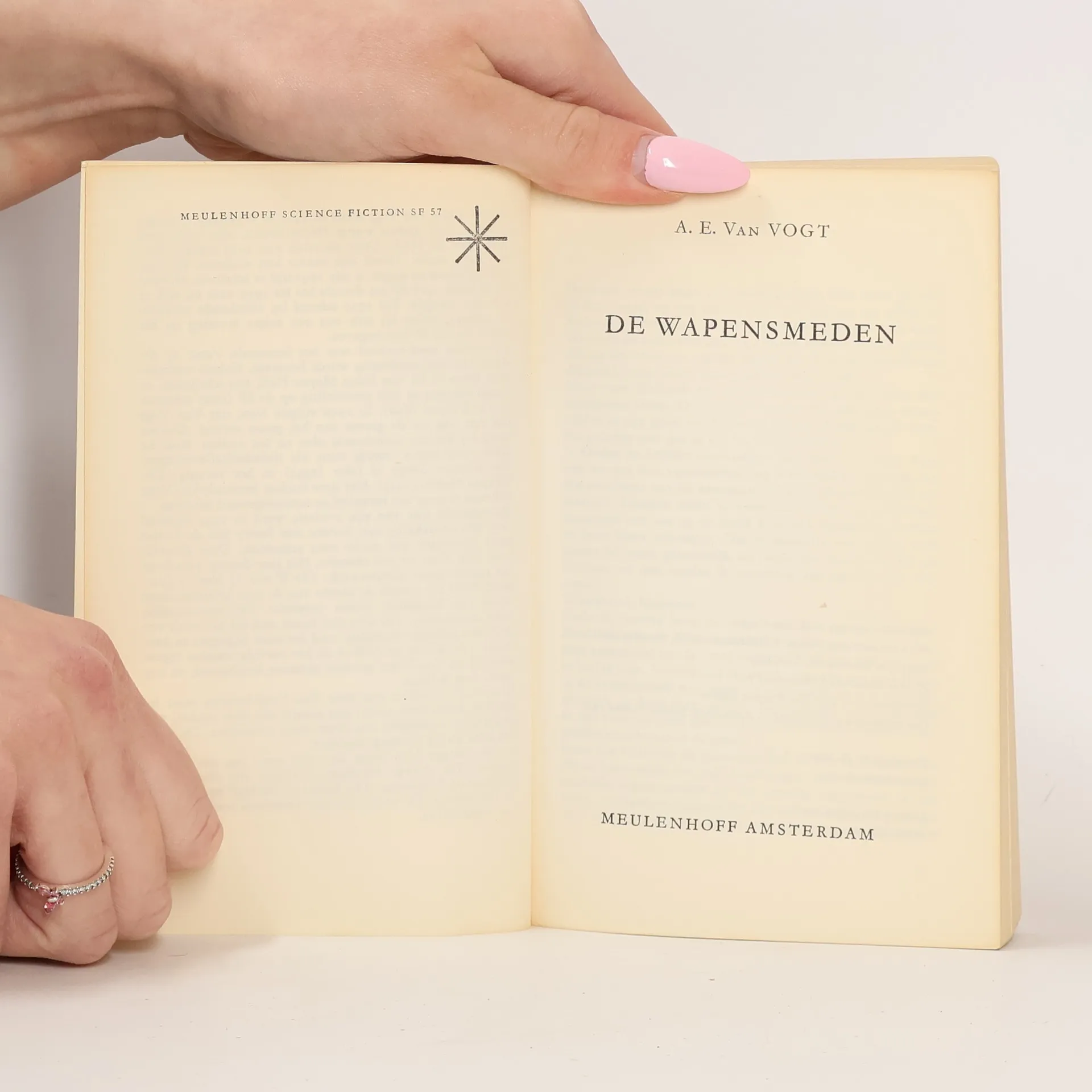
- De wapensmeden
- Taal
- Nederlands
- Auteurs
- Alfred Elton Van Vogt
- Uitgever
- Meulenhoff SF
- Jaar van publicatie
- 1973
- Formaat
- Paperback
- Oorspronkelijke titel
- The weapon makers
- Beoordeling
- 3,9 van 5
- Aantekening
- Following the success of the stories that formed The Weapon Shops of Isher, van Vogt wrote the novel, The Weapon Makers, in 1943, to enlarge the story of human immortality, the conflict between a controlling government, The House of Isher, the mysterious Weapon Shops and man's place in the universe. The promise of the Weapon Shops' slogan, The Right to Buy Weapons is the Right to Be Free, is described thus: "Many of these weapons still carried the old names. “Guns” they were called, or “revolvers,” or “rifles,” but there the resemblance ended. These “guns” did not shoot bullets, they discharged energy in many forms and quantities. Some of them could kill or destroy at a thousand miles if necessary, and yet they were controlled by the same sensitive elements as the Weapon Shop door. Just as the door refused to open for police officers, Imperial soldiers or people unfriendly to the Shops, so these guns had been set to fire only in self-defense, and against certain animals during open season. They also had other special qualities, particularly as to defense and speed of operation."