

Parameters
- 232bladzijden
- 9 uur lezen
Meer over het boek
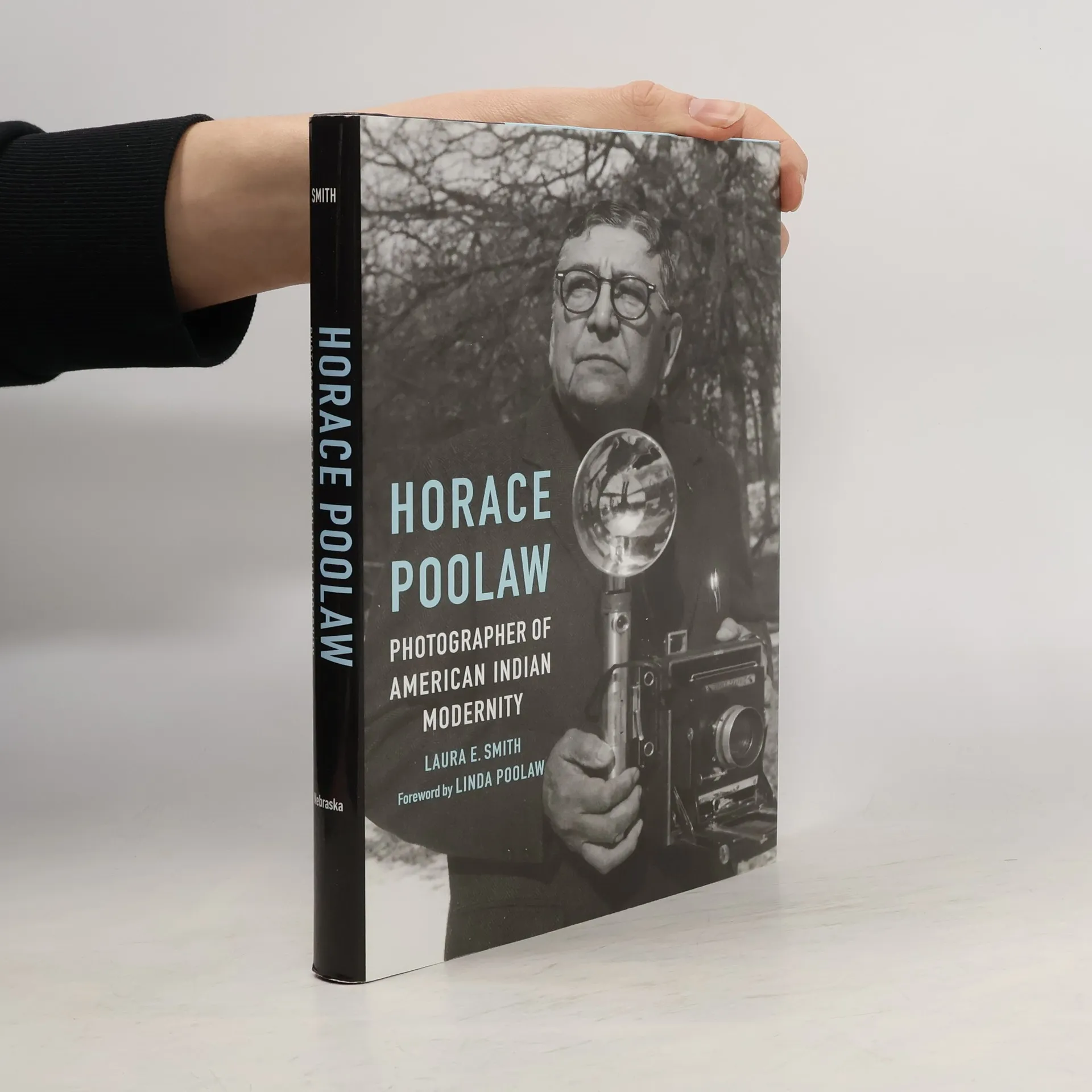
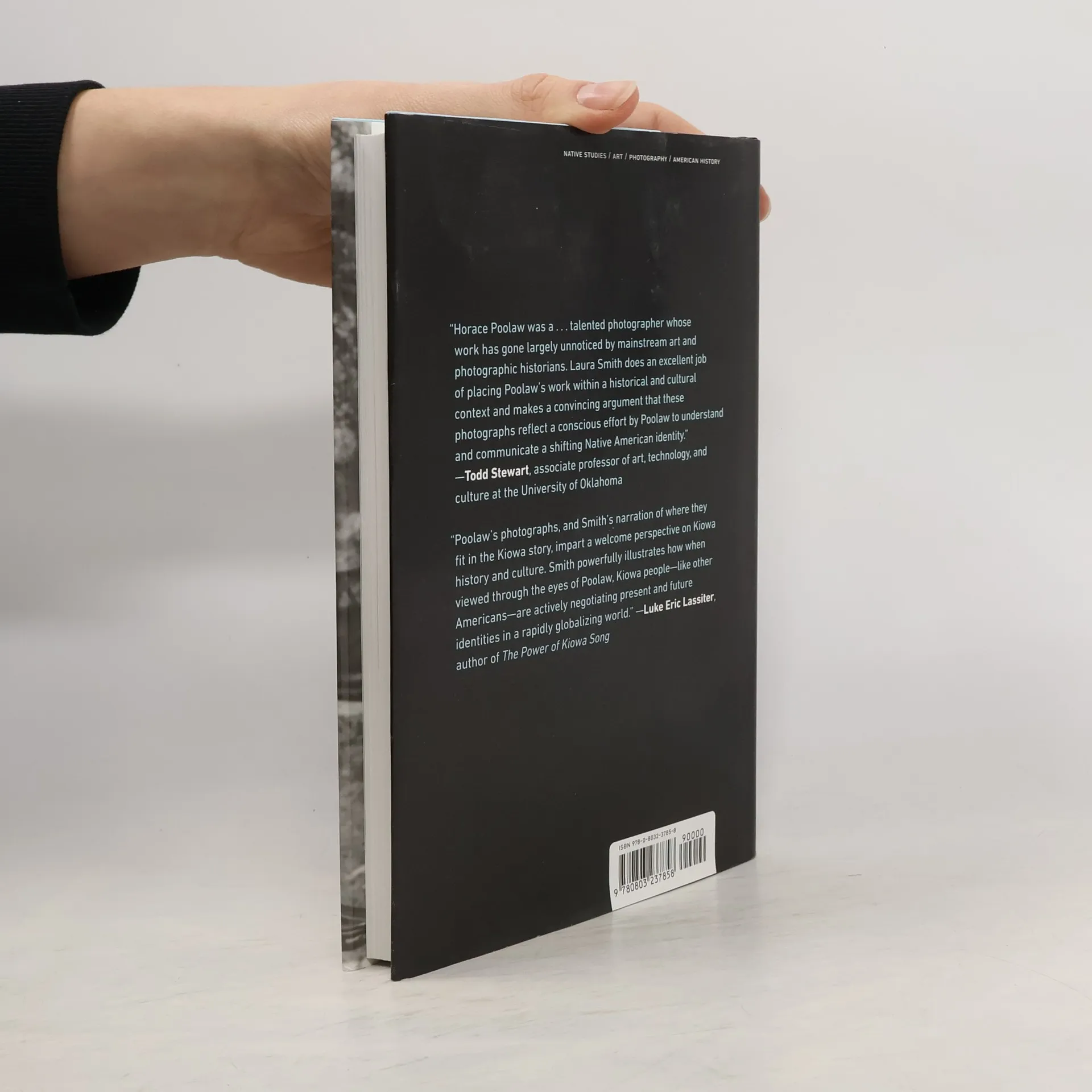
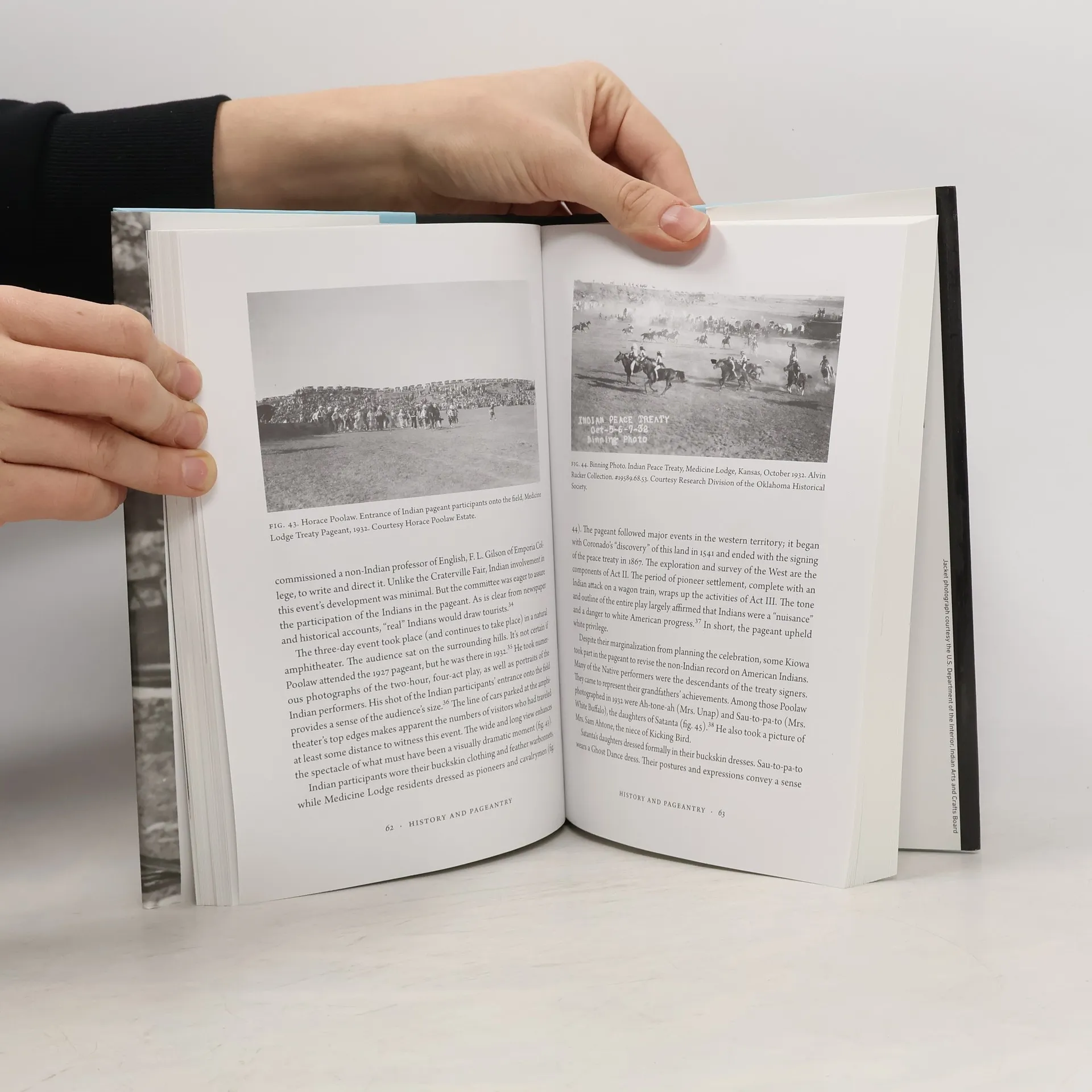
Laura E. Smith explores the life of Horace Poolaw (1906–84), a pioneering Native American photographer from the Kiowa reservation in Anadarko, Oklahoma. Poolaw purchased his first camera at fifteen, capturing images of family, friends, and prominent Kiowa leaders, as well as documenting powwows and community events over the years. While he earned some income from photography, he also farmed and worked various jobs to support his passion for documenting his community. Smith delves into the cultural and artistic significance of Poolaw’s work from 1925 to 1945, analyzing it in relation to European and modernist photography discourses, Native American identity, and activism. Instead of framing Poolaw's photography within narratives of Native peoples' extinction or purely modernist artistic discourse, Smith situates it within both art history and Native American history, challenging the notion of “fine artist” in the context of Native creativity. This exploration of art and cultural history sheds light on Poolaw's contributions as a gifted artist and documentarian, prompting readers to reconsider the connection between creative arts and everyday life through his lifelong commitment to art and community.
Een boek kopen
Horace Poolaw, Photographer of American Indian Modernity, Horace Poolaw, Laura E. Smith, Linda Poolaw
- Taal

- Jaar van publicatie
- 2016
- Bindwijze
- (Hardcover)
Betaalmethoden
We missen je recensie hier.
- Titel
- Horace Poolaw, Photographer of American Indian Modernity
- Taal
- Engels
- Auteurs
- Horace Poolaw, Laura E. Smith, Linda Poolaw
- Uitgever
- University of Nebraska Press
- Jaar van publicatie
- 2016
- Formaat
- Hardcover
- Aantal pagina's
- 232
- ISBN10
- 0803237855
- ISBN13
- 9780803237858
- Reeks
- Categorieën
- Tags
- Religieuze onderwerpen, Kunst, Verenigde Staten, 20e Eeuw, Amerikaanse Literatuur, Kunstgeschiedenis, Geschiedenis van de VS, Indianen, Inheemse stammen, Fotografen, Oklahoma
- Beoordeling
- 5 van 5
- Aantekening
- Laura E. Smith explores the life of Horace Poolaw (1906–84), a pioneering Native American photographer from the Kiowa reservation in Anadarko, Oklahoma. Poolaw purchased his first camera at fifteen, capturing images of family, friends, and prominent Kiowa leaders, as well as documenting powwows and community events over the years. While he earned some income from photography, he also farmed and worked various jobs to support his passion for documenting his community. Smith delves into the cultural and artistic significance of Poolaw’s work from 1925 to 1945, analyzing it in relation to European and modernist photography discourses, Native American identity, and activism. Instead of framing Poolaw's photography within narratives of Native peoples' extinction or purely modernist artistic discourse, Smith situates it within both art history and Native American history, challenging the notion of “fine artist” in the context of Native creativity. This exploration of art and cultural history sheds light on Poolaw's contributions as a gifted artist and documentarian, prompting readers to reconsider the connection between creative arts and everyday life through his lifelong commitment to art and community.