

Parameters
- 294bladzijden
- 11 uur lezen
Meer over het boek
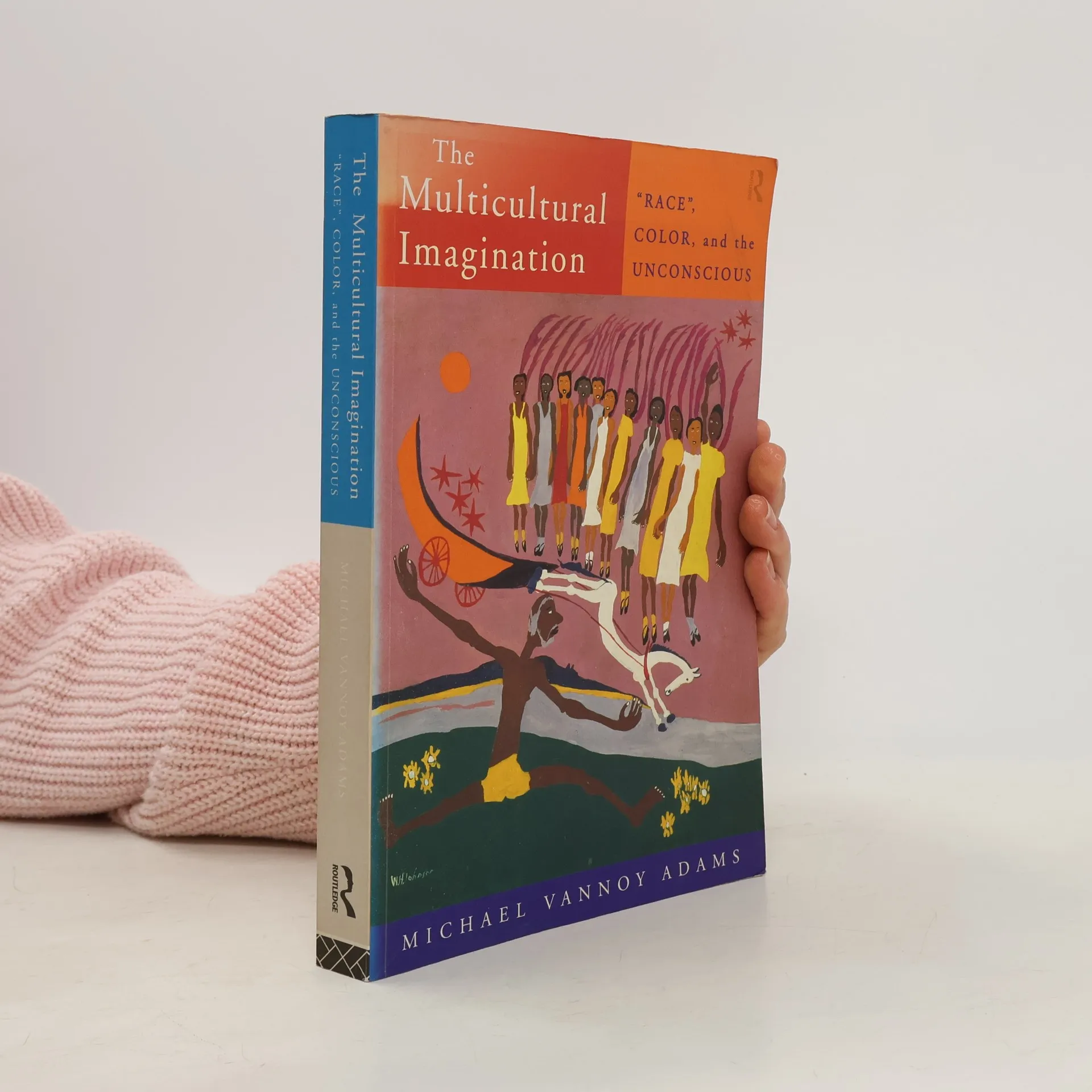
The Multicultural Imagination is a challenging inquiry into the complex interrelationship between our ideas about race and color and the unconscious. Michael Vannoy Adams takes a fresh look at the contributions of psychoanalysis to a question which affects every individual who tries to establish an effective personal identity in the context of their received 'racial' identity. Adams argues that 'race' is just as important as sex or any other content of the unconcscious, drawing on clinical case materal from contemporary patients for whom 'race' or color is a vitally significant social and political concern that impacts on them personally. He does not assume that racism or 'colorism' will simply vanish if we psychoanalyse them, but shows how a non-defensive ego and a self-image that is receptive to other-images can move us towards a more productive discourse of cultural differences. Wide-ranging in its references and scope, this is a book that provokes the reader - analyst or not - to confront personally those unconscious attitudes which stand in the way of authentic multicultural relationships.
Een boek kopen
The Multicultural Imagination, Michael Vannoy Adams
- Taal

- Jaar van publicatie
- 1996
- Bindwijze
- (Paperback)
Betaalmethoden
We missen je recensie hier.
- Titel
- The Multicultural Imagination
- Ondertitel
- "Race", Color, and the Unconscious
- Taal
- Engels
- Auteurs
- Michael Vannoy Adams
- Uitgever
- Routledge
- Jaar van publicatie
- 1996
- Formaat
- Paperback
- Aantal pagina's
- 294
- ISBN10
- 0415138388
- ISBN13
- 9780415138383
- Reeks
- Categorieën
- Tags
- Handleidingen en Gidsen, Verenigde Staten, Geneeskunde, Wetenschappelijke literatuur, Samenleving, Geestelijke Gezondheid, Creativiteit, Psychotherapie, Ras, Racisme, Psychoanalyse, Afro-Amerikaanse Literatuur, Discriminatie, Etniciteit, Psychologische Aspecten, Witte Dame
- Beoordeling
- 3,7 van 5
- Aantekening
- The Multicultural Imagination is a challenging inquiry into the complex interrelationship between our ideas about race and color and the unconscious. Michael Vannoy Adams takes a fresh look at the contributions of psychoanalysis to a question which affects every individual who tries to establish an effective personal identity in the context of their received 'racial' identity. Adams argues that 'race' is just as important as sex or any other content of the unconcscious, drawing on clinical case materal from contemporary patients for whom 'race' or color is a vitally significant social and political concern that impacts on them personally. He does not assume that racism or 'colorism' will simply vanish if we psychoanalyse them, but shows how a non-defensive ego and a self-image that is receptive to other-images can move us towards a more productive discourse of cultural differences. Wide-ranging in its references and scope, this is a book that provokes the reader - analyst or not - to confront personally those unconscious attitudes which stand in the way of authentic multicultural relationships.