



Parameters
- 288bladzijden
- 11 uur lezen
Meer over het boek
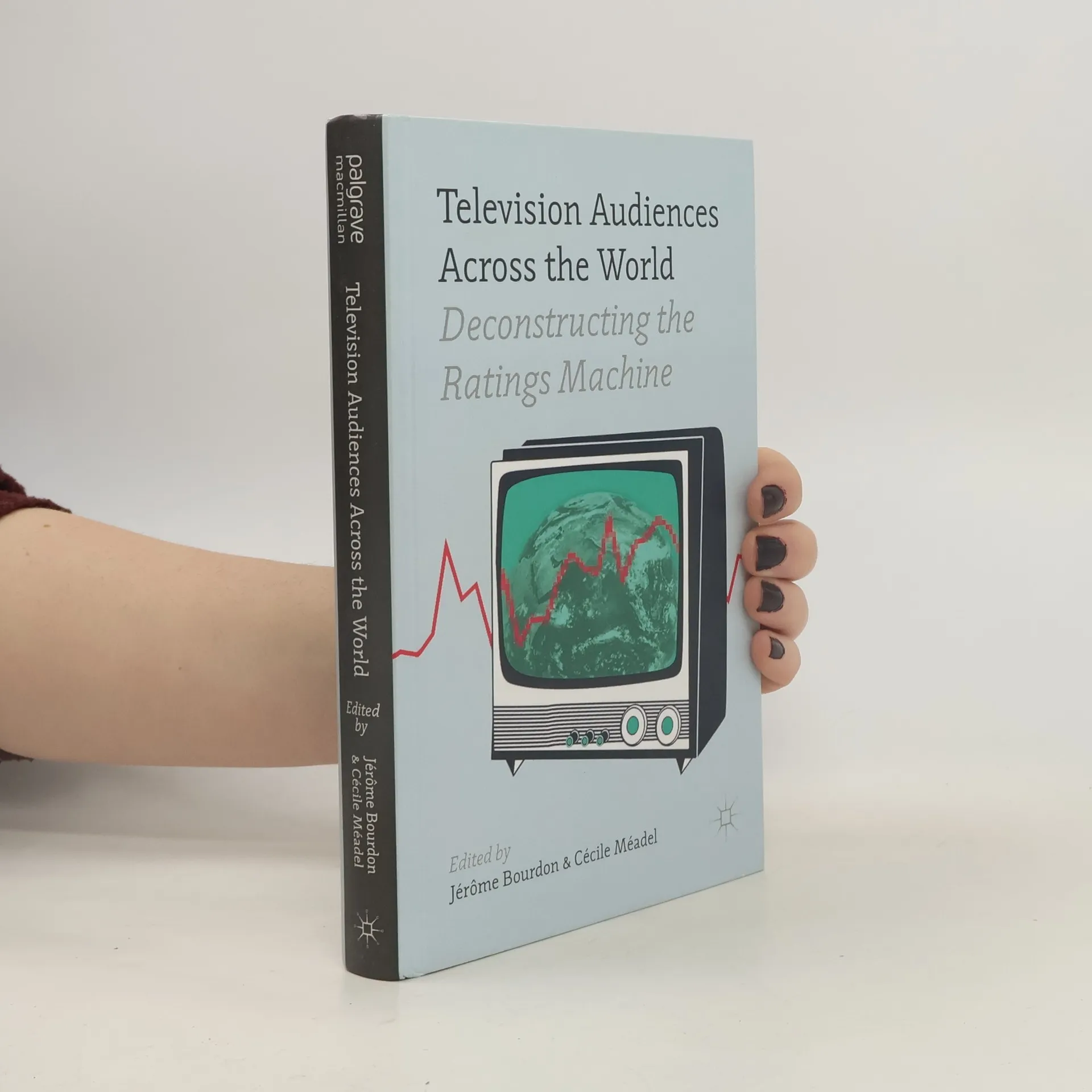
This book is the first to explore the composition of television ratings in a cross-cultural, comparative manner. Using both communication history and the sociology of quantification, Television Audiences Across the World illuminates why the whole television industry, and television audiences themselves, refer to ratings as the main way to represent the television-watching public. It shows how a specific technology, the peoplemeter, has become the 'state of the art' in very different cultural contexts, including major non-Western countries. It analyses how television audience measurement succeeds in homogenizing diverse ways of watching television among different populations, creating 'apparent nations', and at times ignoring entire regions or parts of the population. The chapters in this volume discuss why television audience measurement has become the dominant model for the evaluation of popularity in the post-modern world, the true 'voice of the masses', still powerful in supposedly fragmented societies.
Een boek kopen
Television Audiences Across the World, Jérôme Bourdon, Cécile Méadel
- Taal

- Jaar van publicatie
- 2014
- Bindwijze
- (Hardcover)
Betaalmethoden
Nog niemand heeft beoordeeld.
- Titel
- Television Audiences Across the World
- Ondertitel
- Deconstructing the Ratings Machine
- Taal
- Engels
- Auteurs
- Jérôme Bourdon, Cécile Méadel
- Uitgever
- Palgrave Macmillan
- Jaar van publicatie
- 2014
- Formaat
- Hardcover
- Aantal pagina's
- 288
- ISBN10
- 1137345098
- ISBN13
- 9781137345097
- Reeks
- Categorieën
- Tags
- Historisch thema, Kunst, Politiek, Technologie, Filmthema, Cultuur en Samenleving, Politieke theorieën, Communicatie, Cultuur, Culturele Geschiedenis, Media en communicatie, Televisie, Populaire cultuur, Podiumkunsten, Sociale Geschiedenis, Burgerlijk recht
- Aantekening
- This book is the first to explore the composition of television ratings in a cross-cultural, comparative manner. Using both communication history and the sociology of quantification, Television Audiences Across the World illuminates why the whole television industry, and television audiences themselves, refer to ratings as the main way to represent the television-watching public. It shows how a specific technology, the peoplemeter, has become the 'state of the art' in very different cultural contexts, including major non-Western countries. It analyses how television audience measurement succeeds in homogenizing diverse ways of watching television among different populations, creating 'apparent nations', and at times ignoring entire regions or parts of the population. The chapters in this volume discuss why television audience measurement has become the dominant model for the evaluation of popularity in the post-modern world, the true 'voice of the masses', still powerful in supposedly fragmented societies.