


Parameters
Meer over het boek
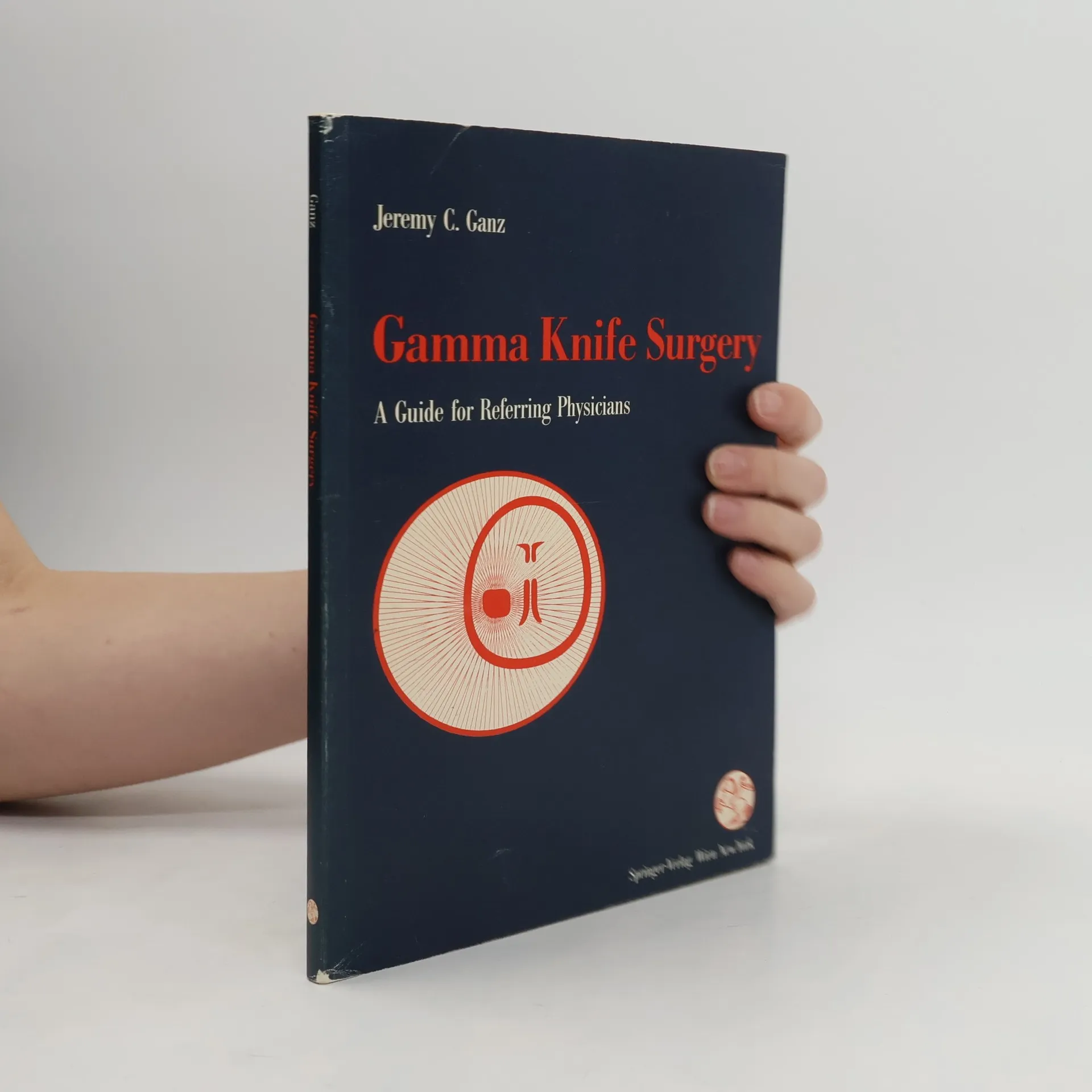
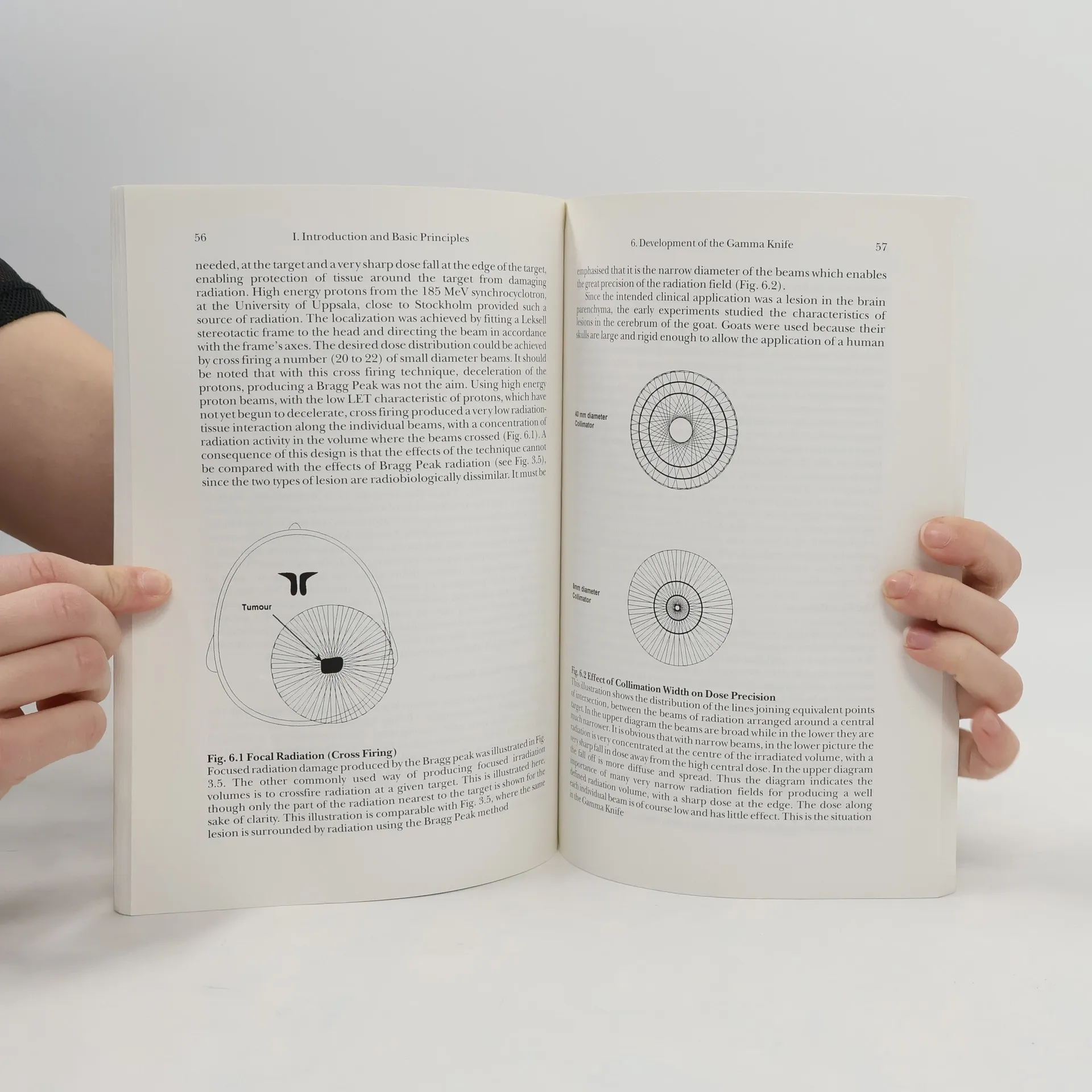
Radiosurgery has become an established technique, with more than 15000 patients treated world-wide, most of them in the last five years. Yet, there is much uncertainty in the general medical community as to the nature, advantages and limitations of the method. This uncertainty provokes unnecessary debate between colleagues and is a source of avoidable stress to patients. This book provides an account of the scientific basis of radiosurgery and describes its current applications in respect of the only well established radiosurgical device, the Leksell Gamma Knife. The book assumes the general medical knowledge of a newly qualified medical practitioner. There are three sections. The first outlines the rationale for radiosurgery and the principles of stereotaxy, radiophysics and radiobiology. The middle section, consisting of a single chapter, describes what a potential patient may expect to experience. In the final section, the current applications are gone through, one by one, indicating what can and what cannot be achieved. The book is intended for neurologists, neurosurgeons, internists, otolaryngologists, oncologists, ophthalmologists, general practitioners, medical students and anyone else who might wish to refer a patient to or advise a patient about Gamma Knife radiosurgery.
Een boek kopen
Gamma Knife Surgery, Jeremy C. Ganz
- Taal

- Jaar van publicatie
- 1994
- Bindwijze
- (Paperback)
Betaalmethoden
Nog niemand heeft beoordeeld.
- Titel
- Gamma Knife Surgery
- Ondertitel
- A Guide for Referring Physicians
- Taal
- Engels
- Auteurs
- Jeremy C. Ganz
- Uitgever
- Springer
- Jaar van publicatie
- 1994
- Formaat
- Paperback
- ISBN10
- 3211824766
- ISBN13
- 9783211824764
- Reeks
- Categorieën
- Aantekening
- Radiosurgery has become an established technique, with more than 15000 patients treated world-wide, most of them in the last five years. Yet, there is much uncertainty in the general medical community as to the nature, advantages and limitations of the method. This uncertainty provokes unnecessary debate between colleagues and is a source of avoidable stress to patients. This book provides an account of the scientific basis of radiosurgery and describes its current applications in respect of the only well established radiosurgical device, the Leksell Gamma Knife. The book assumes the general medical knowledge of a newly qualified medical practitioner. There are three sections. The first outlines the rationale for radiosurgery and the principles of stereotaxy, radiophysics and radiobiology. The middle section, consisting of a single chapter, describes what a potential patient may expect to experience. In the final section, the current applications are gone through, one by one, indicating what can and what cannot be achieved. The book is intended for neurologists, neurosurgeons, internists, otolaryngologists, oncologists, ophthalmologists, general practitioners, medical students and anyone else who might wish to refer a patient to or advise a patient about Gamma Knife radiosurgery.