



Meer over het boek
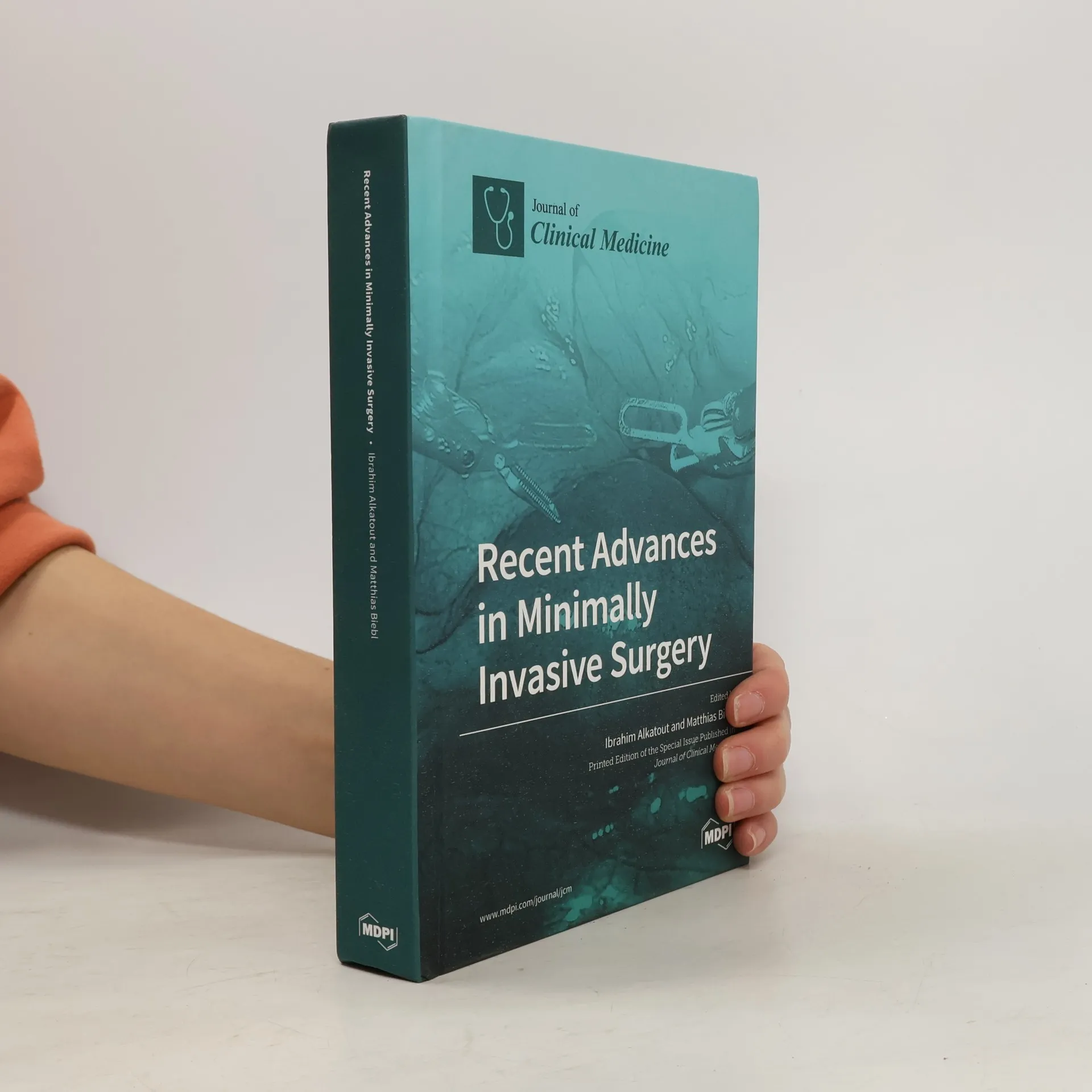
Minimally invasive surgery has become integral to visceral and gynecologic surgery, evolving into a recognized specialty over the past two decades. It is now a standard component of surgical options across all subspecialties, rather than a distinct skillset. The benefits of a minimally invasive approach include reduced intraoperative blood loss, less postoperative pain, shorter rehabilitation times, and a significant decrease in overall and surgical postoperative morbidity. These advantages are crucial in modern oncologic treatment, as they mitigate the immediate impact of surgery on patients and play a vital role in minimizing surgical side effects. Consequently, surgery has become a key element in contemporary multi-disciplinary cancer treatment, integrating seamlessly with various treatment modalities and enhancing the options available to cancer patients. In this rapidly evolving landscape, the need to master both open and minimally invasive techniques profoundly influences modern surgical training pathways. The incorporation of advanced e-learning tools and practical surgical training methods into surgical education supports the ongoing development of gynecologic and visceral surgery specialists throughout their careers.
Een boek kopen
Journal of Clinical Medicine: Recent Advances in Minimally Invasive Surgery, Ibrahim Alkatout, Matthias Biebl
- Taal

- Jaar van publicatie
- 2021
- Bindwijze
- (Hardcover)
Betaalmethoden
Nog niemand heeft beoordeeld.
- Titel
- Journal of Clinical Medicine: Recent Advances in Minimally Invasive Surgery
- Taal
- Engels
- Auteurs
- Ibrahim Alkatout, Matthias Biebl
- Uitgever
- MDPI AG
- Jaar van publicatie
- 2021
- Formaat
- Hardcover
- Aantal pagina's
- 414
- ISBN10
- 3036520996
- ISBN13
- 9783036520995
- Reeks
- Categorieën
- Aantekening
- Minimally invasive surgery has become integral to visceral and gynecologic surgery, evolving into a recognized specialty over the past two decades. It is now a standard component of surgical options across all subspecialties, rather than a distinct skillset. The benefits of a minimally invasive approach include reduced intraoperative blood loss, less postoperative pain, shorter rehabilitation times, and a significant decrease in overall and surgical postoperative morbidity. These advantages are crucial in modern oncologic treatment, as they mitigate the immediate impact of surgery on patients and play a vital role in minimizing surgical side effects. Consequently, surgery has become a key element in contemporary multi-disciplinary cancer treatment, integrating seamlessly with various treatment modalities and enhancing the options available to cancer patients. In this rapidly evolving landscape, the need to master both open and minimally invasive techniques profoundly influences modern surgical training pathways. The incorporation of advanced e-learning tools and practical surgical training methods into surgical education supports the ongoing development of gynecologic and visceral surgery specialists throughout their careers.