


Parameters
- 230bladzijden
- 9 uur lezen
Meer over het boek
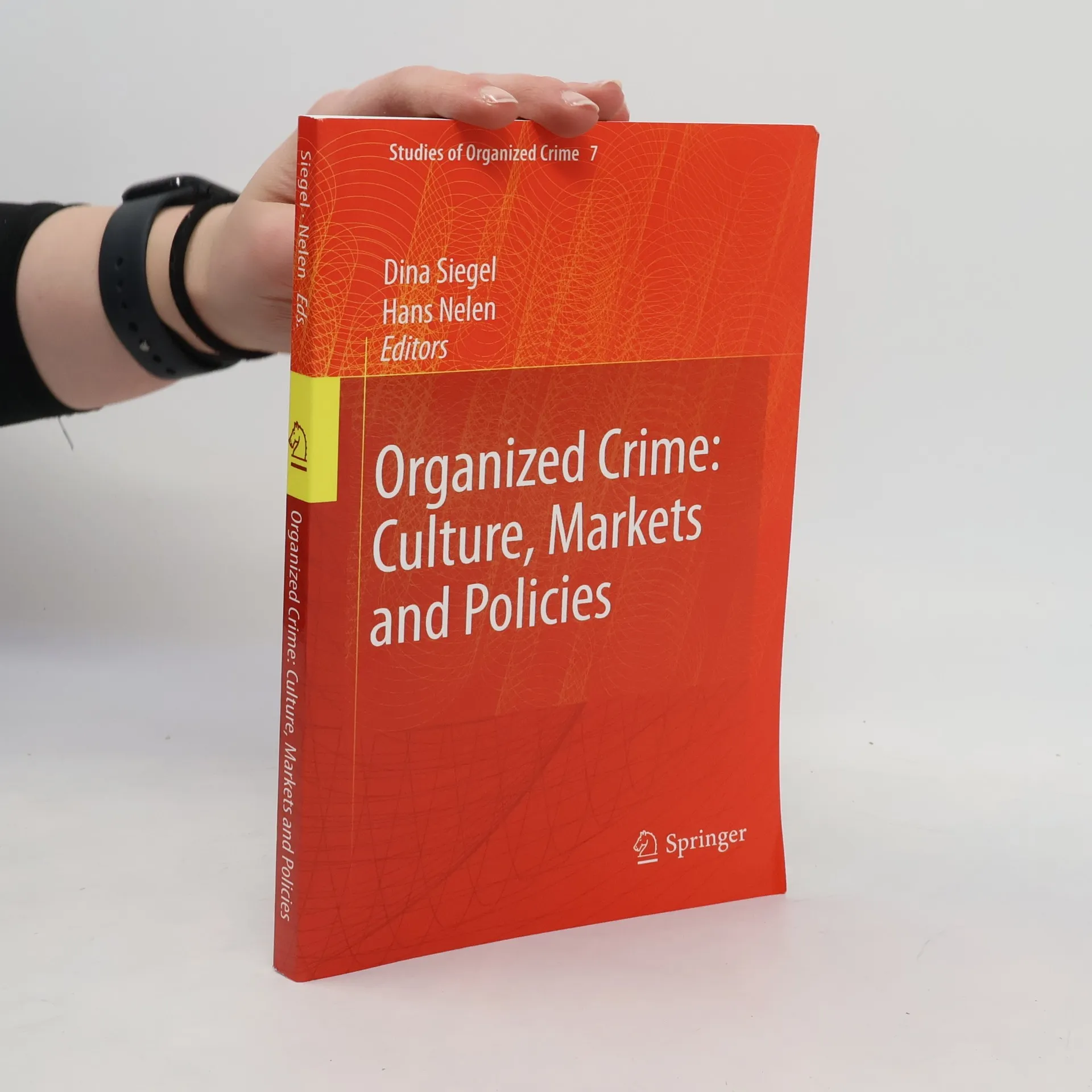
Dina Siegel and Hans Nelen explore the concept of ‘global organized crime,’ a term prevalent in criminology since the mid-1990s. This term, broader than its related concepts like transnational organized crime, encompasses criminal activities across the globe, suggesting a pervasive presence in all geographical areas. It also connects to globalization, with both terms reflecting a significant social construct in academic discourse. A key focus of the authors is the symbolic and practical implications of these concepts, raising critical questions for criminologists about how to study globalization and global organized crime effectively. They examine the tools and theoretical frameworks available for conducting research in this complex field. Rather than providing straightforward answers, the book aims to present an overview of contemporary criminological research that integrates international, national, and local dimensions of organized crime issues. Notably, the authors advocate for a departure from vague and abstract terminology, suggesting that criminology should adopt clearer language, similar to trends in other social sciences like anthropology. This approach seeks to enhance understanding and clarity in the study of organized crime.
Een boek kopen
Organized Crime: Culture, Markets and Policies, Dina Siegel, Hans Nelen
- Taal

- Jaar van publicatie
- 2008
- Bindwijze
- (Paperback)
Betaalmethoden
We missen je recensie hier.
- Titel
- Organized Crime: Culture, Markets and Policies
- Taal
- Engels
- Auteurs
- Dina Siegel, Hans Nelen
- Uitgever
- Springer, Berlin
- Jaar van publicatie
- 2008
- Formaat
- Paperback
- Aantal pagina's
- 230
- ISBN10
- 0387097104
- ISBN13
- 9780387097107
- Reeks
- Categorieën
- Tags
- Handel, Juridische thematiek, Samenleving, Politieke theorieën, Geweld, Drugs, Duitse Geschiedenis, Criminaliteit, Maffia, Logica, Strafrecht, Georganiseerde misdaad, RAF - Koninklijke Luchtmacht van het Verenigd Koninkrijk, Criminologie
- Beoordeling
- 2 van 5
- Aantekening
- Dina Siegel and Hans Nelen explore the concept of ‘global organized crime,’ a term prevalent in criminology since the mid-1990s. This term, broader than its related concepts like transnational organized crime, encompasses criminal activities across the globe, suggesting a pervasive presence in all geographical areas. It also connects to globalization, with both terms reflecting a significant social construct in academic discourse. A key focus of the authors is the symbolic and practical implications of these concepts, raising critical questions for criminologists about how to study globalization and global organized crime effectively. They examine the tools and theoretical frameworks available for conducting research in this complex field. Rather than providing straightforward answers, the book aims to present an overview of contemporary criminological research that integrates international, national, and local dimensions of organized crime issues. Notably, the authors advocate for a departure from vague and abstract terminology, suggesting that criminology should adopt clearer language, similar to trends in other social sciences like anthropology. This approach seeks to enhance understanding and clarity in the study of organized crime.