


Parameters
- 192bladzijden
- 7 uur lezen
Meer over het boek
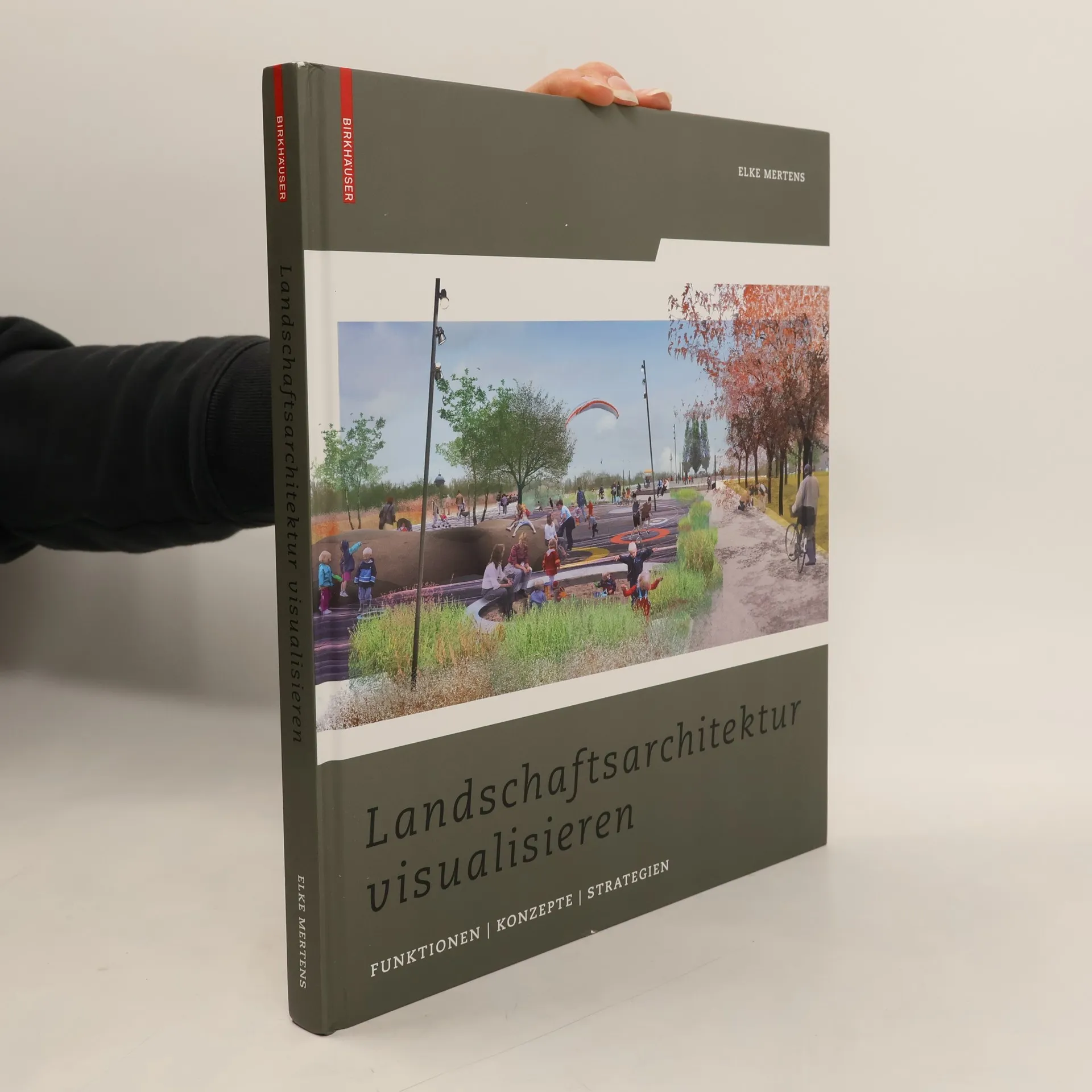
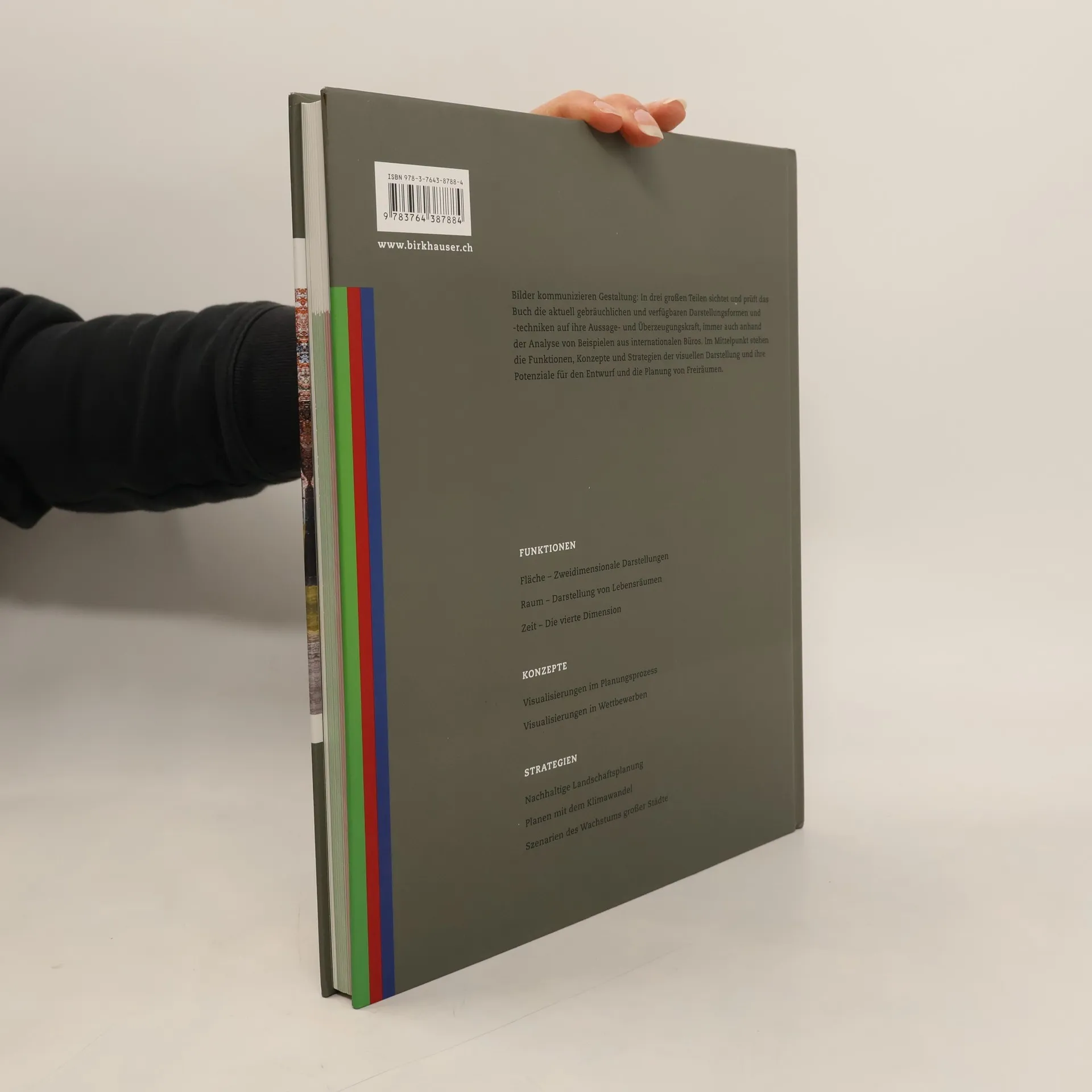
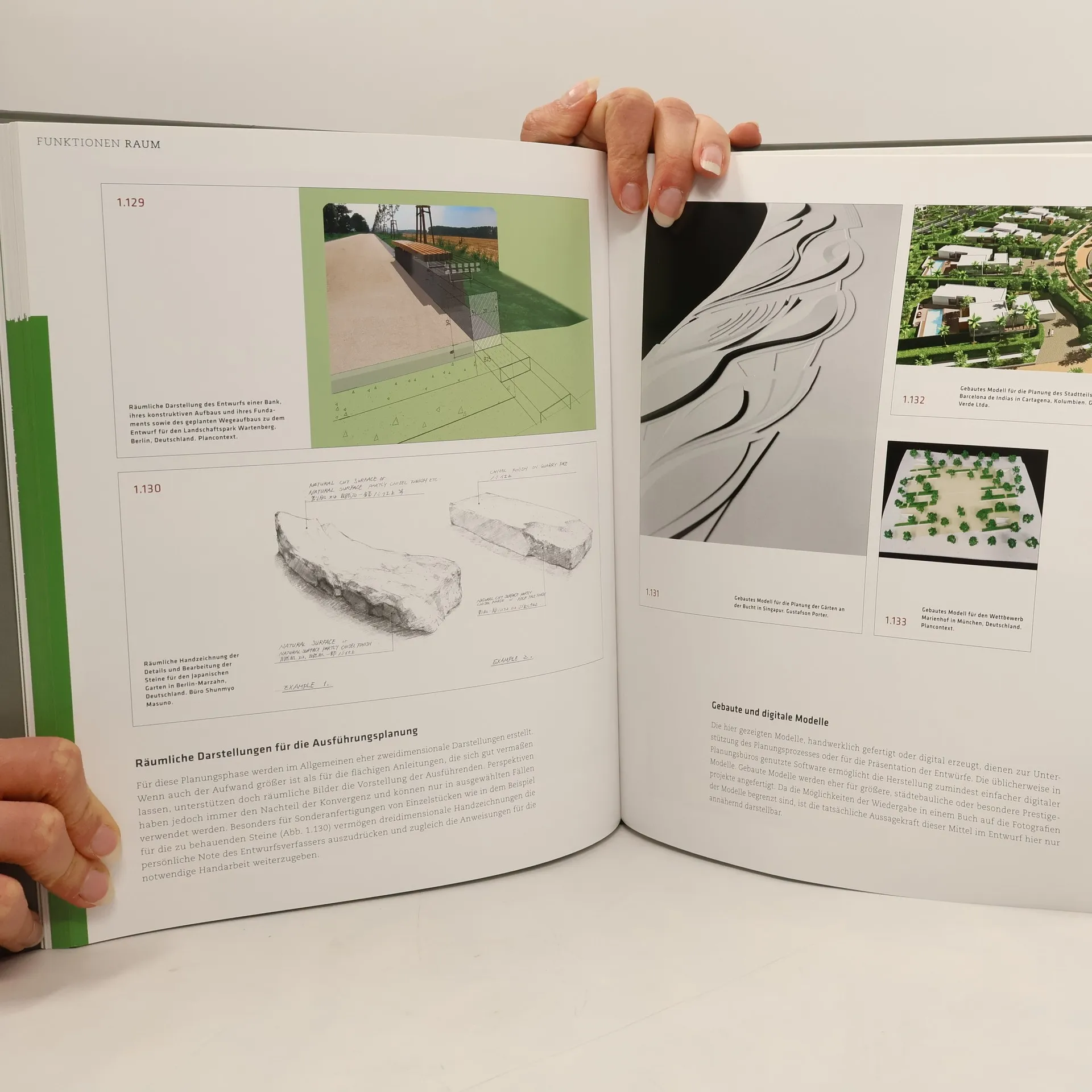
"We don't sell gardens; we sell images of gardens." This insight from a landscape architect highlights the necessity of effectively communicating design ideas to the community and stakeholders. Various tools such as drawings, models, simulations, and films not only present proposed solutions but also reflect the designer's perspective on nature and the environment. With a wide range of representation techniques available, including both digital and traditional methods, the field is characterized by strong competition and diverse visual expressions. This book is divided into three main sections that explore contemporary techniques, assessing their informative and persuasive qualities through examples from international firms. It begins with an overview of the evolution of visual representation, followed by a systematic exploration of two, three, and four-dimensional modes—covering representations in planes, spaces, and over time. The second section outlines the progression from initial sketches to concept development and implementation. The final section focuses on the strategic application of visualizations in competitions, future scenarios, and large-scale landscape planning, emphasizing modern methods and forms of representation in landscape architecture rather than basic techniques.
Een boek kopen
Landschaftsarchitektur visualisieren, Elke Mertens
- Taal

- Jaar van publicatie
- 2009
- Bindwijze
- (Hardcover)
Betaalmethoden
Nog niemand heeft beoordeeld.
- Titel
- Landschaftsarchitektur visualisieren
- Ondertitel
- Funktionen, Konzepte, Strategien
- Taal
- Duits
- Auteurs
- Elke Mertens
- Uitgever
- Birkhäuser
- Jaar van publicatie
- 2009
- Formaat
- Hardcover
- Aantal pagina's
- 192
- ISBN10
- 3764387882
- ISBN13
- 9783764387884
- Reeks
- Categorieën
- Tags
- Kunst, Architectuur, Ecologische thematiek, Tuin, Grafisch Ontwerp, Landschap, Planning, Tuinarchitectuur, Kantoor, Visualisatie
- Aantekening
- "We don't sell gardens; we sell images of gardens." This insight from a landscape architect highlights the necessity of effectively communicating design ideas to the community and stakeholders. Various tools such as drawings, models, simulations, and films not only present proposed solutions but also reflect the designer's perspective on nature and the environment. With a wide range of representation techniques available, including both digital and traditional methods, the field is characterized by strong competition and diverse visual expressions. This book is divided into three main sections that explore contemporary techniques, assessing their informative and persuasive qualities through examples from international firms. It begins with an overview of the evolution of visual representation, followed by a systematic exploration of two, three, and four-dimensional modes—covering representations in planes, spaces, and over time. The second section outlines the progression from initial sketches to concept development and implementation. The final section focuses on the strategic application of visualizations in competitions, future scenarios, and large-scale landscape planning, emphasizing modern methods and forms of representation in landscape architecture rather than basic techniques.