


Parameters
- 160bladzijden
- 6 uur lezen
Meer over het boek
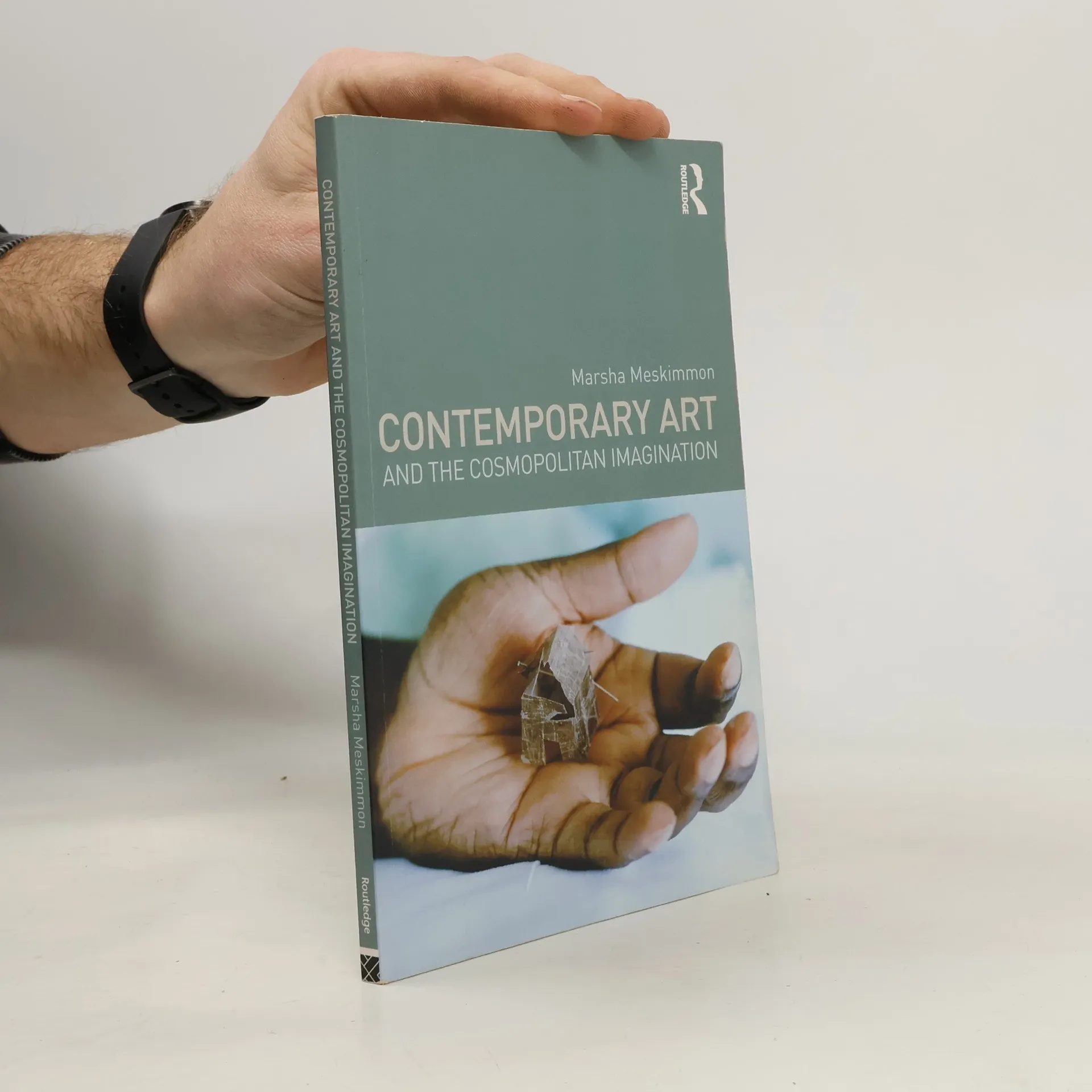
This exploration delves into the role of art in reshaping our political, ethical, and social landscapes. Meskimmon posits that art transcends mere reflection of transnational and transcultural exchanges inherent in the global economy; it actively alters our perceptions and interactions with diverse cultures. Art fosters a critical dialogue among cosmopolitan imagination, embodied ethics, and locational identity, essential for cultivating a global sense of ethical and political responsibility. By materializing concepts beyond individualism, art facilitates encounters with difference, inspires change, and opens pathways to new possibilities. The inquiry centers on what it means to navigate a globalized world and how we can become cosmopolitans, feeling 'at home' everywhere. The text is structured around four 'architectonic figurations'—foundation, threshold, passage, and landing—drawing parallels between the built environment and transformative knowledge systems. This work charts a bold new course in the discourse surrounding cosmopolitanism, globalization, and art, challenging readers to rethink their understanding of these interconnected themes.
Een boek kopen
Contemporary Art and the Cosmopolitan Imagination, Marsha Meskimmon
- Taal

- Jaar van publicatie
- 2010
- Bindwijze
- (Paperback)
Betaalmethoden
We missen je recensie hier.
- Titel
- Contemporary Art and the Cosmopolitan Imagination
- Taal
- Engels
- Auteurs
- Marsha Meskimmon
- Uitgever
- Routledge
- Jaar van publicatie
- 2010
- Formaat
- Paperback
- Aantal pagina's
- 160
- ISBN10
- 0415469201
- ISBN13
- 9780415469203
- Reeks
- Categorieën
- Tags
- Historisch thema, Kunst, 20e Eeuw, Wetenschappelijke literatuur, Kunstgeschiedenis, 21e Eeuw, Media en communicatie, Moderne Kunst, Humanities
- Beoordeling
- 4,1 van 5
- Aantekening
- This exploration delves into the role of art in reshaping our political, ethical, and social landscapes. Meskimmon posits that art transcends mere reflection of transnational and transcultural exchanges inherent in the global economy; it actively alters our perceptions and interactions with diverse cultures. Art fosters a critical dialogue among cosmopolitan imagination, embodied ethics, and locational identity, essential for cultivating a global sense of ethical and political responsibility. By materializing concepts beyond individualism, art facilitates encounters with difference, inspires change, and opens pathways to new possibilities. The inquiry centers on what it means to navigate a globalized world and how we can become cosmopolitans, feeling 'at home' everywhere. The text is structured around four 'architectonic figurations'—foundation, threshold, passage, and landing—drawing parallels between the built environment and transformative knowledge systems. This work charts a bold new course in the discourse surrounding cosmopolitanism, globalization, and art, challenging readers to rethink their understanding of these interconnected themes.