

Meer over het boek
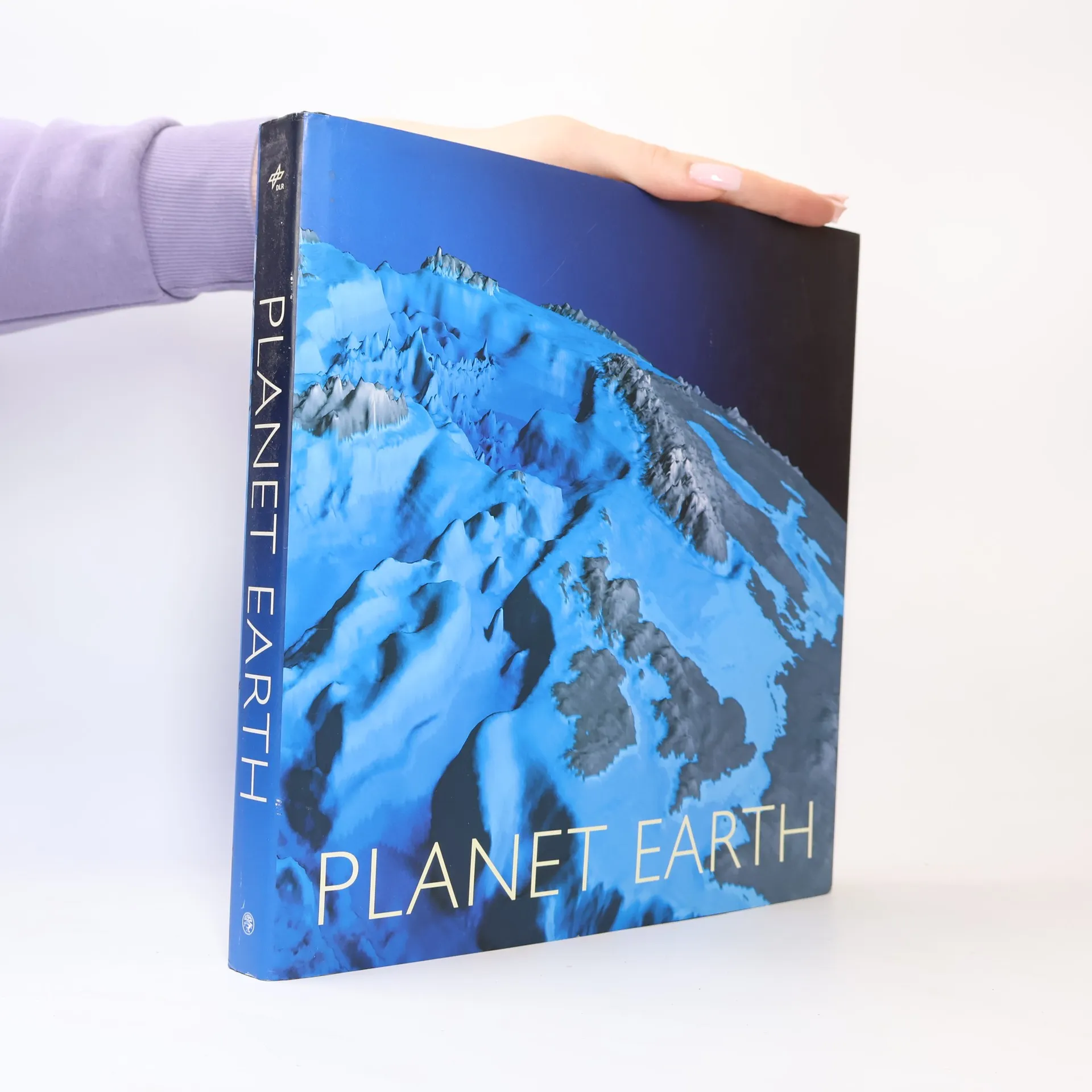
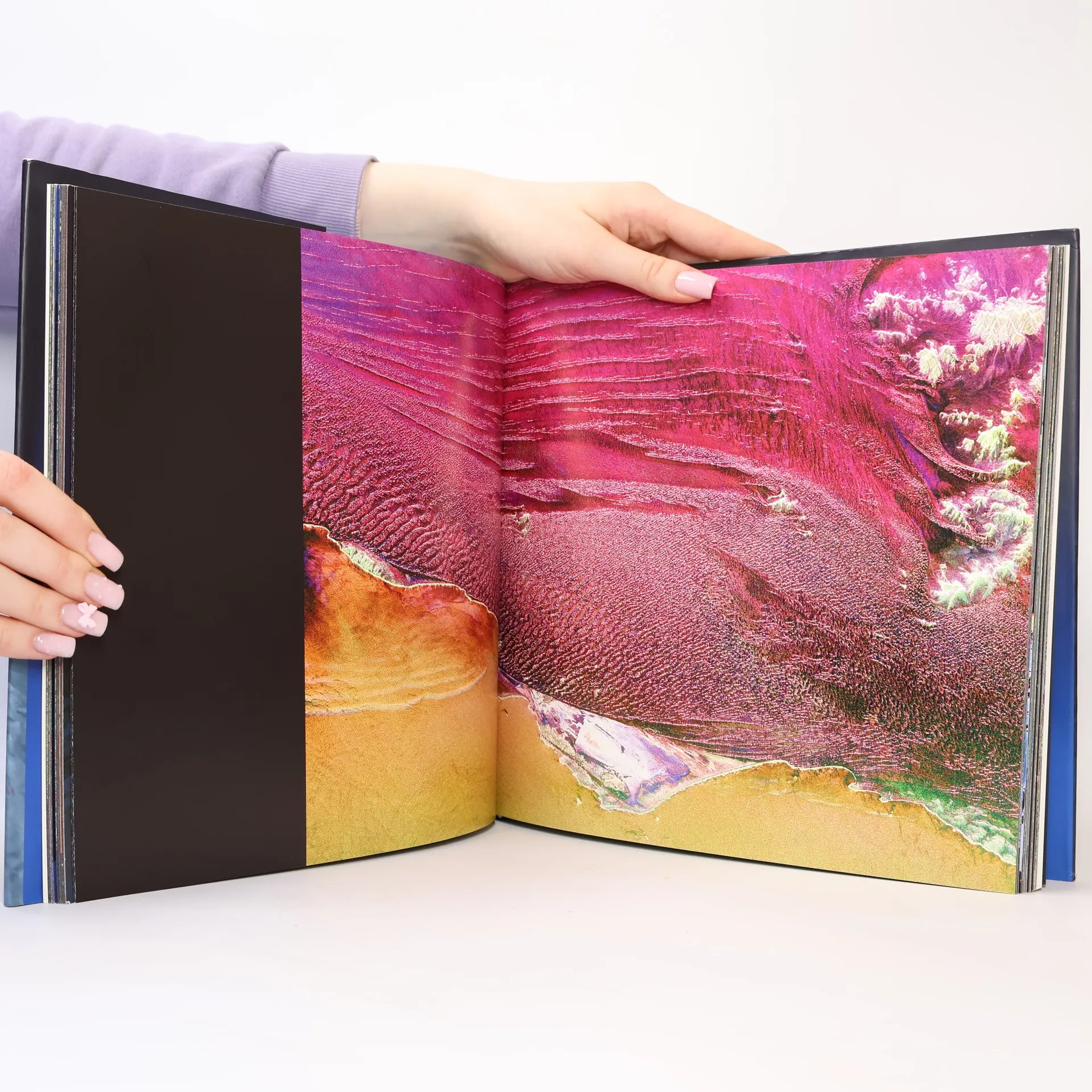
Once we used to watch space from Earth; now we observe our planet from space. It has been half a century since the first satellites transmitted their data, allowing us to view our ecosphere from a unique perspective. This vantage point enables us to document the transformation of our habitat—such as drying river estuaries, disappearing islands, and melting polar icecaps—revealing Earth as a single, breathing entity. The collection of stunning satellite imagery has been compiled by the German Space Centre in collaboration with global partners, including NASA. These images, captured by machines rather than astronauts, are processed through computers to unveil details often invisible to the naked eye, such as ocean floors and geological layers. Initially, the imagery presents an unfamiliar catalogue, filled with breathtaking yet unrecognizable visuals. As one reads the captions, the data becomes clearer, revealing evidence of civilizations like the Rock of Jerusalem, the Pyramids, and the Coliseum. This work serves as a logical sequel to a previous publication that chronicled a journey to the Moon and back to Earth. Unlike its predecessor, this collection is devoid of narrative, focusing solely on data and marking a significant return home.
Een boek kopen
Planet Earth, Robert Foreword Hughes, The German Space Centre
- Taal

- Jaar van publicatie
- 2002
- Bindwijze
- (Hardcover)
Betaalmethoden
We missen je recensie hier.
- Titel
- Planet Earth
- Taal
- Engels
- Uitgever
- Jonathan Cape
- Jaar van publicatie
- 2002
- Formaat
- Hardcover
- Aantal pagina's
- 244
- ISBN10
- 0224069160
- ISBN13
- 9780224069168
- Reeks
- Categorieën
- Beoordeling
- 4,25 van 5
- Aantekening
- Once we used to watch space from Earth; now we observe our planet from space. It has been half a century since the first satellites transmitted their data, allowing us to view our ecosphere from a unique perspective. This vantage point enables us to document the transformation of our habitat—such as drying river estuaries, disappearing islands, and melting polar icecaps—revealing Earth as a single, breathing entity. The collection of stunning satellite imagery has been compiled by the German Space Centre in collaboration with global partners, including NASA. These images, captured by machines rather than astronauts, are processed through computers to unveil details often invisible to the naked eye, such as ocean floors and geological layers. Initially, the imagery presents an unfamiliar catalogue, filled with breathtaking yet unrecognizable visuals. As one reads the captions, the data becomes clearer, revealing evidence of civilizations like the Rock of Jerusalem, the Pyramids, and the Coliseum. This work serves as a logical sequel to a previous publication that chronicled a journey to the Moon and back to Earth. Unlike its predecessor, this collection is devoid of narrative, focusing solely on data and marking a significant return home.