

Uitverkocht
Parameters
- 456bladzijden
- 16 uur lezen
Meer over het boek
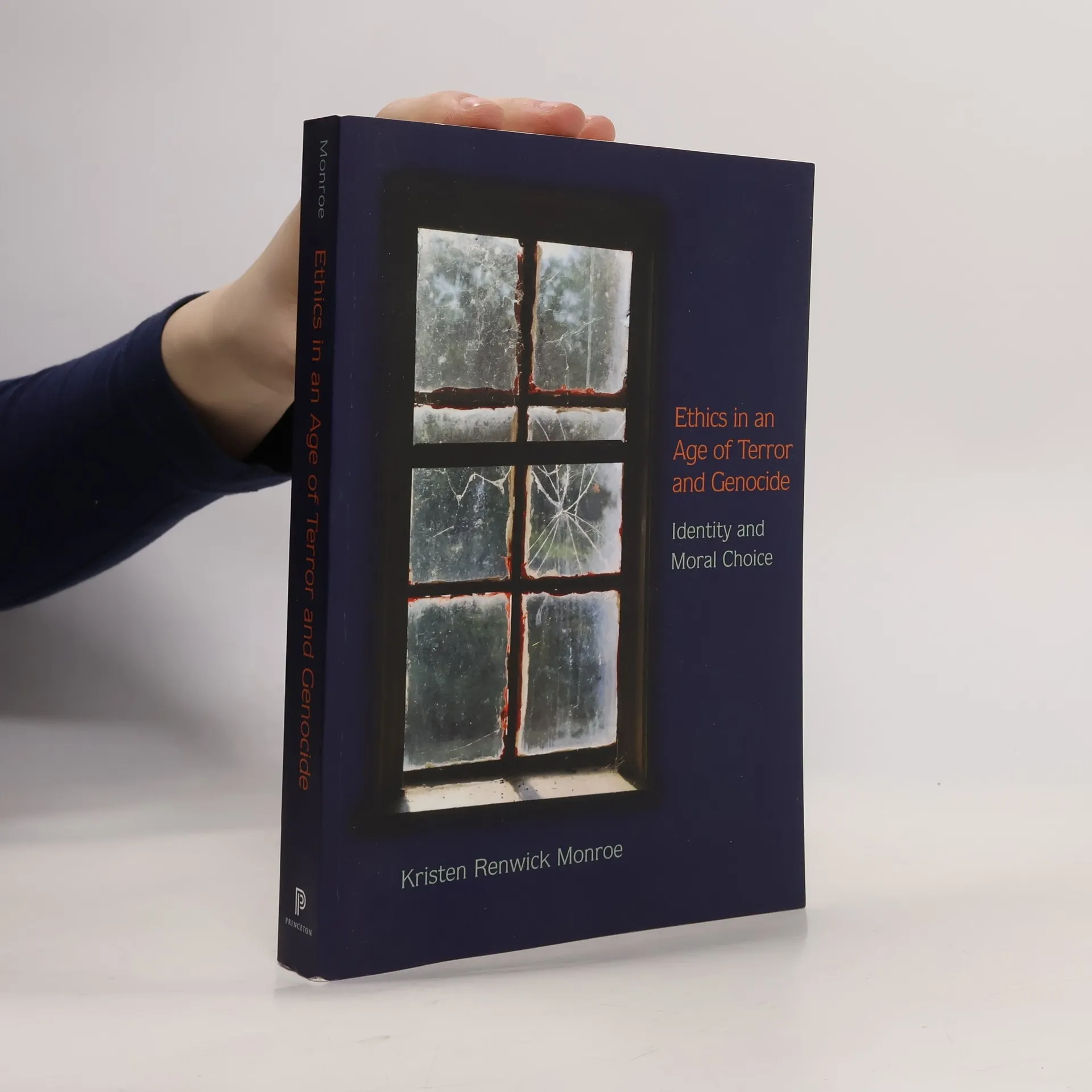
"What Causes Genocide?" explores the psychological forces behind moral choices during atrocities like the Holocaust. Through interviews with bystanders, supporters, and rescuers, Monroe examines how identity influences our perceptions of others, shaping our responses to persecution. She introduces "moral salience" and addresses the dehumanization necessary for genocide, offering insights applicable to various forms of prejudice and violence.
Een boek kopen
Ethics in an Age of Terror and Genocide, Kristen Renwick Monroe
- Taal

- Jaar van publicatie
- 2010
- Bindwijze
- (Paperback)
Zodra we het ontdekt hebben, sturen we een e-mail.
Betaalmethoden
We missen je recensie hier.
- Titel
- Ethics in an Age of Terror and Genocide
- Ondertitel
- Identity and Moral Choice
- Taal
- Engels
- Auteurs
- Kristen Renwick Monroe
- Uitgever
- Princeton University Press
- Jaar van publicatie
- 2010
- Formaat
- Paperback
- Aantal pagina's
- 456
- ISBN10
- 0691151431
- ISBN13
- 9780691151434
- Reeks
- Categorieën
- Tags
- Historisch thema, Psychologische thema’s, Religieuze onderwerpen, Filosofisch thema, Politiek, 20e Eeuw, Tweede Wereldoorlog, Europa, Joden, Politieke theorieën, Holocaust, Nazisme, Wetenschappelijke Theorien, Ras, Racisme, Eerste Wereldoorlog (1914–1918), Joodse Literatuur, Ethiek, Terroristen, Haat, Mensenrechten, Adolf Hitler, Moraal, Vervolging, Persecutie, Casestudy, Gedrag, Ethologie, Sociale Psychologie, Ideologie, Duitsers, Genocide, Gestapo, Redelijkheid, Russen, Politieke Ethiek, Altruïsme, Dehumanisatie
- Beoordeling
- 3,65 van 5
- Aantekening
- "What Causes Genocide?" explores the psychological forces behind moral choices during atrocities like the Holocaust. Through interviews with bystanders, supporters, and rescuers, Monroe examines how identity influences our perceptions of others, shaping our responses to persecution. She introduces "moral salience" and addresses the dehumanization necessary for genocide, offering insights applicable to various forms of prejudice and violence.