



Meer over het boek
Since the discovery of chemokines and of chemokine receptors it has become evident that expression of chemokines at the site of inflammation may regulate the composition of cellular infiltrate, thereby directing the type of immune response. Recently, the molecular characterization of inherited disorders of immune system, (e. g., Wiskott-Aldrich syndrome, WHIM syndrome, leukocyte adhesion deficiency), which are characterized by cytoskeleton/adhesion defects or by altered response of chemokine receptors has contributed to clarifying the key players of immune response in normal physiology and in disease. This book, which deals with the description of the role of chemokines in immune response and underlines potential targets of therapeutical intervention, offers a series of contributions of the most challenging aspects of lymphocyte migration in homeostasis and in disease.
Een boek kopen
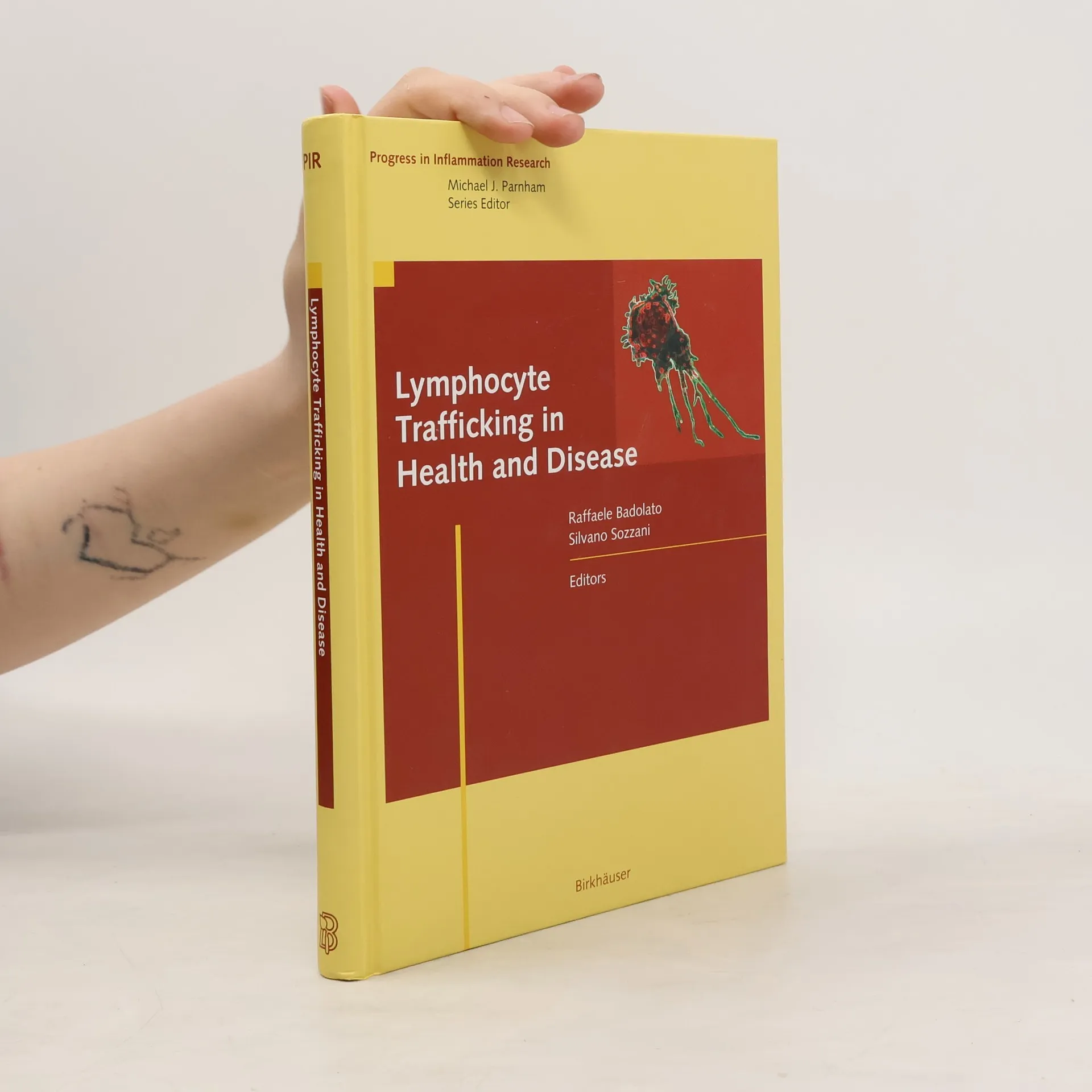
Progress in Inflammation Research: Lymphocyte Trafficking in Health and Disease, Raffaele Badolato, Silvano Sozzani, Michael J. Parnham
- Taal

- Jaar van publicatie
- 2006
- Bindwijze
- (Hardcover)
Betaalmethoden
Nog niemand heeft beoordeeld.
- Titel
- Progress in Inflammation Research: Lymphocyte Trafficking in Health and Disease
- Taal
- Engels
- Uitgever
- Birkhäuser
- Jaar van publicatie
- 2006
- Formaat
- Hardcover
- Aantal pagina's
- 242
- ISBN10
- 3764373083
- ISBN13
- 9783764373085
- Reeks
- Categorieën
- Tags
- Gezondheid & Medisch, Natuurwetenschappen, Handleidingen en Gidsen, Wetenschap, Geneeskunde, Zwitserland, Migratie, Microbiologie, Fysiologie, Interne Geneeskunde, Immunologie, Immuunsysteem, Hematologie, Skelet, Cytologie, Inflammatoire aandoeningen
- Aantekening
- Since the discovery of chemokines and of chemokine receptors it has become evident that expression of chemokines at the site of inflammation may regulate the composition of cellular infiltrate, thereby directing the type of immune response. Recently, the molecular characterization of inherited disorders of immune system, (e. g., Wiskott-Aldrich syndrome, WHIM syndrome, leukocyte adhesion deficiency), which are characterized by cytoskeleton/adhesion defects or by altered response of chemokine receptors has contributed to clarifying the key players of immune response in normal physiology and in disease. This book, which deals with the description of the role of chemokines in immune response and underlines potential targets of therapeutical intervention, offers a series of contributions of the most challenging aspects of lymphocyte migration in homeostasis and in disease.