

Parameters
- 268bladzijden
- 10 uur lezen
Meer over het boek
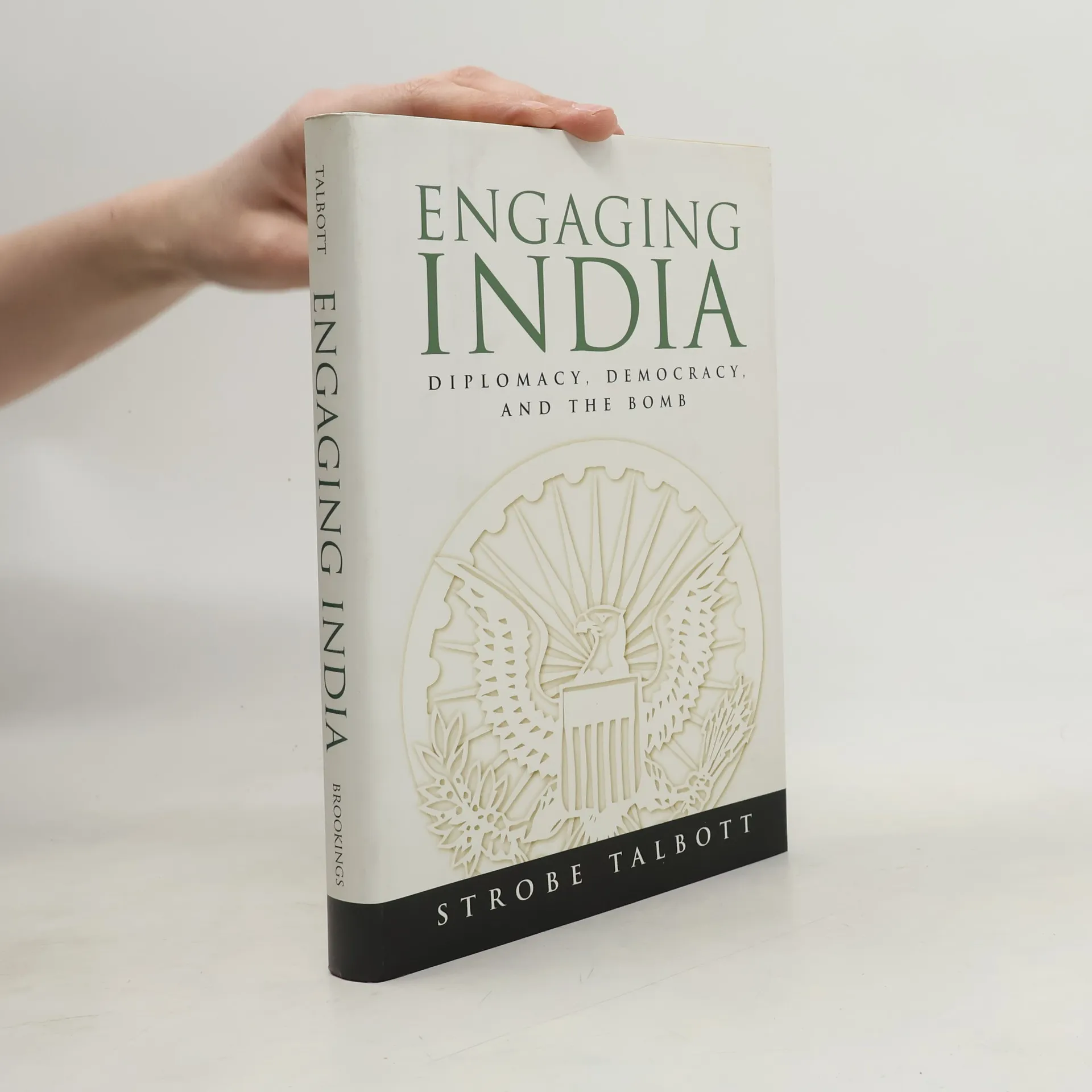
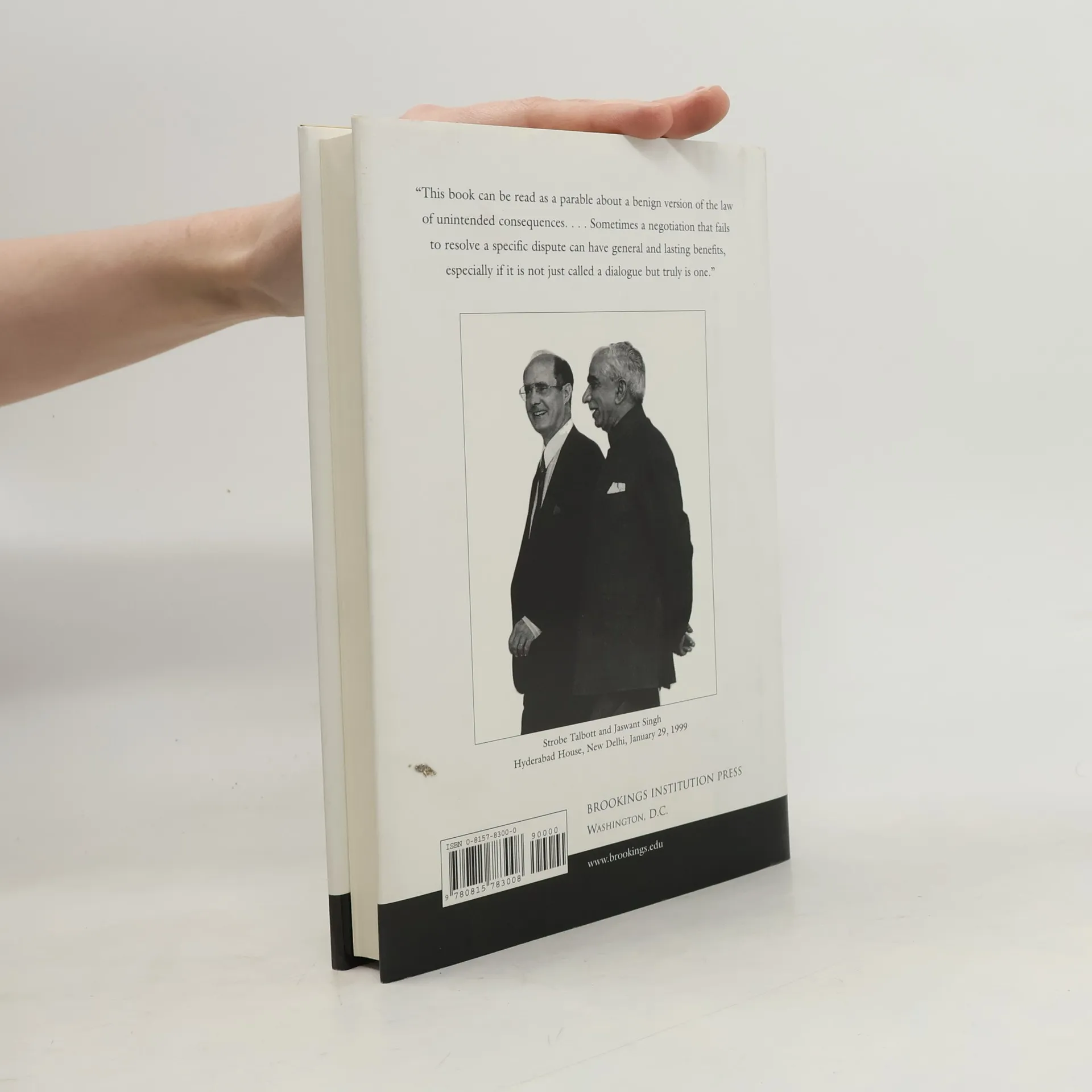
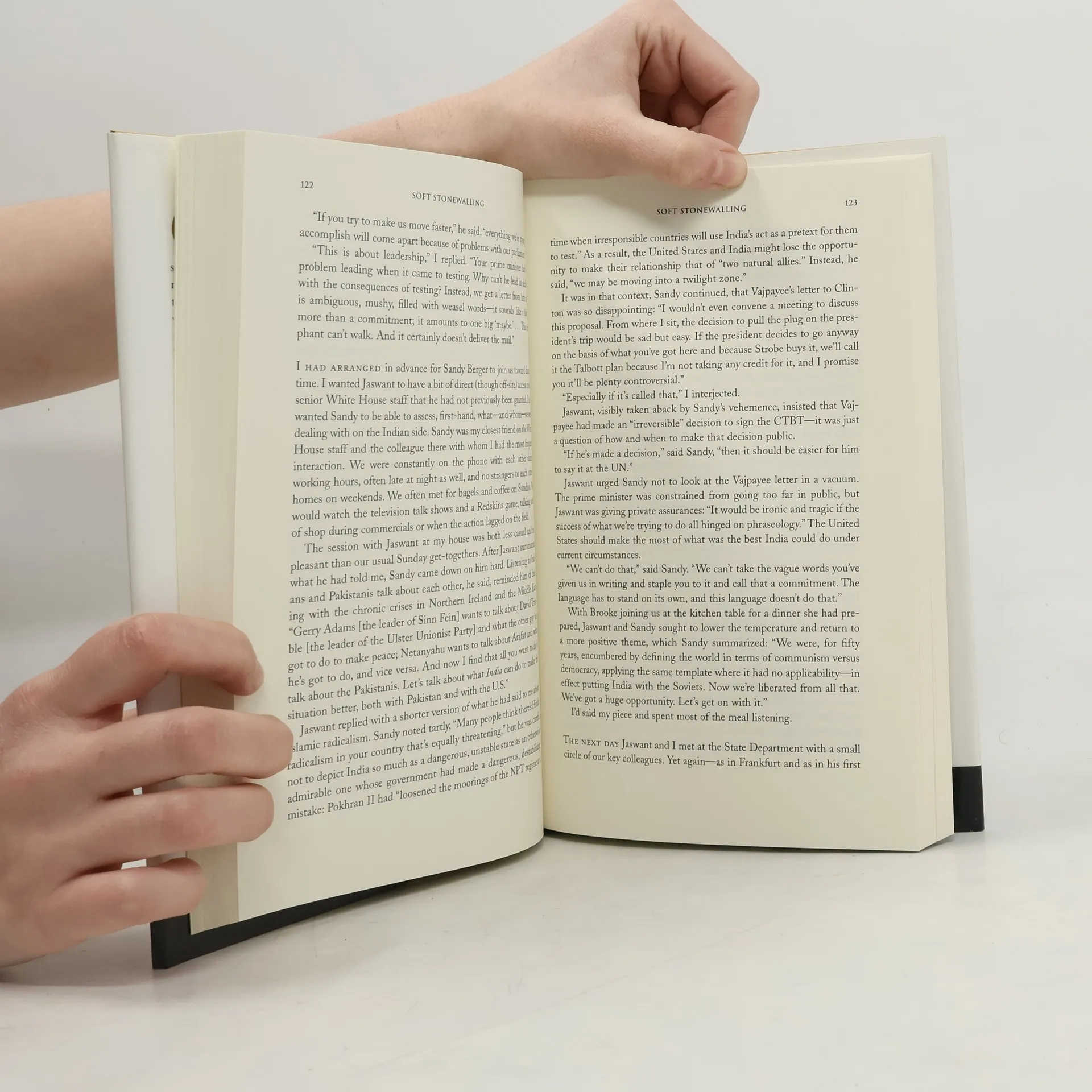
On May 11, 1998, three nuclear devices detonated in the Thar Desert, shaking surrounding villages and triggering a crisis in U.S.-India relations, already strained by decades of tension. The situation escalated when Pakistan conducted its own nuclear test two weeks later. This book recounts the diplomacy between the United States and India following these tests, narrated by the American lead negotiator. From June 1998 to September 2000, Deputy Secretary of State Strobe Talbott and Indian Minister of External Affairs Jaswant Singh engaged in extensive dialogue, meeting fourteen times across seven countries on three continents. They addressed security and nonproliferation issues while exploring broader visions for U.S.-India relations and potential economic cooperation. As their discussions progressed, the U.S. played a crucial role in averting nuclear conflict over Kashmir in the summer of 1999, with details shared here for the first time. The Talbott-Singh diplomacy set the stage for President Bill Clinton's landmark visit to India in March 2000, ending fifty years of estrangement between the two democracies. In the context of ongoing threats from Islamic militants in South Asia, the cooperation established during these talks remains vital for future leaders. This account offers an insider's perspective on the efforts to foster a positive U.S.-India relationship, making it an essential resource for understanding America's role
Een boek kopen
Engaging India, Strobe Talbott
- Taal

- Jaar van publicatie
- 2004
- Bindwijze
- (Hardcover)
Betaalmethoden
We missen je recensie hier.
- Titel
- Engaging India
- Ondertitel
- Diplomacy, Democracy, and the Bomb
- Taal
- Engels
- Auteurs
- Strobe Talbott
- Uitgever
- Brookings Institution
- Jaar van publicatie
- 2004
- Formaat
- Hardcover
- Aantal pagina's
- 268
- ISBN10
- 0815783000
- ISBN13
- 9780815783008
- Reeks
- Categorieën
- Tags
- Historisch thema, Handel, Politiek, Verenigde Staten, Amerikaanse Literatuur, Azië, Politieke theorieën, Indië, Internationale Betrekkingen, Diplomatie, Pakistan
- Beoordeling
- 4,1 van 5
- Aantekening
- On May 11, 1998, three nuclear devices detonated in the Thar Desert, shaking surrounding villages and triggering a crisis in U.S.-India relations, already strained by decades of tension. The situation escalated when Pakistan conducted its own nuclear test two weeks later. This book recounts the diplomacy between the United States and India following these tests, narrated by the American lead negotiator. From June 1998 to September 2000, Deputy Secretary of State Strobe Talbott and Indian Minister of External Affairs Jaswant Singh engaged in extensive dialogue, meeting fourteen times across seven countries on three continents. They addressed security and nonproliferation issues while exploring broader visions for U.S.-India relations and potential economic cooperation. As their discussions progressed, the U.S. played a crucial role in averting nuclear conflict over Kashmir in the summer of 1999, with details shared here for the first time. The Talbott-Singh diplomacy set the stage for President Bill Clinton's landmark visit to India in March 2000, ending fifty years of estrangement between the two democracies. In the context of ongoing threats from Islamic militants in South Asia, the cooperation established during these talks remains vital for future leaders. This account offers an insider's perspective on the efforts to foster a positive U.S.-India relationship, making it an essential resource for understanding America's role