



Parameters
- 262bladzijden
- 10 uur lezen
Meer over het boek
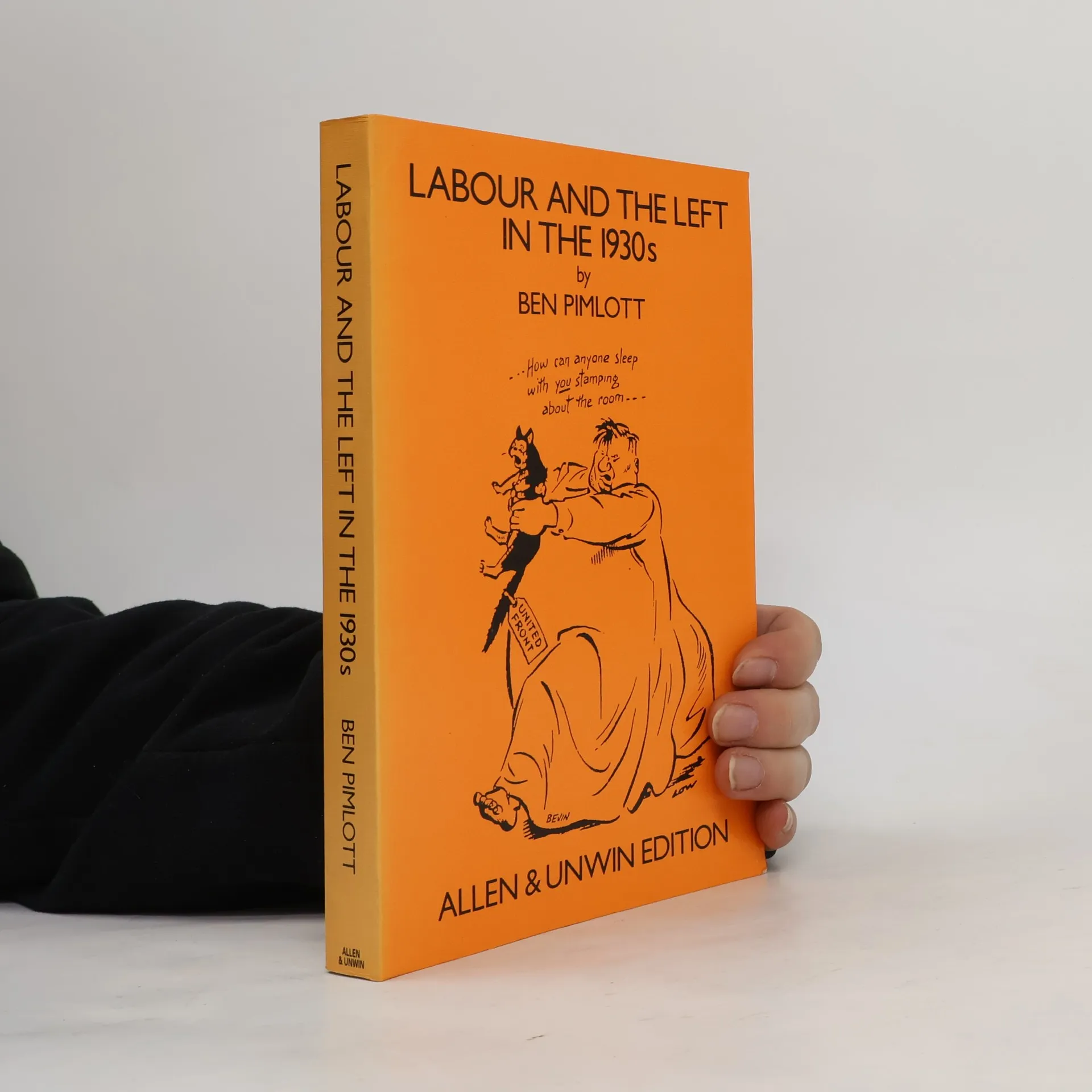
The 1930s was the decade of the Jarrow March and the International Brigade - the 'Red Decade' of literary imagination. Yet there has seldom been a time when the influence of the British Left has been at a lower ebb. Why was this? In this book Ben Pimlott suggests answers, and challenges established myths about left-wing politics during a crucial period. Pimlott's study is concerned with the relationship between ideas and political action. The author is interested in the distinction which can be drawn between 'expressive' and 'instrumental' approaches to political behaviour, and a central theme is that the 'expressive' politics of some sections of the Left had an ironic effect of hindering the achievement of widely shared goals.
Een boek kopen
Labour and the Left in the 1930s, Ben Pimlott
- Taal

- Jaar van publicatie
- 1977
- Bindwijze
- (Paperback)
Betaalmethoden
We missen je recensie hier.
- Titel
- Labour and the Left in the 1930s
- Taal
- Engels
- Auteurs
- Ben Pimlott
- Uitgever
- Unwin Hyman
- Jaar van publicatie
- 1977
- Formaat
- Paperback
- Aantal pagina's
- 262
- ISBN10
- 0049410164
- ISBN13
- 9780049410169
- Reeks
- Tags
- Historisch thema, Europa, Geschiedenis van Europa, Politieke theorieën, Industrie, Politieke Partijen
- Beoordeling
- 5 van 5
- Aantekening
- The 1930s was the decade of the Jarrow March and the International Brigade - the 'Red Decade' of literary imagination. Yet there has seldom been a time when the influence of the British Left has been at a lower ebb. Why was this? In this book Ben Pimlott suggests answers, and challenges established myths about left-wing politics during a crucial period. Pimlott's study is concerned with the relationship between ideas and political action. The author is interested in the distinction which can be drawn between 'expressive' and 'instrumental' approaches to political behaviour, and a central theme is that the 'expressive' politics of some sections of the Left had an ironic effect of hindering the achievement of widely shared goals.