



Meer over het boek
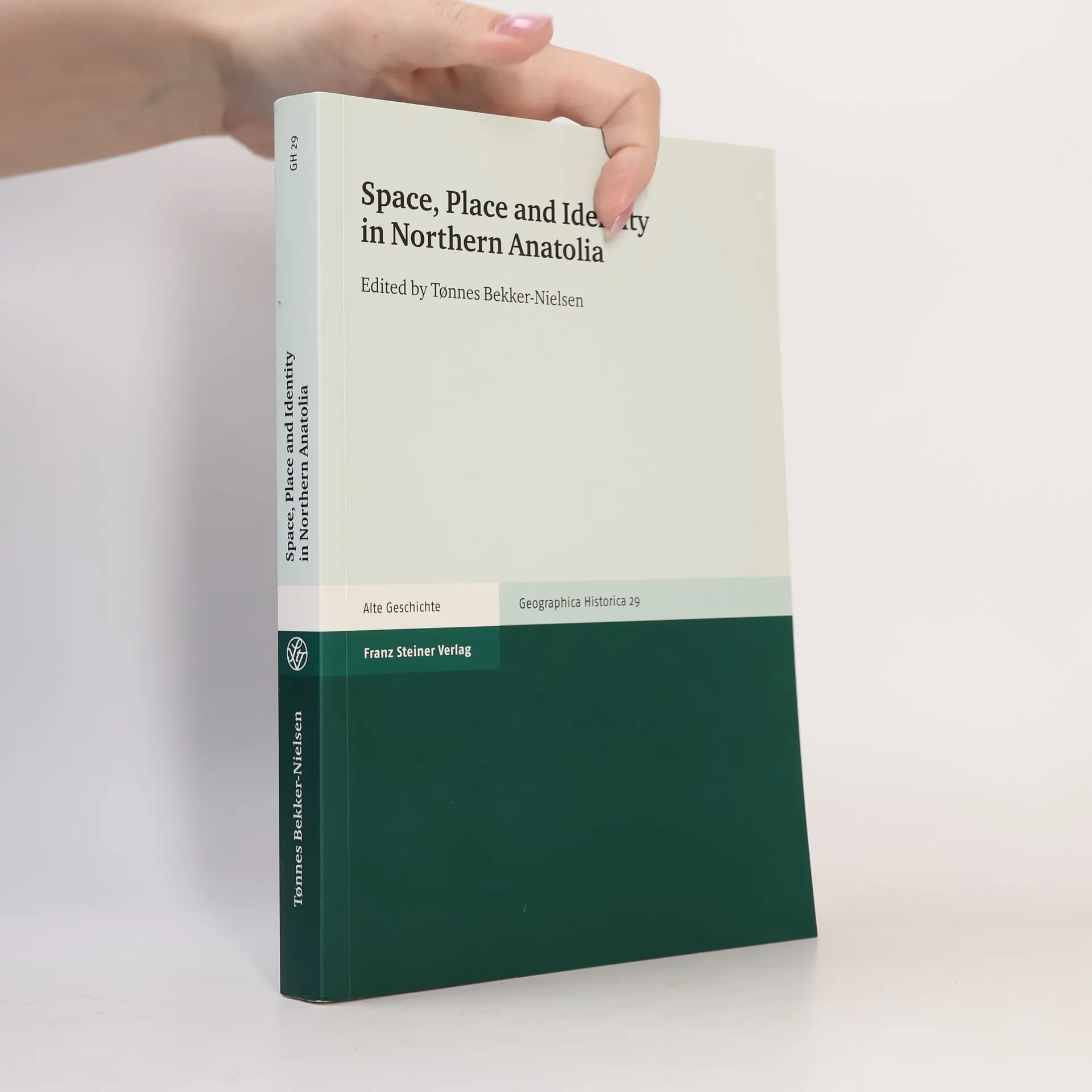
Until now, most studies of Roman Anatolia have been focused on the strongly Hellenised and urbanised regions of western and southern Asia Minor. In this volume, the first on its subject, thirteen contributors from nine different countries address the question of how local identities were created and maintained in northern Anatolia from the fall of Mithradates VI to the middle Byzantine period. In a region that did not possess a Hellenistic polis-tradition, the fledgling inland cities founded by Pompey the Great struggled to develop an urban identity of their own, while the old-established Greek colonies on the Black Sea coast had to come to terms with the reality of Roman domination without abandoning their Hellenic identity. Drawing on the evidence of archaeology, art, epigraphy and numismatics, the authors trace the diverse ways in which provincial cities – that is to say, provincial urban élites – attempted to construct local identities for themselves, and how mythology, religion, language and tradition were all employed to define and project a specific identity for each city and its territory – transforming geographical „space“ into mentally and culturally defined „place“.
Een boek kopen
Geographica Historica - 29: Space, Place and Identity in Northern Anatolia, Tonnes Bekker-Nielsen
- Taal

- Jaar van publicatie
- 2014
- Bindwijze
- (Paperback)
Betaalmethoden
Nog niemand heeft beoordeeld.
- Titel
- Geographica Historica - 29: Space, Place and Identity in Northern Anatolia
- Taal
- Engels
- Auteurs
- Tonnes Bekker-Nielsen
- Uitgever
- Franz Steiner Verlag
- Jaar van publicatie
- 2014
- Formaat
- Paperback
- Aantal pagina's
- 271
- ISBN10
- 3515107487
- ISBN13
- 9783515107488
- Reeks
- Categorieën
- Aantekening
- Until now, most studies of Roman Anatolia have been focused on the strongly Hellenised and urbanised regions of western and southern Asia Minor. In this volume, the first on its subject, thirteen contributors from nine different countries address the question of how local identities were created and maintained in northern Anatolia from the fall of Mithradates VI to the middle Byzantine period. In a region that did not possess a Hellenistic polis-tradition, the fledgling inland cities founded by Pompey the Great struggled to develop an urban identity of their own, while the old-established Greek colonies on the Black Sea coast had to come to terms with the reality of Roman domination without abandoning their Hellenic identity. Drawing on the evidence of archaeology, art, epigraphy and numismatics, the authors trace the diverse ways in which provincial cities – that is to say, provincial urban élites – attempted to construct local identities for themselves, and how mythology, religion, language and tradition were all employed to define and project a specific identity for each city and its territory – transforming geographical „space“ into mentally and culturally defined „place“.