

Boekbeoordeling
Meer over het boek
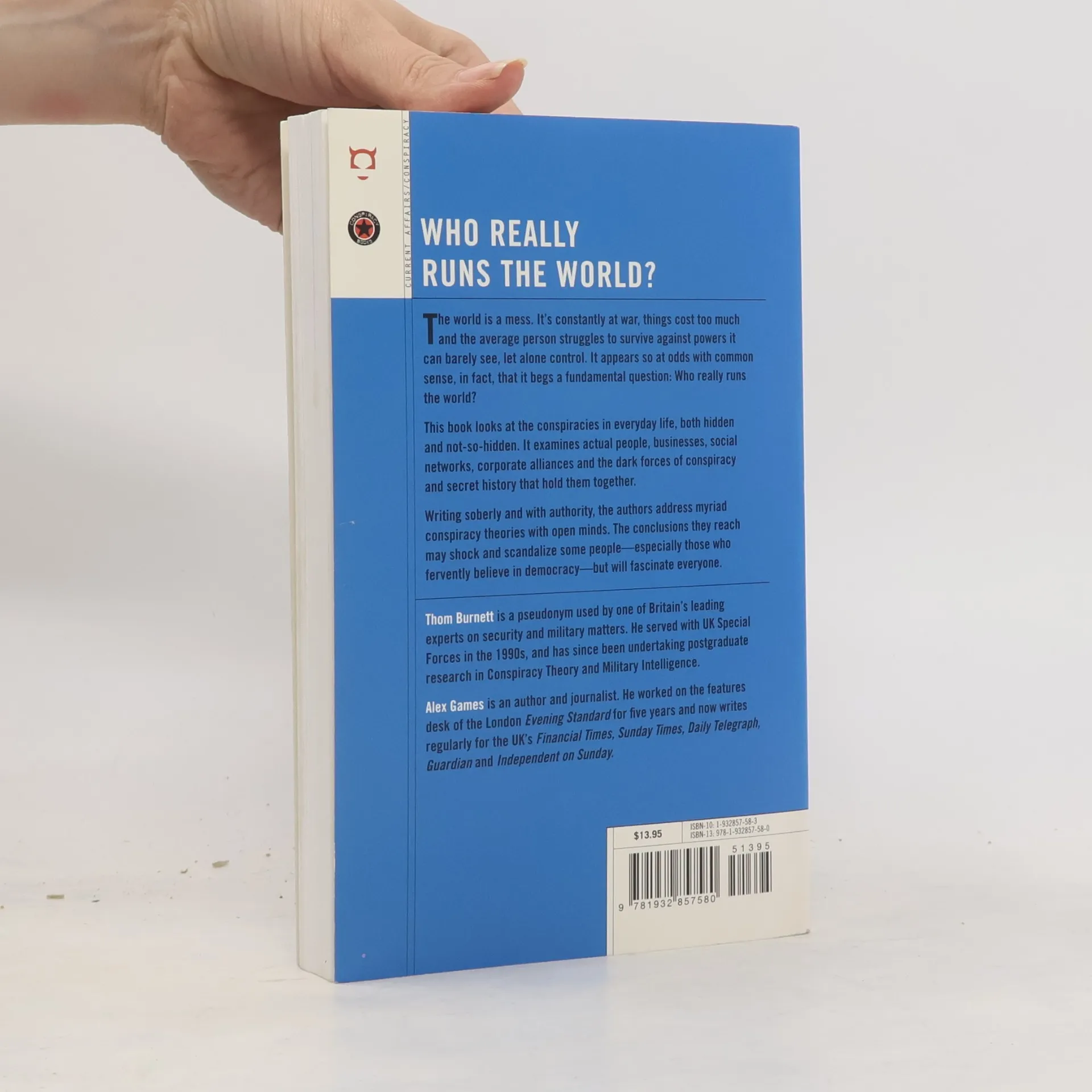
The world is a mess. It's constantly at war, things cost too much, and the average person struggles to survive against powers they can barely see, let alone control. It appears so at odds with common sense, in fact, that it begs a fundamental question: Who runs the world? This book looks at the conspiracies in everyday life, both hidden and not-so-hidden. It examines actual people, businesses, social networks, corporate alliances, and the dark forces of conspiracy and secret history that hold them together. The conclusions reached may shock and scandalize some people--especially those who fervently believe in democracy--but will fascinate everyone.
Uitgave

Een boek kopen
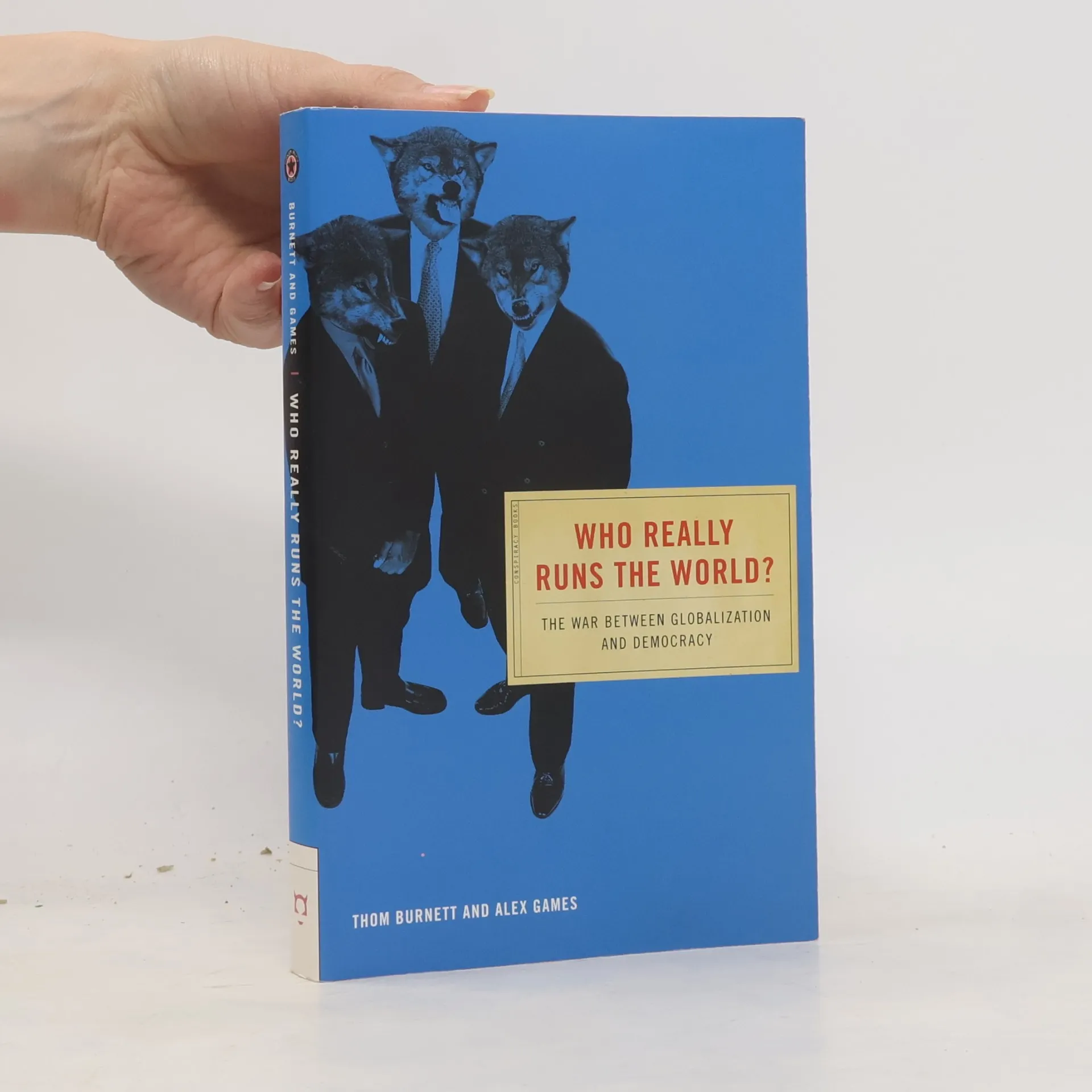
Conspiracy Books: Who Really Runs the World?, Thom Burnett, Alexander Games
- Taal

- Jaar van publicatie
- 2007
- Bindwijze
- (Paperback),
- Staat van het boek
- Goed
- Prijs
- € 1,99
Betaalmethoden
We missen je recensie hier.
- Titel
- Conspiracy Books: Who Really Runs the World?
- Ondertitel
- The War Between Globalization and Democracy
- Taal
- Engels
- Auteurs
- Thom Burnett, Alexander Games
- Uitgever
- Disinformation
- Jaar van publicatie
- 2007
- Formaat
- Paperback
- Aantal pagina's
- 256
- ISBN10
- 1932857583
- ISBN13
- 9781932857580
- Reeks
- Beoordeling
- 3,5 van 5
- Aantekening
- The world is a mess. It's constantly at war, things cost too much, and the average person struggles to survive against powers they can barely see, let alone control. It appears so at odds with common sense, in fact, that it begs a fundamental question: Who runs the world? This book looks at the conspiracies in everyday life, both hidden and not-so-hidden. It examines actual people, businesses, social networks, corporate alliances, and the dark forces of conspiracy and secret history that hold them together. The conclusions reached may shock and scandalize some people--especially those who fervently believe in democracy--but will fascinate everyone.