

Meer over het boek
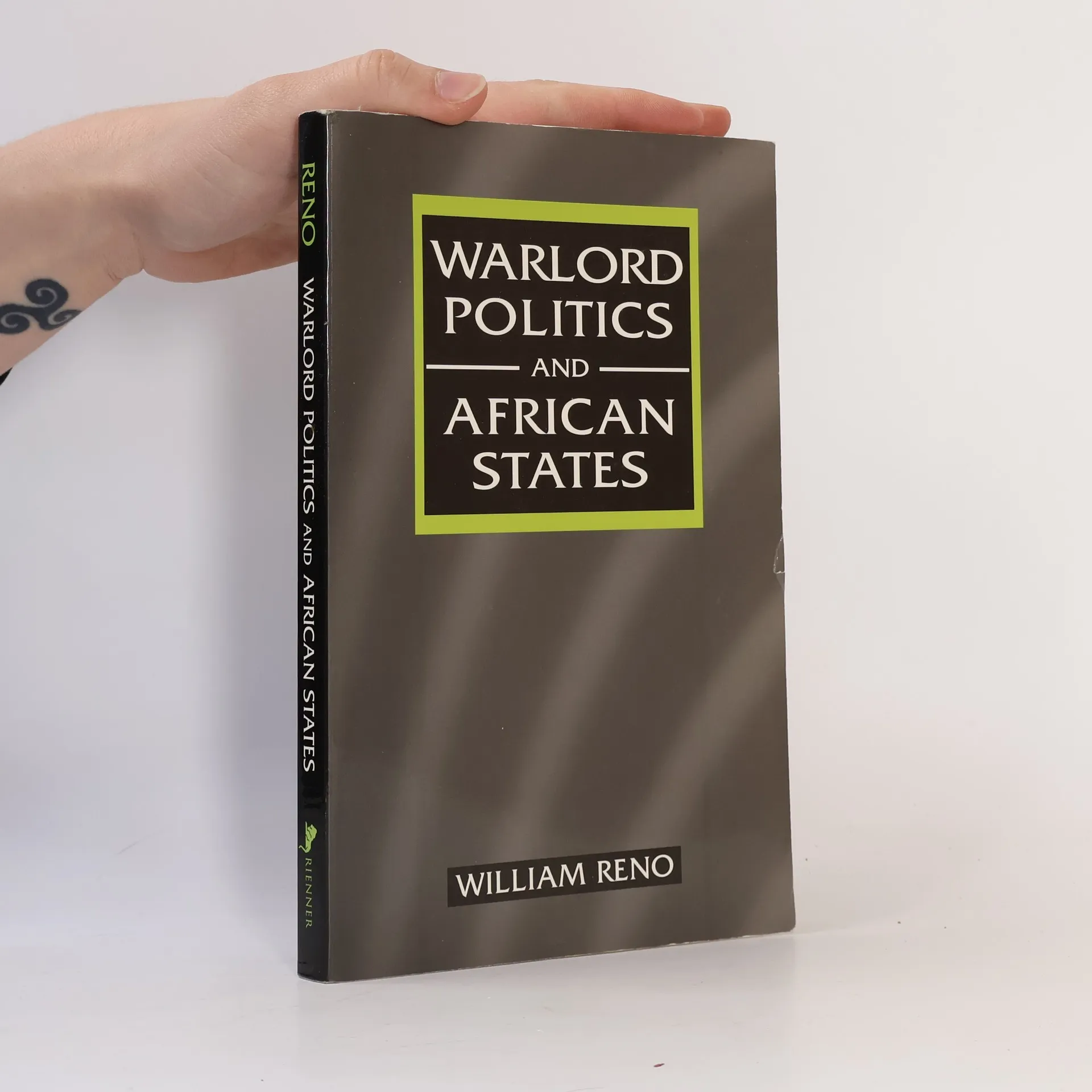
African states range from strong to weak, and weak ones can be grouped into those with valuable extractable resources and those without. This innovative study investigates warlord politics in weak states with rich endowments: Liberia, Sierra Leone, and the former Zaire, with Nigeria as a potential candidate. Reno argues that the new post-Cold War environment has forced weak-state rulers to revise their political calculus. Told by creditors to trim bloated bureaucracies and privatize public-sector companies, they dismantle old patronage networks and form new alliances with compliant, often buccaneering foreign firms. In turn, these firms become surrogate providers of bureaucratic services (especially security) in the enclaves where diamonds, cobalt, timber, or other valuable resources are extracted. Politics becomes a simple process of asset-stripping, and less-endowed regions are left to stagnate. Since research on warlord activity is difficult, some of Reno's conclusions rest on shaky evidence. Nevertheless, he makes a serious effort to challenge conventional wisdom about failed states and the virtues of free markets and small government.
Een boek kopen
Warlord Politics and African States, William Reno
- Taal

- Jaar van publicatie
- 1998
- Bindwijze
- (Paperback)
Betaalmethoden
We missen je recensie hier.
- Titel
- Warlord Politics and African States
- Taal
- Engels
- Auteurs
- William Reno
- Uitgever
- Lynne Rienner Publishers
- Jaar van publicatie
- 1998
- Formaat
- Paperback
- Aantal pagina's
- 257
- ISBN10
- 1555878830
- ISBN13
- 9781555878832
- Reeks
- Beoordeling
- 3,65 van 5
- Aantekening
- African states range from strong to weak, and weak ones can be grouped into those with valuable extractable resources and those without. This innovative study investigates warlord politics in weak states with rich endowments: Liberia, Sierra Leone, and the former Zaire, with Nigeria as a potential candidate. Reno argues that the new post-Cold War environment has forced weak-state rulers to revise their political calculus. Told by creditors to trim bloated bureaucracies and privatize public-sector companies, they dismantle old patronage networks and form new alliances with compliant, often buccaneering foreign firms. In turn, these firms become surrogate providers of bureaucratic services (especially security) in the enclaves where diamonds, cobalt, timber, or other valuable resources are extracted. Politics becomes a simple process of asset-stripping, and less-endowed regions are left to stagnate. Since research on warlord activity is difficult, some of Reno's conclusions rest on shaky evidence. Nevertheless, he makes a serious effort to challenge conventional wisdom about failed states and the virtues of free markets and small government.