




Meer over het boek
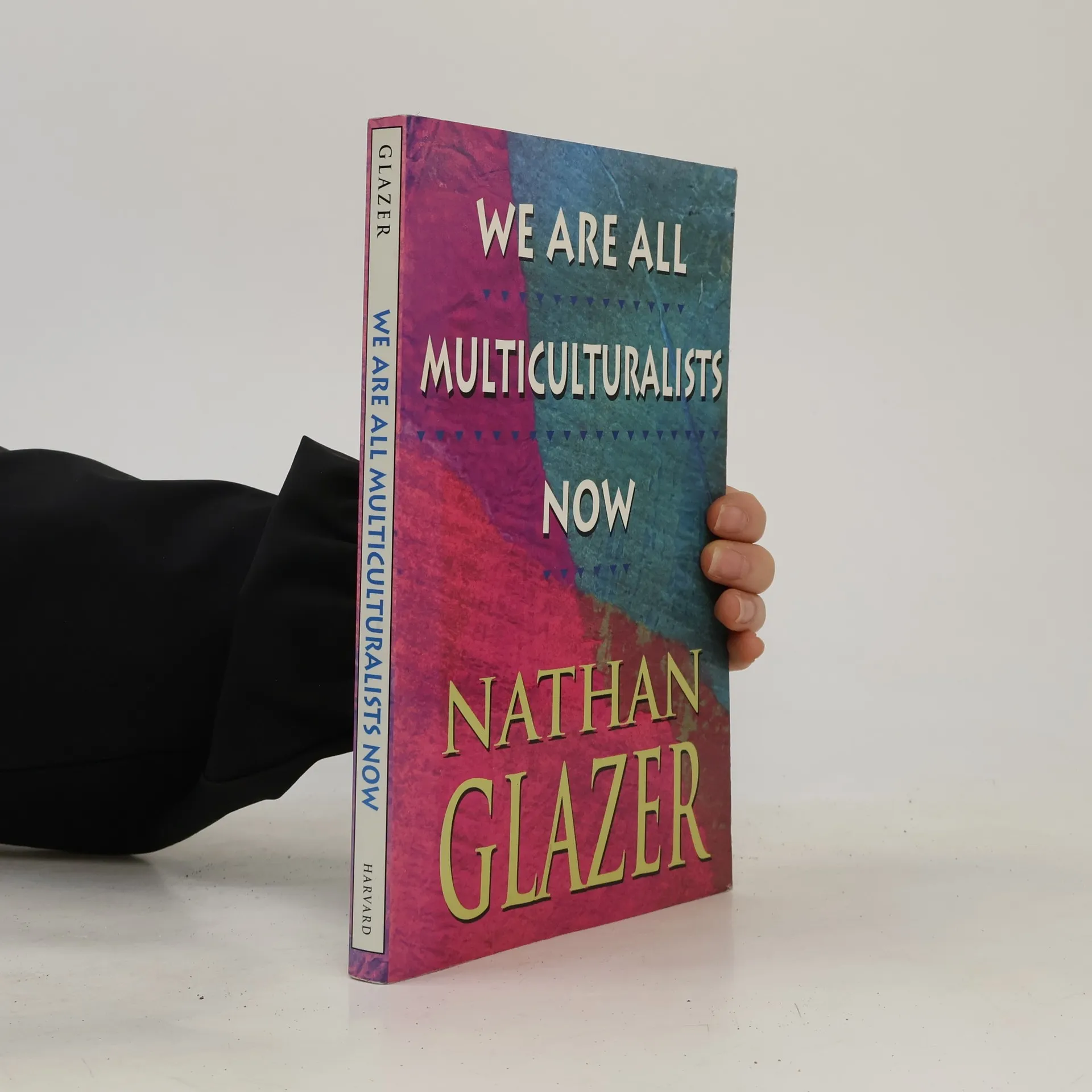
The melting pot concept has shifted to multiculturalism, particularly evident in public schools where a Eurocentric curriculum has been replaced by a focus on diversity, often leading to confrontation and confusion. Nathan Glazer provides clarity on this transformation, examining why both advocates and skeptics have embraced multiculturalism and its implications for national unity, civil society, and education. He addresses key concerns surrounding multicultural education, such as whose "truth" is represented in the curriculum, whether an emphasis on ethnic roots strengthens or undermines national unity amidst global challenges, and if highlighting social injustices fosters harmony or discord. Glazer argues that multiculturalism emerged from mainstream society's failure to assimilate African Americans, whose anger and frustration led to a rejection of exclusionary traditions. He asserts that "we are all multiculturalists now," offering insights into the complexities of this new identity and encouraging reflection on its impact and significance.
Een boek kopen
We Are All Multiculturalists Now, Nathan Glazer
- Taal

- Jaar van publicatie
- 1998
- product-detail.submit-box.info.binding
- (Paperback),
- Staat van het boek
- Beschadigd
- Prijs
- € 3,02
Betaalmethoden
We missen je recensie hier.
- Taal
- Engels
- Auteurs
- Nathan Glazer
- Uitgever
- Harvard University Press
- Jaar van publicatie
- 1998
- Formaat
- Paperback
- Aantal pagina's
- 188
- ISBN10
- 067494836X
- ISBN13
- 9780674948365
- Reeks
- Beoordeling
- 3 van 5
- Aantekening
- The melting pot concept has shifted to multiculturalism, particularly evident in public schools where a Eurocentric curriculum has been replaced by a focus on diversity, often leading to confrontation and confusion. Nathan Glazer provides clarity on this transformation, examining why both advocates and skeptics have embraced multiculturalism and its implications for national unity, civil society, and education. He addresses key concerns surrounding multicultural education, such as whose "truth" is represented in the curriculum, whether an emphasis on ethnic roots strengthens or undermines national unity amidst global challenges, and if highlighting social injustices fosters harmony or discord. Glazer argues that multiculturalism emerged from mainstream society's failure to assimilate African Americans, whose anger and frustration led to a rejection of exclusionary traditions. He asserts that "we are all multiculturalists now," offering insights into the complexities of this new identity and encouraging reflection on its impact and significance.