

Parameters
- 176bladzijden
- 7 uur lezen
Meer over het boek
This assessment explores the evolving relationship between Europe and the Arab world, focusing on the shifting political dynamics within Arab countries, including the rise of political Islam and civil society. The authors, Samir Amin and Ali El Kenz, argue that U.S. global hegemony significantly influences Euro-Arab relations. They examine the European Union's initiative, initiated in Barcelona, aimed at establishing equal and mutually beneficial cooperation with Mediterranean and Gulf Arab nations. Their analysis includes a detailed empirical account of this initiative, alongside a historically contextualized and politically insightful critique of the various realities affecting it. Despite efforts toward dialogue and institution-building to overcome the colonial legacy of inequality, the authors conclude that little has been achieved in transforming the fundamental economic and political ties between the Arab Islamic and European Christian worlds. They identify several obstacles, including the adverse effects of globalized capitalism and the U.S. imposition of its political goals in the Middle East. The relevance of their argument is underscored by the tensions arising from the U.S. military occupation of Iraq and the Bush administration's attempts to promote democracy in the region.
Een boek kopen
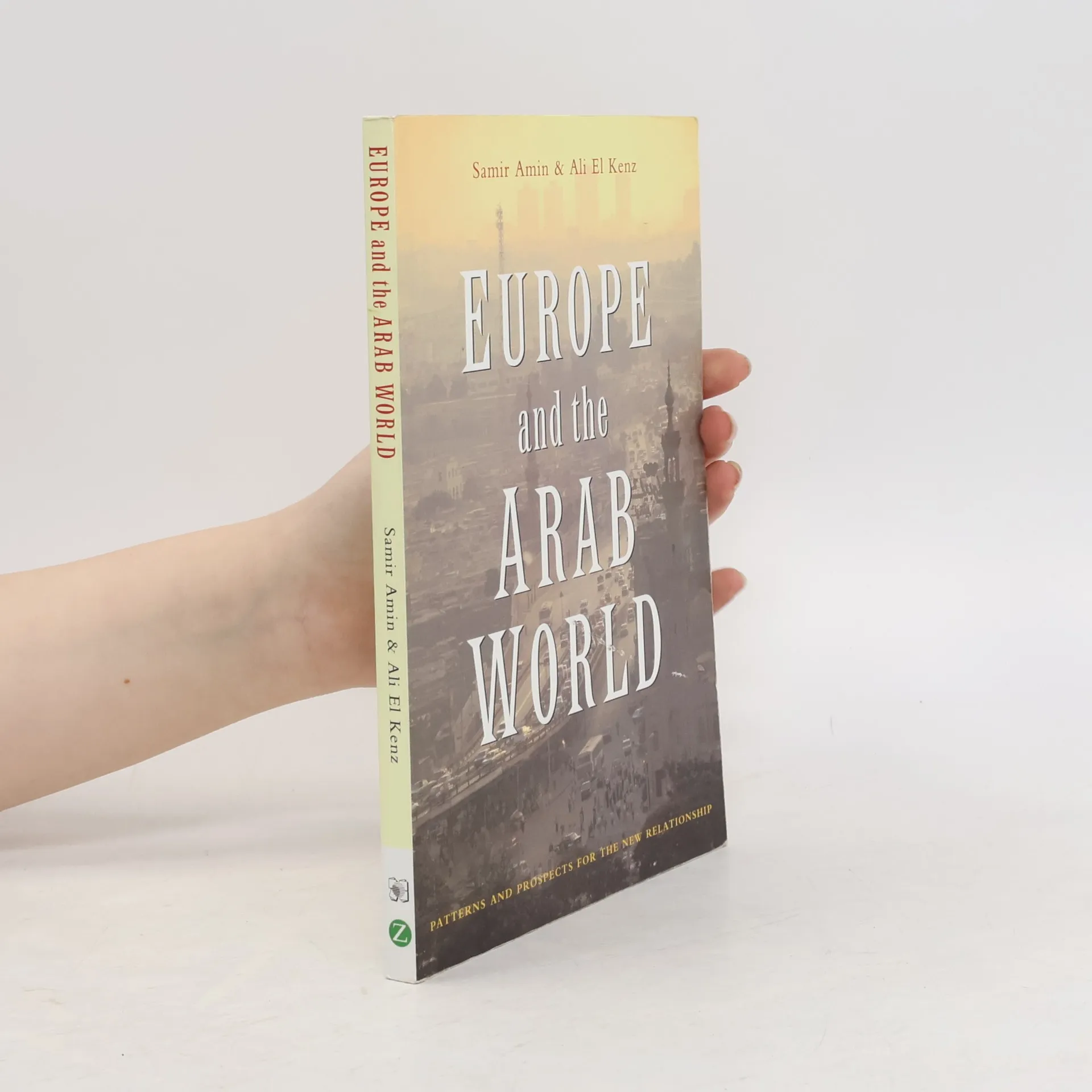
Europe and the Arab World, Sami r. Ami n., Ali El Kenz
- Taal

- Jaar van publicatie
- 2005
- Bindwijze
- (Paperback)
Betaalmethoden
Nog niemand heeft beoordeeld.
- Titel
- Europe and the Arab World
- Ondertitel
- Patterns and Prospects for the New Relationship
- Taal
- Engels
- Auteurs
- Sami r. Ami n., Ali El Kenz
- Uitgever
- Zed Books
- Jaar van publicatie
- 2005
- Formaat
- Paperback
- Aantal pagina's
- 176
- ISBN10
- 1842774379
- ISBN13
- 9781842774373
- Reeks
- Aantekening
- This assessment explores the evolving relationship between Europe and the Arab world, focusing on the shifting political dynamics within Arab countries, including the rise of political Islam and civil society. The authors, Samir Amin and Ali El Kenz, argue that U.S. global hegemony significantly influences Euro-Arab relations. They examine the European Union's initiative, initiated in Barcelona, aimed at establishing equal and mutually beneficial cooperation with Mediterranean and Gulf Arab nations. Their analysis includes a detailed empirical account of this initiative, alongside a historically contextualized and politically insightful critique of the various realities affecting it. Despite efforts toward dialogue and institution-building to overcome the colonial legacy of inequality, the authors conclude that little has been achieved in transforming the fundamental economic and political ties between the Arab Islamic and European Christian worlds. They identify several obstacles, including the adverse effects of globalized capitalism and the U.S. imposition of its political goals in the Middle East. The relevance of their argument is underscored by the tensions arising from the U.S. military occupation of Iraq and the Bush administration's attempts to promote democracy in the region.