

Meer over het boek
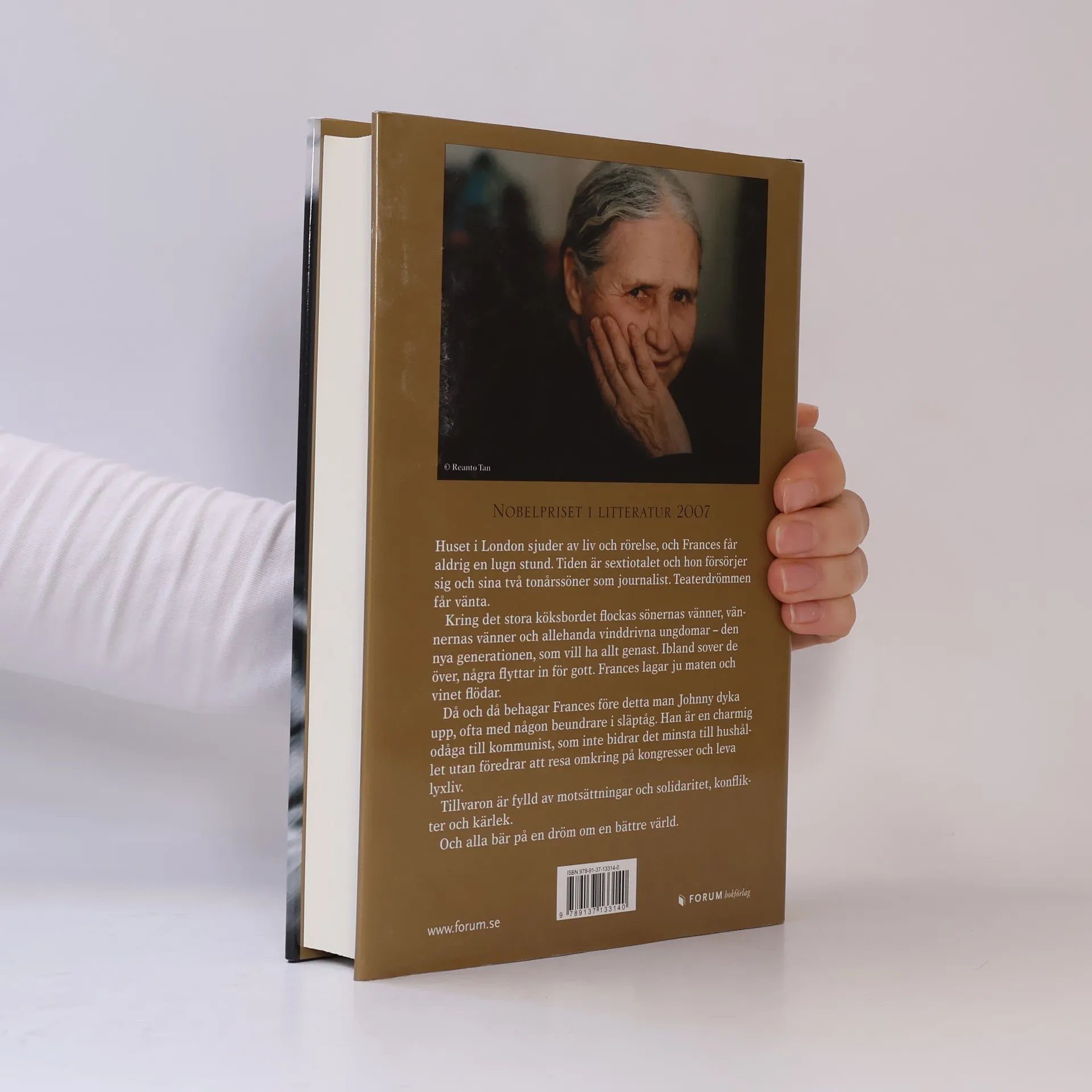
The motivating power of dream and the political price of illusions are the subject of Doris Lessing's extended family saga, The Sweetest Dream . While Frances Lennox, uncomplaining and unsentimental about her roles as a 1960s earth mother for a string of "screwed up" post-war children, serves up endless nurturing at the crowded kitchen table of a large North London house, her ex- husband pursues revolution on all-expenses-paid trips and conferences. Occasionally he drops by for free meals or to dump one of the children, or wives, of another failed marriage on Frances's doorstep. Lessing is able to turn a dispassionate eye on the economics of free love, in which women usually pay. From swinging-'60s London to liberated sub-Saharan Africa, the author depicts the human faces of a broad canvas of issues in this polemical piece. The novel ranges from anorexia to AIDS to casting a questioning eye at the morality of the travelers on the World Bank gravy train. Moving from London to the tragic landscape of post-independence "Zimlia" (a thinly veiled Zimbabwe), Lessing documents the social movement and lost dreams of a post-war generation, for whom "it is always The Dream that counts." --Rachel Holmes, Amazon.co.uk


Een boek kopen
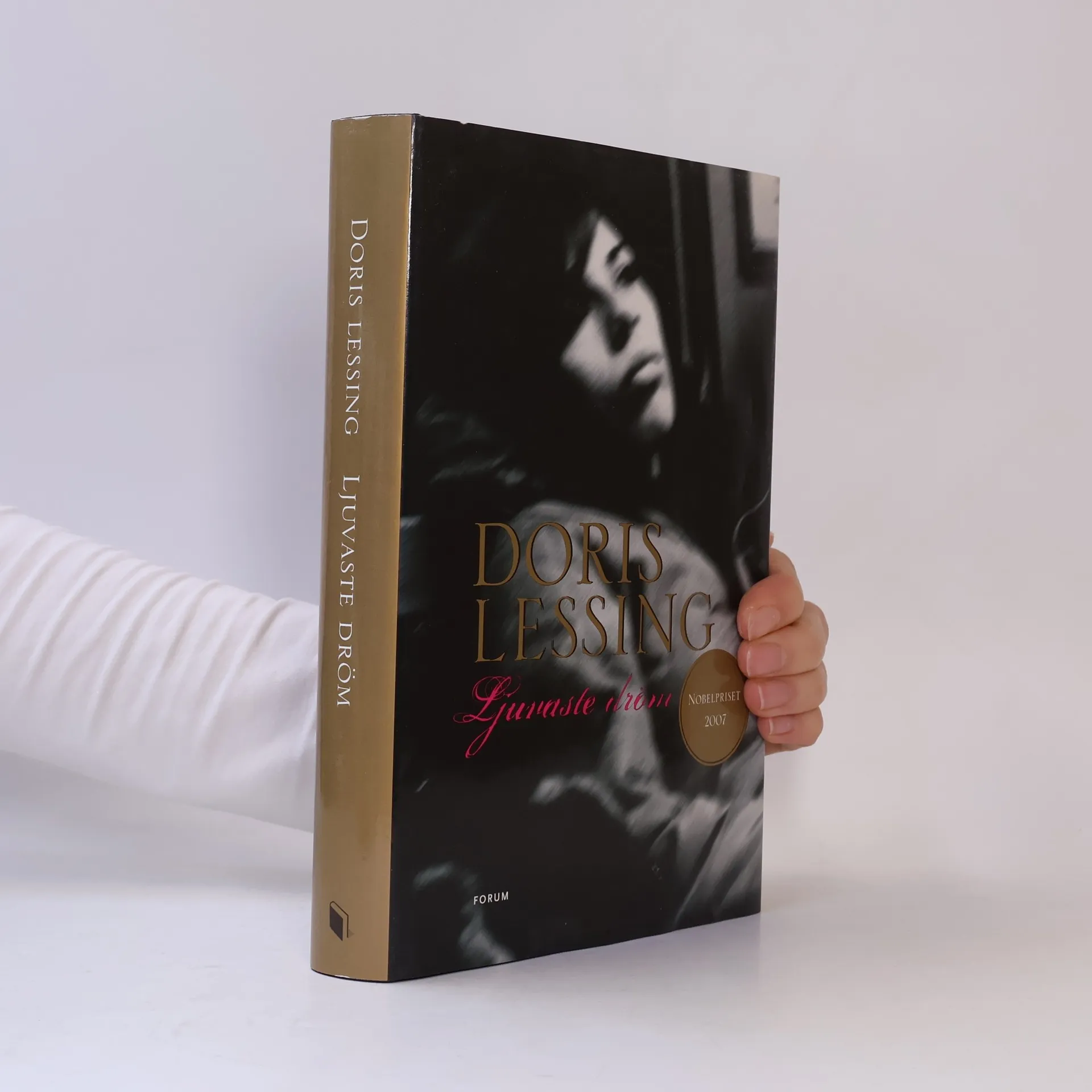
Ljuvaste dröm, Doris Lessing
- Taal

- Jaar van publicatie
- 2007
- Bindwijze
- (Hardcover)
Betaalmethoden
We missen je recensie hier.
- Titel
- Ljuvaste dröm
- Taal
- Zweeds
- Auteurs
- Doris Lessing
- Uitgever
- Forum
- Jaar van publicatie
- 2007
- Formaat
- Hardcover
- Aantal pagina's
- 414
- ISBN10
- 9137133144
- ISBN13
- 9789137133140
- Reeks
- Categorieën
- Oorspronkelijke titel
- The sweetest dream
- Beoordeling
- 3,75 van 5
- Aantekening
- The motivating power of dream and the political price of illusions are the subject of Doris Lessing's extended family saga, The Sweetest Dream . While Frances Lennox, uncomplaining and unsentimental about her roles as a 1960s earth mother for a string of "screwed up" post-war children, serves up endless nurturing at the crowded kitchen table of a large North London house, her ex- husband pursues revolution on all-expenses-paid trips and conferences. Occasionally he drops by for free meals or to dump one of the children, or wives, of another failed marriage on Frances's doorstep. Lessing is able to turn a dispassionate eye on the economics of free love, in which women usually pay. From swinging-'60s London to liberated sub-Saharan Africa, the author depicts the human faces of a broad canvas of issues in this polemical piece. The novel ranges from anorexia to AIDS to casting a questioning eye at the morality of the travelers on the World Bank gravy train. Moving from London to the tragic landscape of post-independence "Zimlia" (a thinly veiled Zimbabwe), Lessing documents the social movement and lost dreams of a post-war generation, for whom "it is always The Dream that counts." --Rachel Holmes, Amazon.co.uk