



Meer over het boek
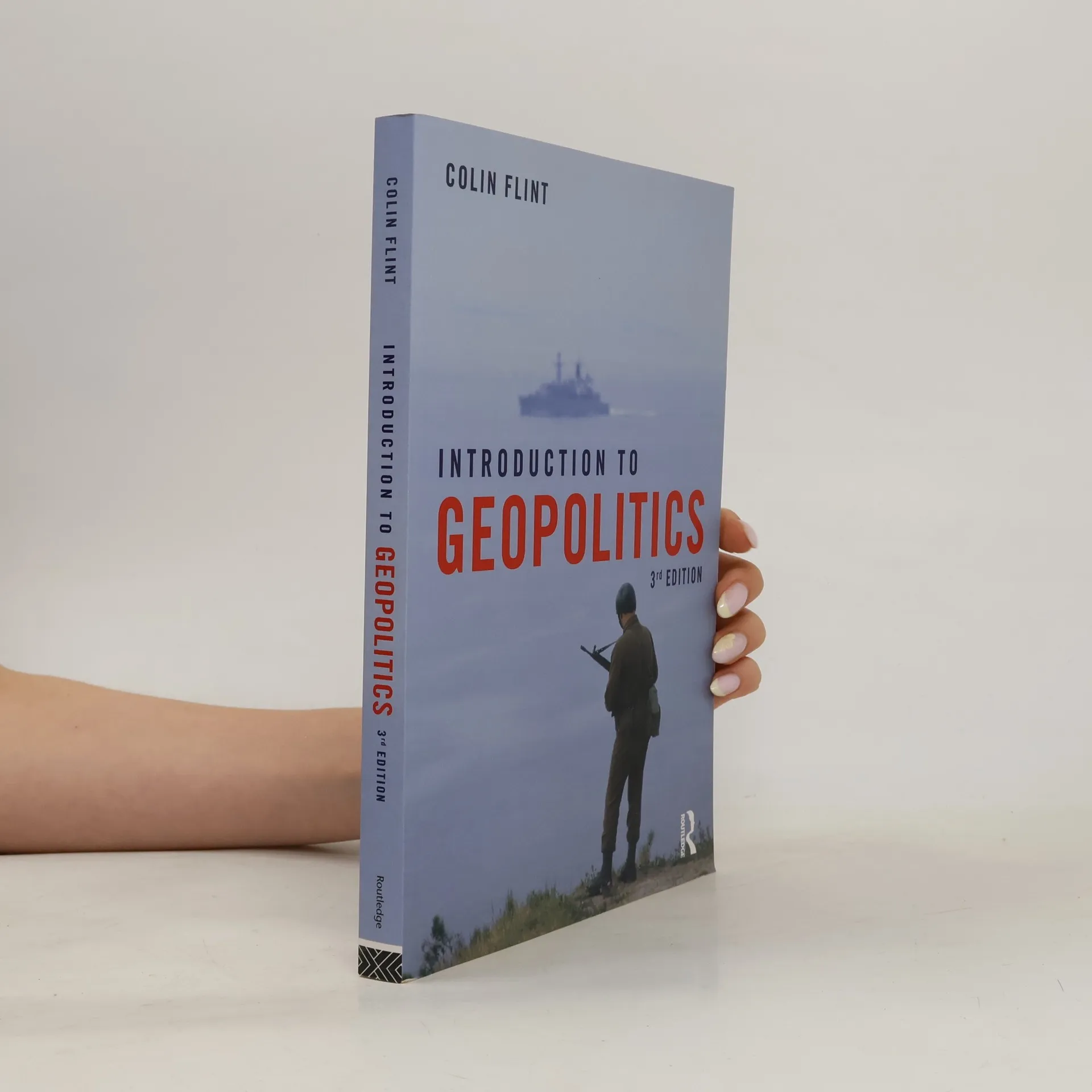
This updated edition presents the overarching themes of geopolitical structures and agents in an engaging manner, requiring no prior knowledge of theory or current affairs. Through new case studies and guided exercises, it explores the contemporary global power of the United States and the challenges it faces, including nationalist conflicts, migration, cyberwar, terrorism, and environmental geopolitics. Case studies on the rise of the Islamic State, South China Sea disputes, the Syrian civil war, the Korean conflict, and Israel-Palestine highlight the multi-faceted nature of conflict. The book incorporates international and long-term historical perspectives, introducing various theoretical viewpoints, including feminist contributions. The new edition features expanded sections on network geopolitics and non-state actors, a new section on the geopolitics of transnational business and cyberwar, and an interpretation of ISIS within historical geopolitical trends. It also discusses the relevance of Boserup and neo-Malthusians to environmental geopolitics. This work provides critical analytical tools for understanding the actions of states and non-state actors competing for resources and power, making it an essential resource for both students and general readers seeking a deeper understanding of contemporary conflicts.
Een boek kopen
Introduction to Geopolitics, Colin Flint
- Taal

- Jaar van publicatie
- 2016
- Bindwijze
- (Paperback)
Betaalmethoden
Nog niemand heeft beoordeeld.
- Titel
- Introduction to Geopolitics
- Ondertitel
- 3rd Edition
- Taal
- Engels
- Auteurs
- Colin Flint
- Uitgever
- Routledge
- Jaar van publicatie
- 2016
- Formaat
- Paperback
- Aantal pagina's
- 334
- ISBN10
- 1138192163
- ISBN13
- 9781138192164
- Reeks
- Categorieën
- Aantekening
- This updated edition presents the overarching themes of geopolitical structures and agents in an engaging manner, requiring no prior knowledge of theory or current affairs. Through new case studies and guided exercises, it explores the contemporary global power of the United States and the challenges it faces, including nationalist conflicts, migration, cyberwar, terrorism, and environmental geopolitics. Case studies on the rise of the Islamic State, South China Sea disputes, the Syrian civil war, the Korean conflict, and Israel-Palestine highlight the multi-faceted nature of conflict. The book incorporates international and long-term historical perspectives, introducing various theoretical viewpoints, including feminist contributions. The new edition features expanded sections on network geopolitics and non-state actors, a new section on the geopolitics of transnational business and cyberwar, and an interpretation of ISIS within historical geopolitical trends. It also discusses the relevance of Boserup and neo-Malthusians to environmental geopolitics. This work provides critical analytical tools for understanding the actions of states and non-state actors competing for resources and power, making it an essential resource for both students and general readers seeking a deeper understanding of contemporary conflicts.