

De favoriet van de lezers is momenteel uitverkocht.

Meer over het boek
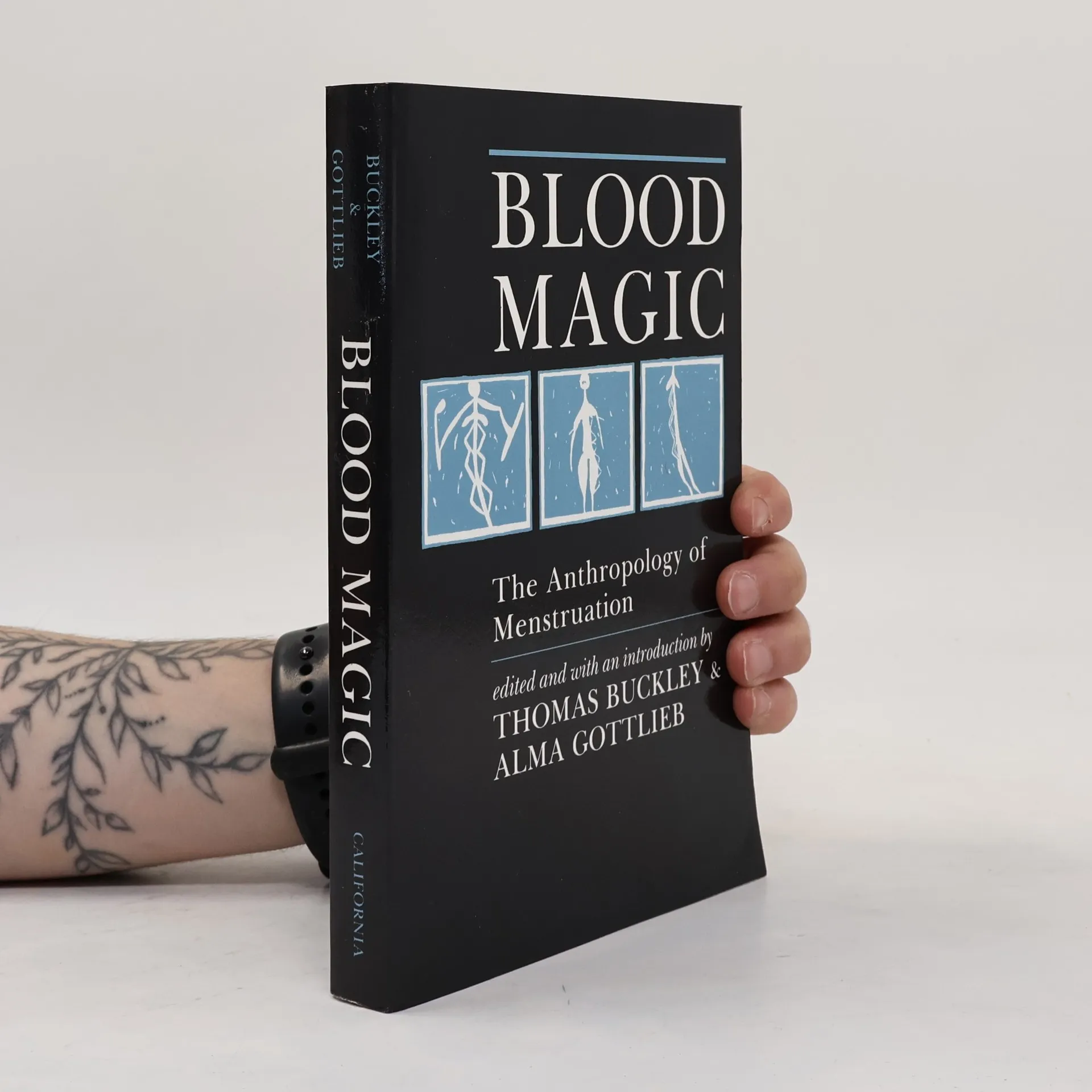
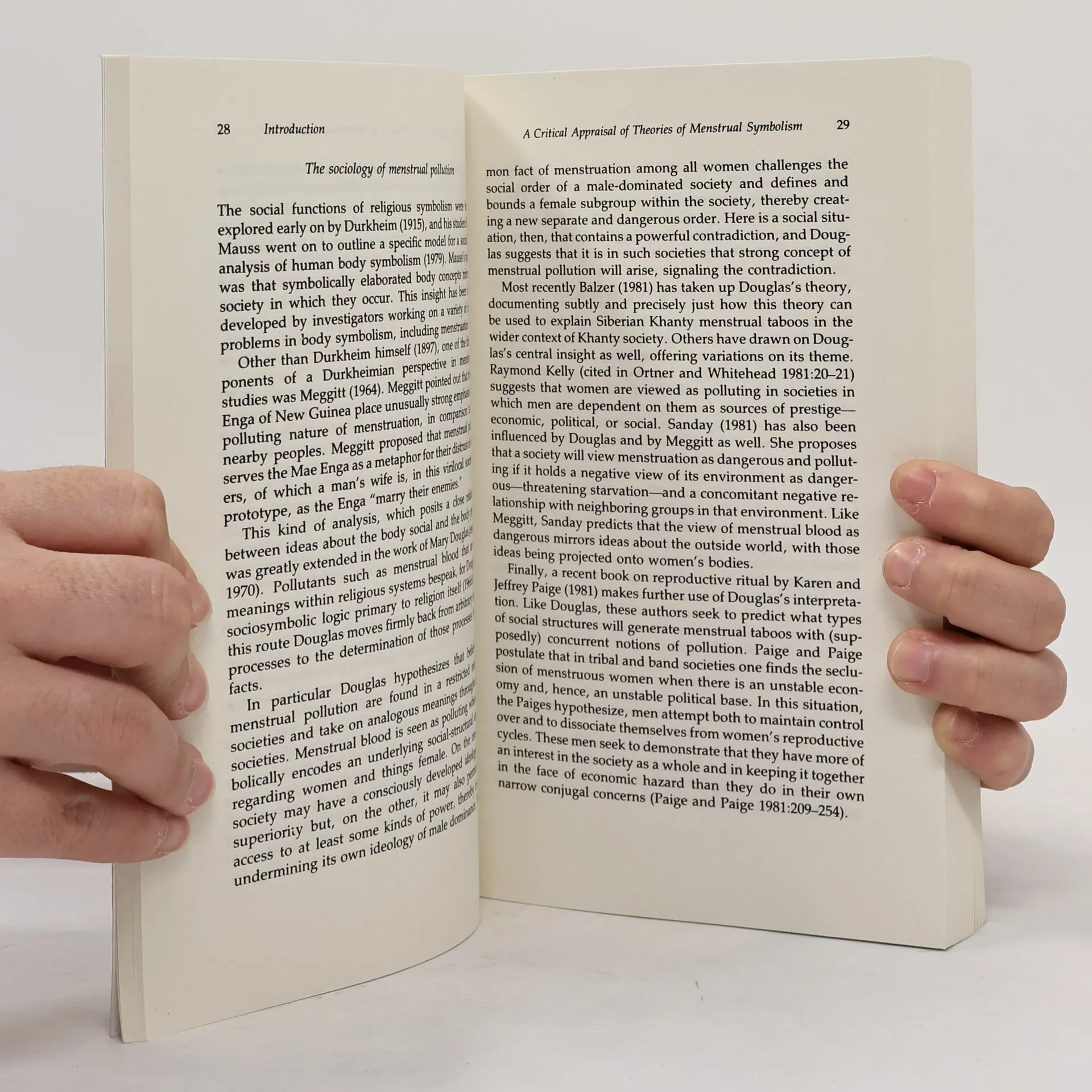
Examining cultures as diverse as long-house dwellers in North Borneo, African farmers, Welsh housewives, and postindustrial American workers, this volume dramatically redefines the anthropological study of menstrual customs. It challenges the widespread image of a universal "menstrual taboo" as well as the common assumption of universal female subordination which underlies it. Contributing important new material and perspectives to our understanding of comparative gender politics and symbolism, it is of particular importance to those interested in anthropology, women's studies, religion, and comparative health systems.
Een boek kopen
Blood Magic, Thomas Buckley, Alma Gottlieb
- Taal

- Jaar van publicatie
- 1988
- Bindwijze
- (Paperback)
Zodra we het ontdekt hebben, sturen we een e-mail.
Betaalmethoden
Nog niemand heeft beoordeeld.
- Titel
- Blood Magic
- Ondertitel
- The Anthropology of Menstruation
- Taal
- Engels
- Auteurs
- Thomas Buckley, Alma Gottlieb
- Uitgever
- University of California Press
- Jaar van publicatie
- 1988
- Formaat
- Paperback
- Aantal pagina's
- 342
- ISBN10
- 0520063503
- ISBN13
- 9780520063501
- Reeks
- Tags
- Psychologische thema’s, Religieuze onderwerpen, Wetenschap, Verenigde Staten, Geneeskunde, Cultuur en Samenleving, Feminisme, Afrika, Gezondheidszorg, Cultuur, Folklore, Gender, Godsdienstwetenschap, Fysiologie, Sociale aspecten, Menstruatie
- Aantekening
- Examining cultures as diverse as long-house dwellers in North Borneo, African farmers, Welsh housewives, and postindustrial American workers, this volume dramatically redefines the anthropological study of menstrual customs. It challenges the widespread image of a universal "menstrual taboo" as well as the common assumption of universal female subordination which underlies it. Contributing important new material and perspectives to our understanding of comparative gender politics and symbolism, it is of particular importance to those interested in anthropology, women's studies, religion, and comparative health systems.