


Parameters
- 341bladzijden
- 12 uur lezen
Meer over het boek
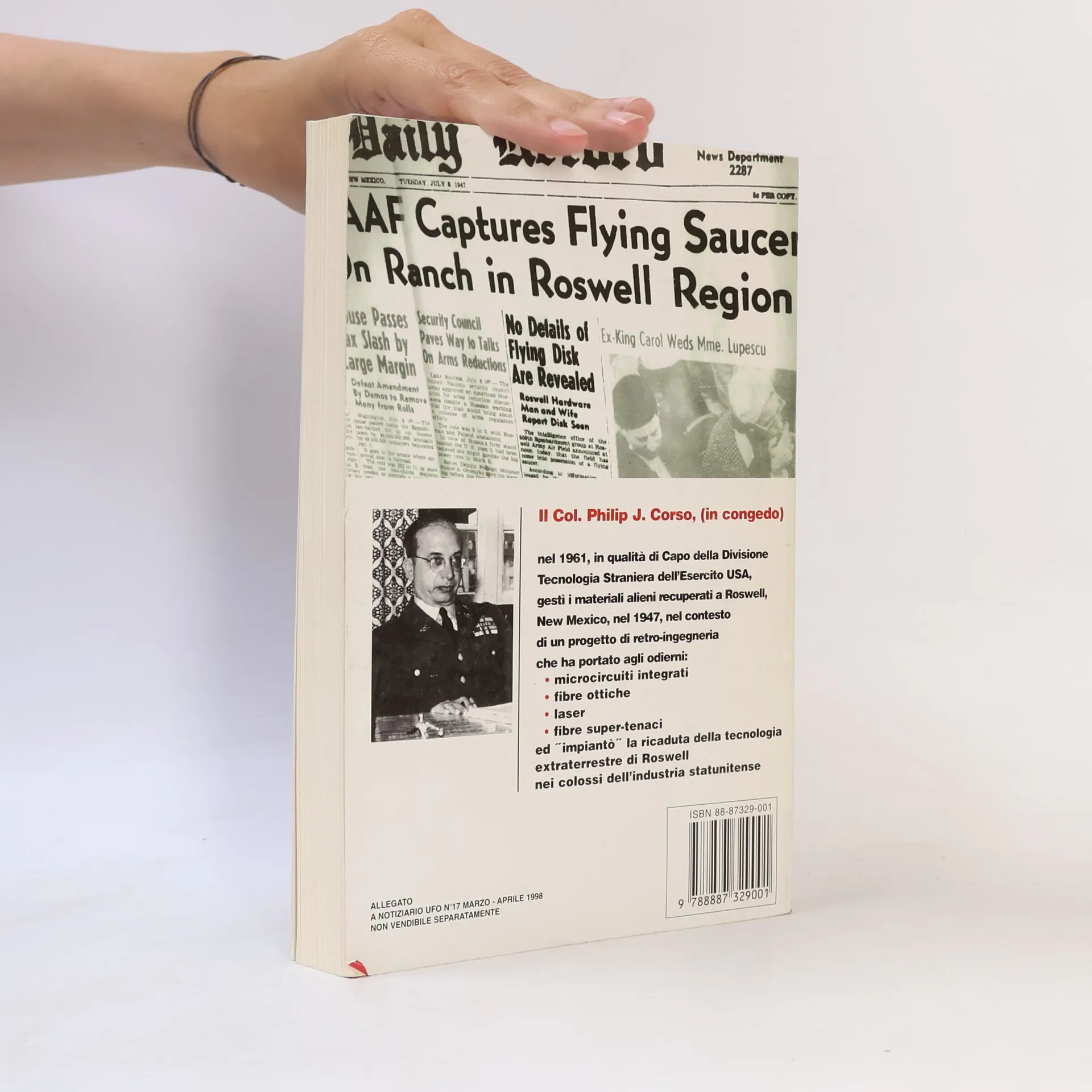
If you've ever wondered what crashed into the desert near Roswell, New Mexico, in 1947, this book will give you some startling answers. While the first version was published in hardcover in 1997, Corso provides new evidence for the presence of alien intruders in this pocket paperback edition. Whether or not you believe his contention, the sheer weight of governmental sources and documentation presented by the former Army intelligence officer is not easily dismissed. Once you understand the historical context (in the midst of the Cold War soon after World War II, with Orson Welles having recently inspired panic in citizens with his fictional War of the Worlds radio broadcast), the military deciding to cover up a real-life alien ship becomes more credible. Corso also gives a convincing explanation of why reports were so multi-various and conflicting. Even if you believe the book is utter fiction, it's still a compelling read. --Randall Cohan


Een boek kopen
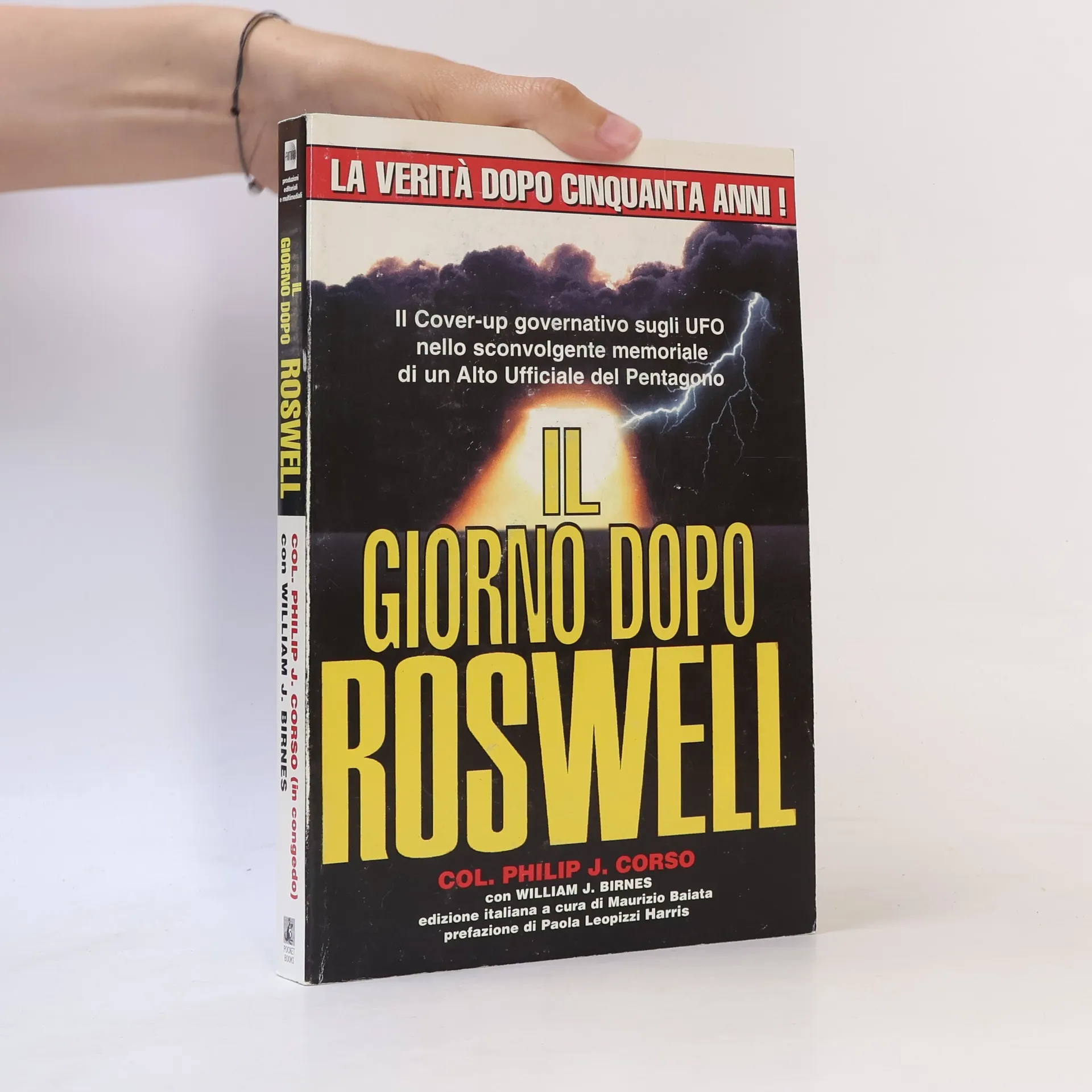
Il giorno dopo Roswell, Philip J. Corso, William J. Birnes, Maurizio Baiata, Paola Leoppizzi Harris
- Taal

- Jaar van publicatie
- 1998
- Bindwijze
- (Paperback),
- Staat van het boek
- Goed
- Prijs
- € 3,69
Betaalmethoden
We missen je recensie hier.
- Titel
- Il giorno dopo Roswell
- Taal
- Italiaans
- Uitgever
- Futuro
- Jaar van publicatie
- 1998
- Formaat
- Paperback
- Aantal pagina's
- 341
- ISBN10
- 8887329001
- ISBN13
- 9788887329001
- Reeks
- Categorieën
- Tags
- Historisch thema, Wetenschap, Oorlogsproza, Bovennatuurlijke verschijnselen, Buitenaardse Wezens, Samenzwering
- Oorspronkelijke titel
- The day after Roswell
- Beoordeling
- 3,75 van 5
- Aantekening
- If you've ever wondered what crashed into the desert near Roswell, New Mexico, in 1947, this book will give you some startling answers. While the first version was published in hardcover in 1997, Corso provides new evidence for the presence of alien intruders in this pocket paperback edition. Whether or not you believe his contention, the sheer weight of governmental sources and documentation presented by the former Army intelligence officer is not easily dismissed. Once you understand the historical context (in the midst of the Cold War soon after World War II, with Orson Welles having recently inspired panic in citizens with his fictional War of the Worlds radio broadcast), the military deciding to cover up a real-life alien ship becomes more credible. Corso also gives a convincing explanation of why reports were so multi-various and conflicting. Even if you believe the book is utter fiction, it's still a compelling read. --Randall Cohan