

Parameters
- 144bladzijden
- 6 uur lezen
Meer over het boek
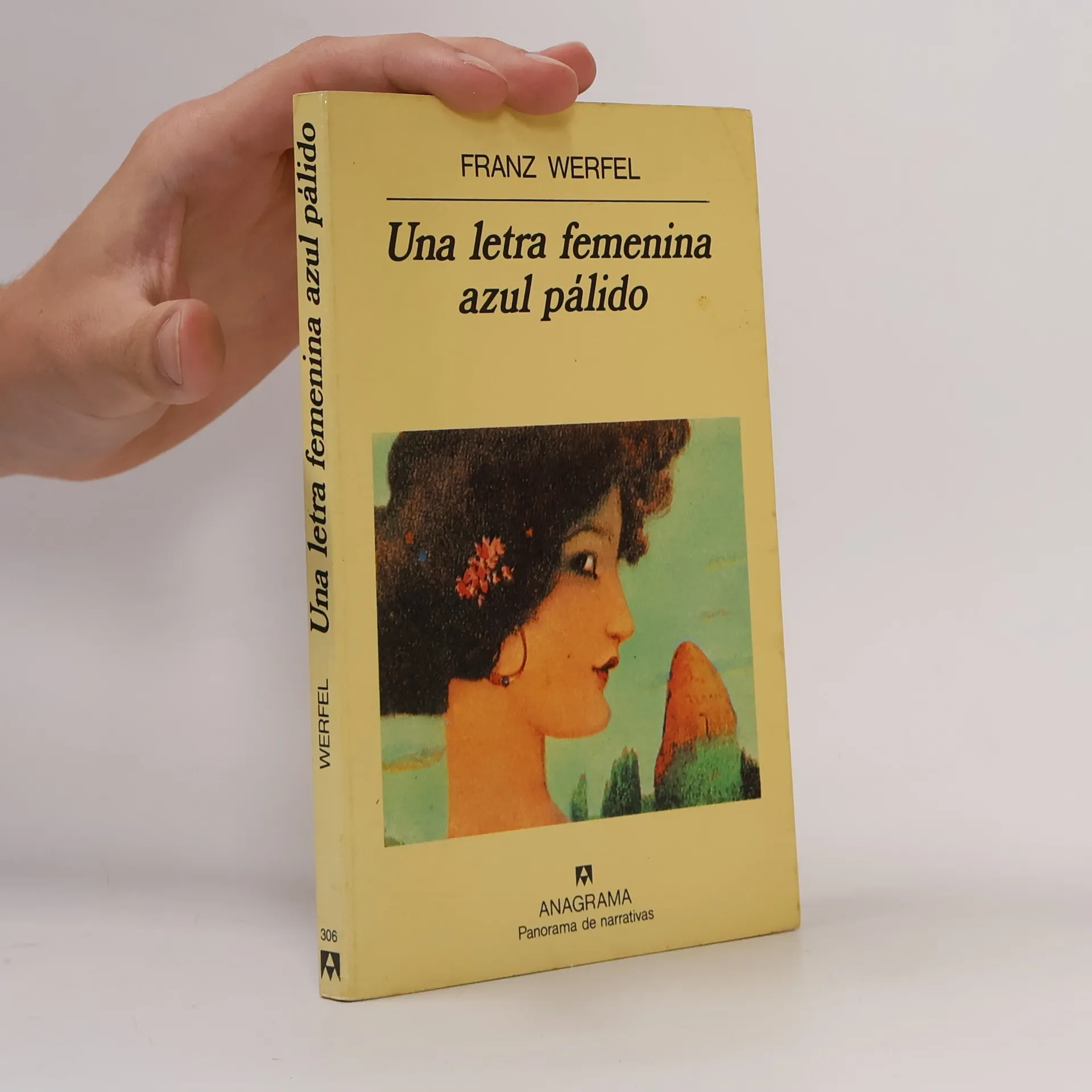
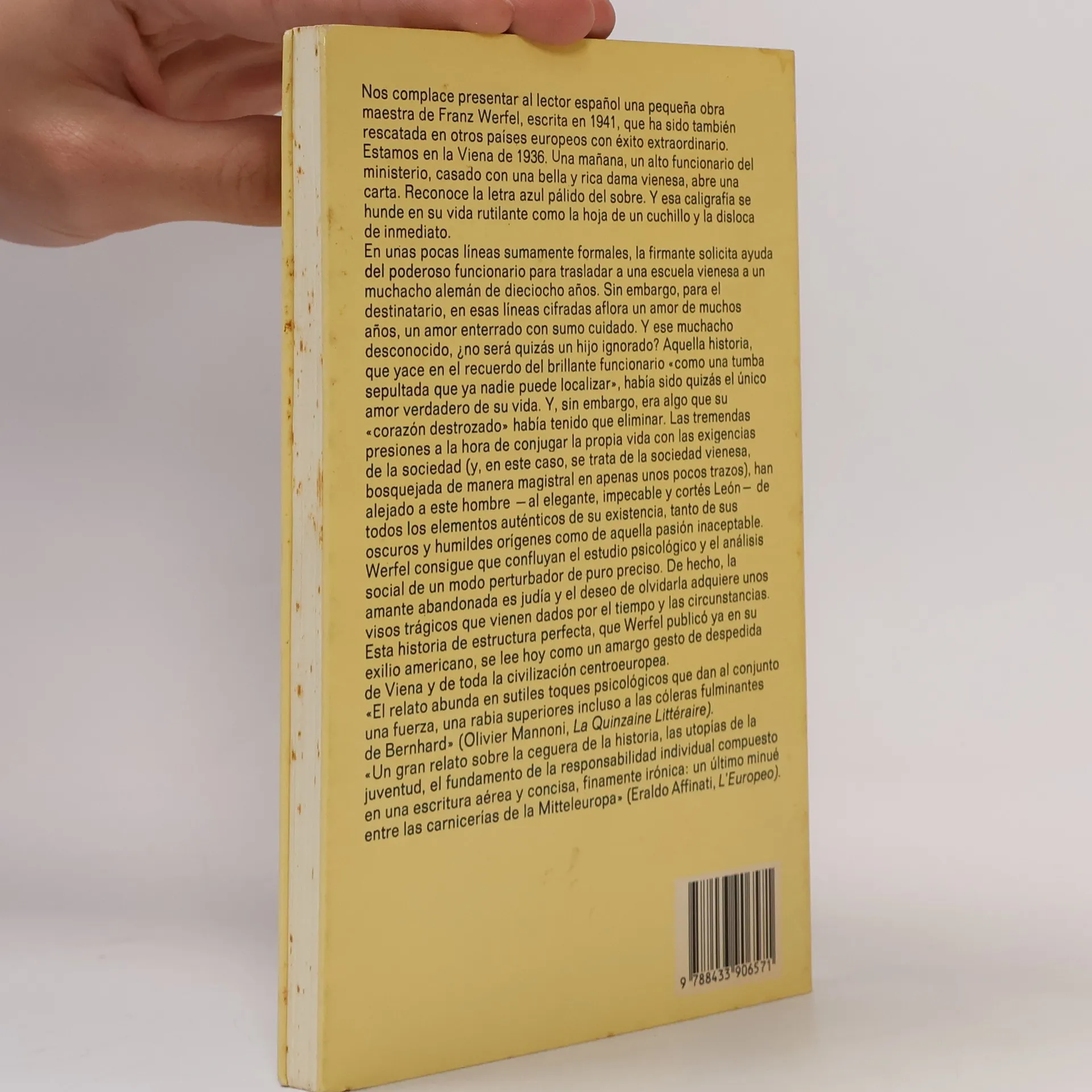
In February 1940, Franz Werfel embarked on a new short novel, a departure from his earlier bestsellers, which would unfold as a tragicomic tale reflecting a world on the brink of becoming inhospitable. This narrative serves as a prelude to Holocaust literature, centering on a suppressed love triangle involving Leonidas Tachezy, a high-ranking Austrian bureaucrat; his younger wife Amelie; and Vera Wormser, a Jewish woman from his past. Leonidas had fallen in love with Vera when she was just fourteen, but after marrying Amelie, he encounters Vera again in a German university town. He promises her marriage but ultimately withdraws from her life, returning to his comfortable existence until a letter arrives, penned in Vera's unmistakable pale blue ink. In a manner reminiscent of Humbert Humbert in Lolita, Leonidas recounts his "crime" against Vera to an imaginary courtroom, revealing the characters' evasions and self-deceptions. The story captures the essence of interwar Austria, highlighting the complexities of anti-Semitism and the diverse Austrian populace. This NEA-award-winning translation makes Werfel's novella accessible to a new generation, affirming his place alongside contemporaries like Mann, Kafka, and Musil in the literary canon.

Een boek kopen
Una letra femenina azul pálido, Franz Werfel, Juan José Del Solar Bardelli
- Taal

- Jaar van publicatie
- 1994,
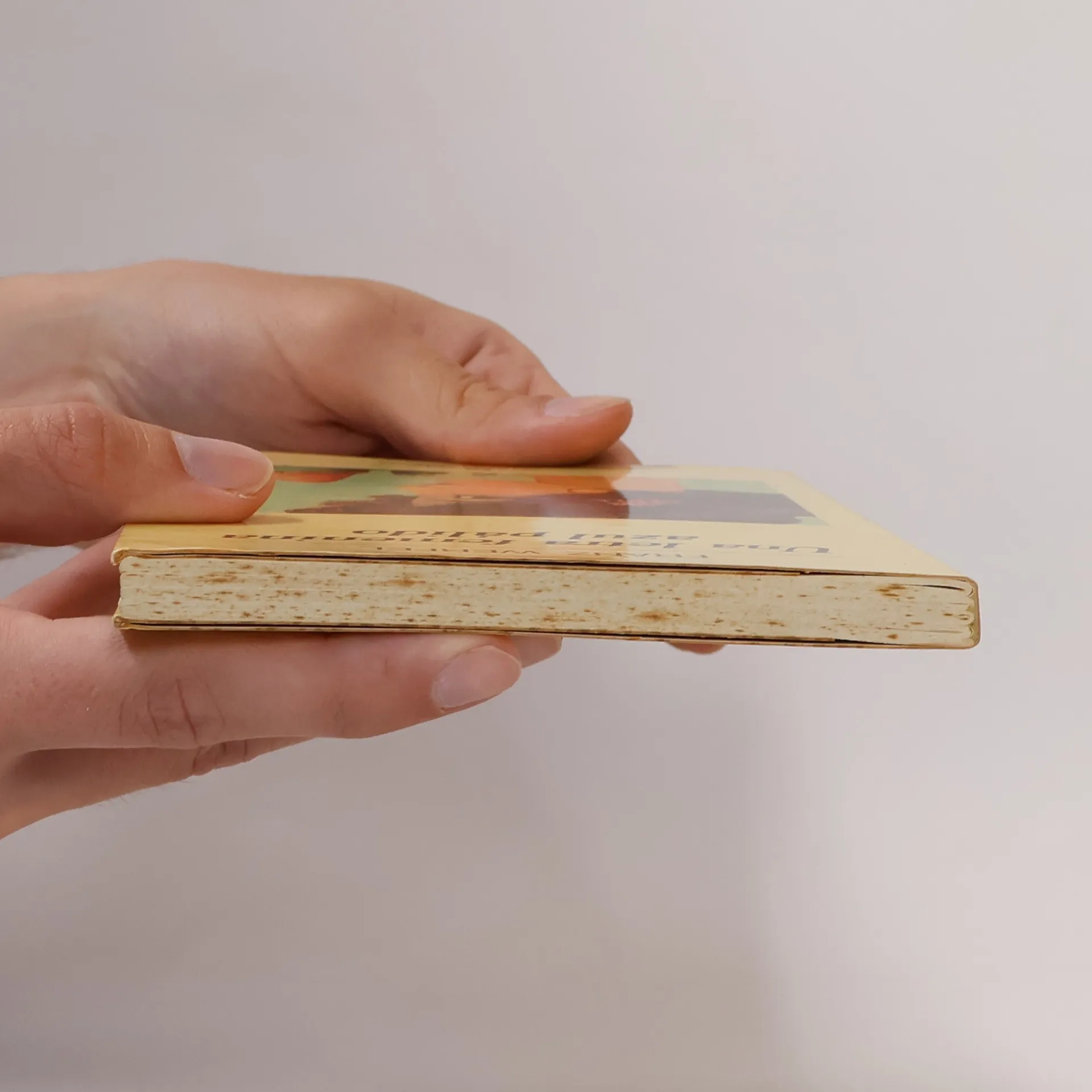
- Staat van het boek
- Beschadigd
- Prijs
- € 1,61
Betaalmethoden
We missen je recensie hier.
- Taal
- Spaans
- Uitgever
- Anagrama
- Jaar van publicatie
- 1994
- Aantal pagina's
- 144
- ISBN10
- 8433906577
- ISBN13
- 9788433906571
- Reeks
- Tags
- Fictie, Historische romans, Tsjechische literatuur, Liefde, Klassiekers, Duitse literatuur, 20e Eeuw, Oostenrijk, Matrimonium, Novelles, Brieven, Wenen, Carrière, Schandalen en Affaires, Vertelling, narratie, Zoon, Tussenoorlogse Periode
- Eerste editie
- 1941
- Oorspronkelijke titel
- Eine blassblaue Frauenschrift
- Beoordeling
- 3,85 van 5
- Aantekening
- In February 1940, Franz Werfel embarked on a new short novel, a departure from his earlier bestsellers, which would unfold as a tragicomic tale reflecting a world on the brink of becoming inhospitable. This narrative serves as a prelude to Holocaust literature, centering on a suppressed love triangle involving Leonidas Tachezy, a high-ranking Austrian bureaucrat; his younger wife Amelie; and Vera Wormser, a Jewish woman from his past. Leonidas had fallen in love with Vera when she was just fourteen, but after marrying Amelie, he encounters Vera again in a German university town. He promises her marriage but ultimately withdraws from her life, returning to his comfortable existence until a letter arrives, penned in Vera's unmistakable pale blue ink. In a manner reminiscent of Humbert Humbert in Lolita, Leonidas recounts his "crime" against Vera to an imaginary courtroom, revealing the characters' evasions and self-deceptions. The story captures the essence of interwar Austria, highlighting the complexities of anti-Semitism and the diverse Austrian populace. This NEA-award-winning translation makes Werfel's novella accessible to a new generation, affirming his place alongside contemporaries like Mann, Kafka, and Musil in the literary canon.