



Meer over het boek
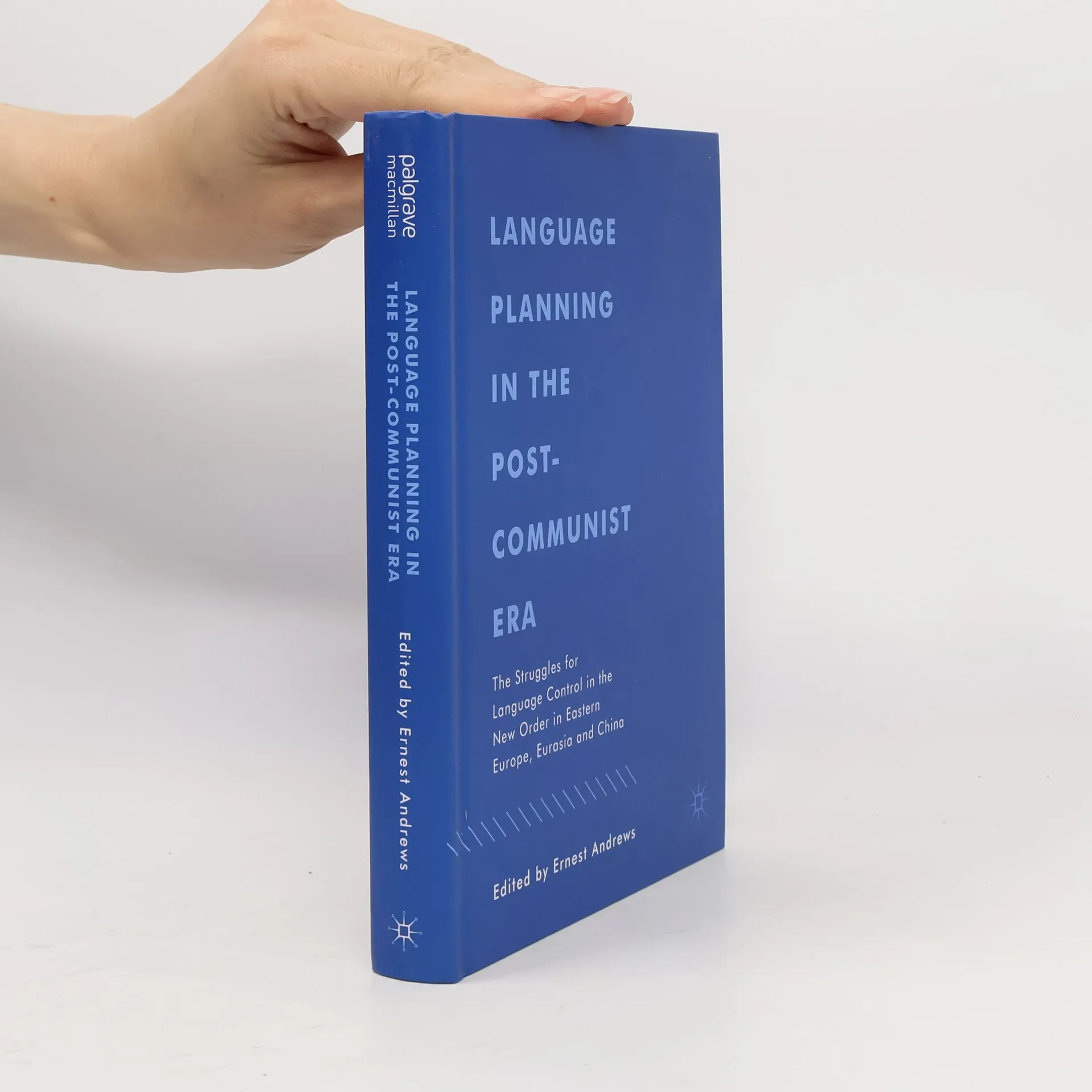
This volume provides an in-depth analysis of the attempts of language experts and governments to control language use and development in Eastern Europe, Eurasia and China through planned activities generally known as language planning or language policy. The ten case studies presented here examine language planning in China, Russia, Tatarstan, Central Asia, Ukraine, Lithuania, Latvia, Poland, Slovakia and the Czech Republic, and focus in particular on developments and disputes that have occurred since the ‘fall of communism’ and the emergence of a new order in the late 1980s. Its authors highlight the dominant issues with which language planning is invariably intertwined. These include power politics, tensions between ‘official language’ and ‘minority languages’, and the effects of a country’s particular political, social, cultural and psychological environment. Offering a detailed account of the socio-political and ideological developments that underlie language planning in these regions, this book will provide a valuable resource for students and scholars of linguistics, cultural studies, political science, sociology and history.
Een boek kopen
Language Planning in the Post-Communist Era, Robert Andrews
- Taal

- Jaar van publicatie
- 2018
- Bindwijze
- (Hardcover)
Betaalmethoden
Nog niemand heeft beoordeeld.
- Titel
- Language Planning in the Post-Communist Era
- Ondertitel
- The Struggles for Language Control in the New Order in Eastern Europe, Eurasia and China
- Taal
- Engels
- Auteurs
- Robert Andrews
- Uitgever
- Palgrave Macmillan
- Jaar van publicatie
- 2018
- Formaat
- Hardcover
- Aantal pagina's
- 329
- ISBN10
- 3319709259
- ISBN13
- 9783319709253
- Reeks
- Tags
- Historisch thema, Politiek, 20e Eeuw, Europa, Rusland, Linguïstiek, Azië, China, Politieke theorieën, Tsjechische Republiek, Zwitserland, Polen (staat), Slowakije, Oekraïne, Oost-Europa, Geopolitiek, Taalgeschiedenis, Sociolinguïstiek, Litouwen, Letland, Politieke Geografie
- Aantekening
- This volume provides an in-depth analysis of the attempts of language experts and governments to control language use and development in Eastern Europe, Eurasia and China through planned activities generally known as language planning or language policy. The ten case studies presented here examine language planning in China, Russia, Tatarstan, Central Asia, Ukraine, Lithuania, Latvia, Poland, Slovakia and the Czech Republic, and focus in particular on developments and disputes that have occurred since the ‘fall of communism’ and the emergence of a new order in the late 1980s. Its authors highlight the dominant issues with which language planning is invariably intertwined. These include power politics, tensions between ‘official language’ and ‘minority languages’, and the effects of a country’s particular political, social, cultural and psychological environment. Offering a detailed account of the socio-political and ideological developments that underlie language planning in these regions, this book will provide a valuable resource for students and scholars of linguistics, cultural studies, political science, sociology and history.