

Parameters
- 208bladzijden
- 8 uur lezen
Meer over het boek
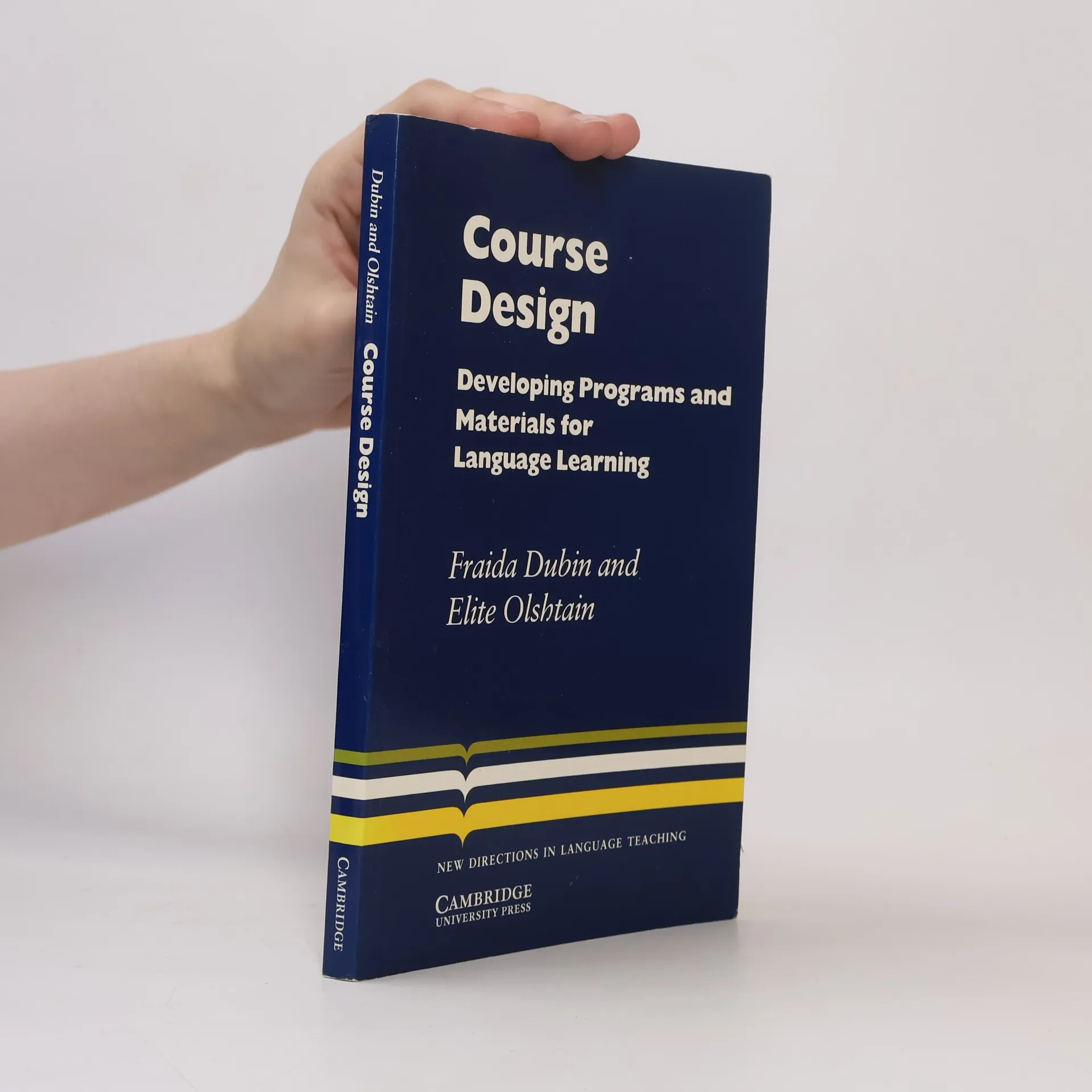
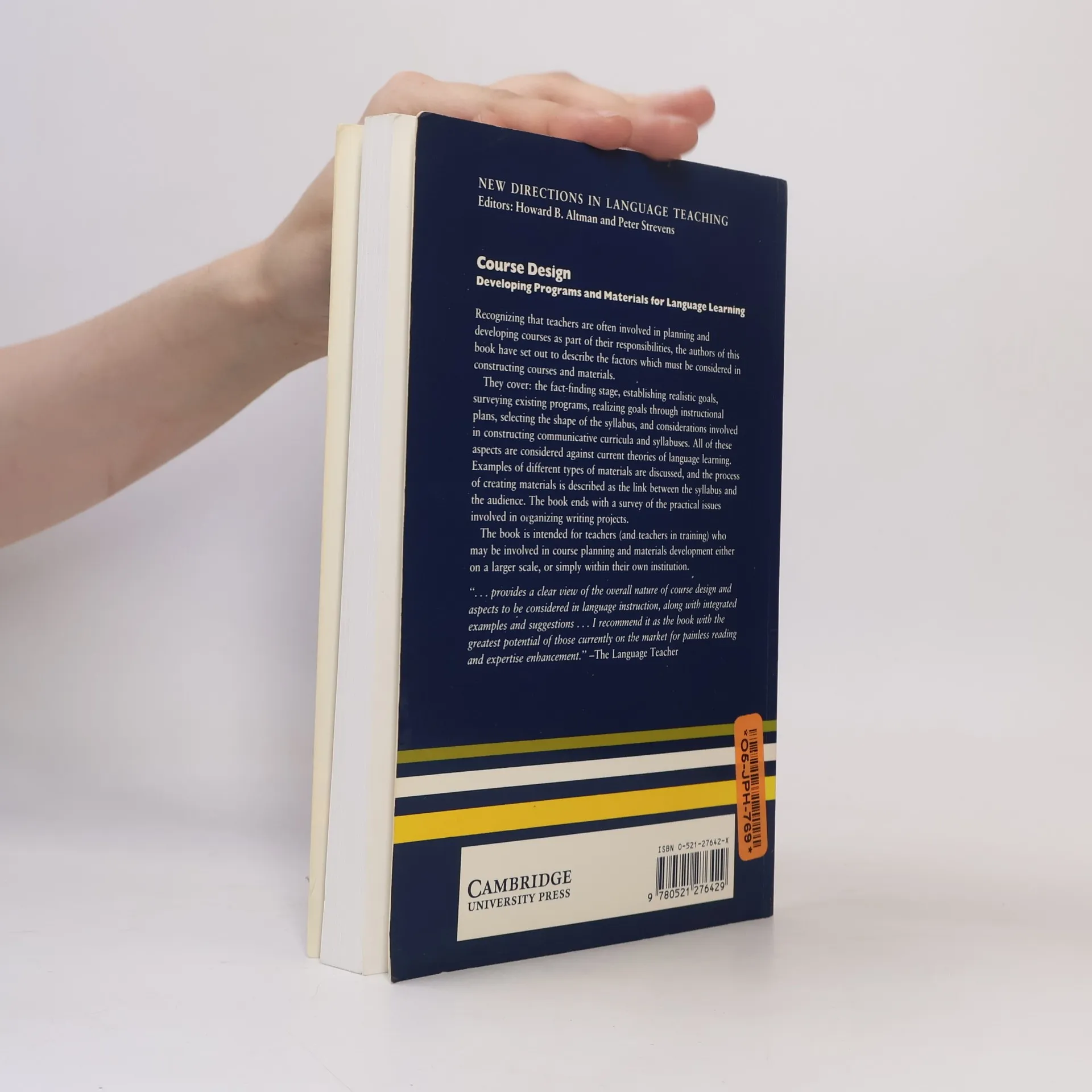
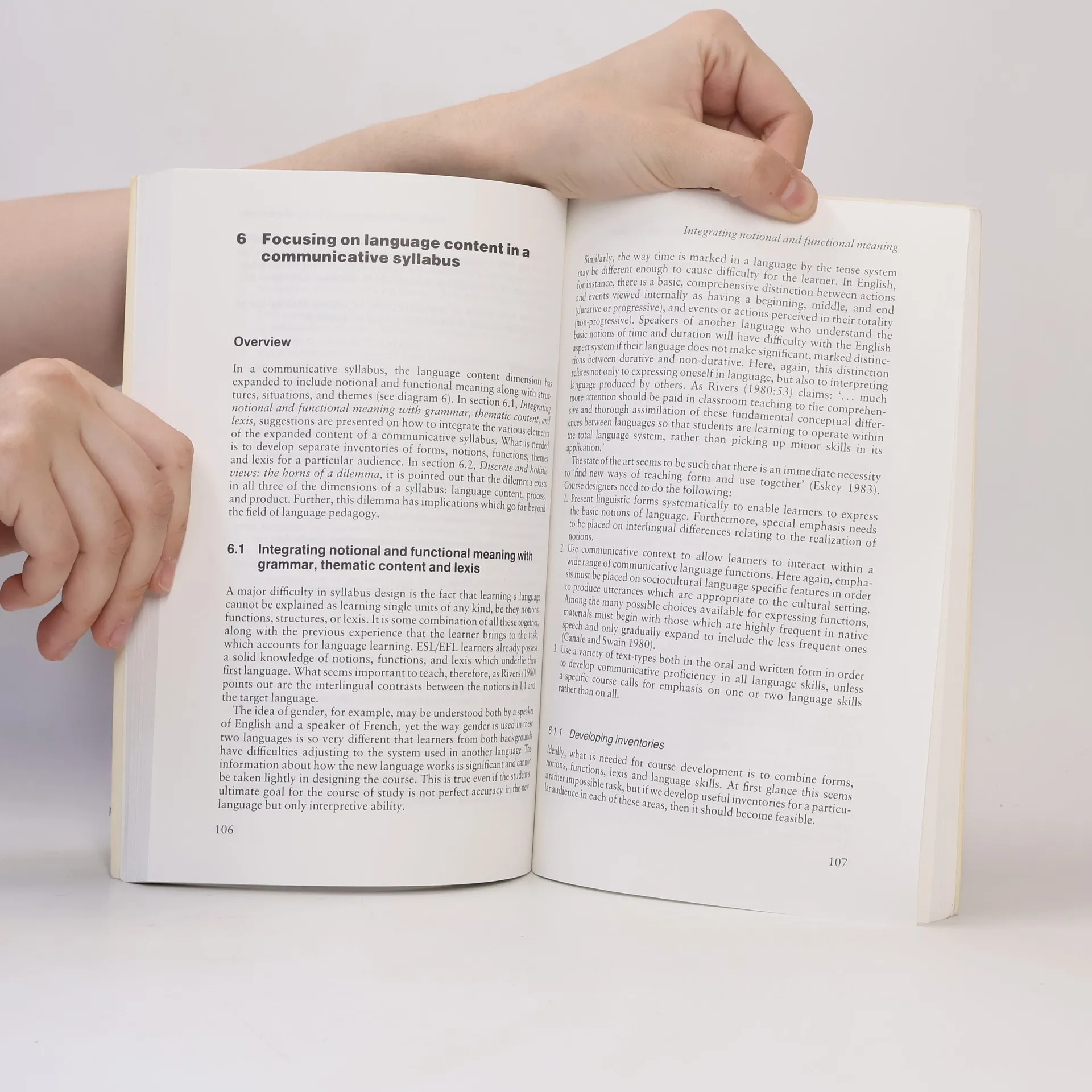
Recognizing that teachers are often involved in planning and developing courses as part of their responsibilities, the authors have set out to describe the factors which must be considered in constructing courses and materials. They cover: the fact-finding stage, establishing realistic goals, surveying existing programmes, realizing goals through instructional plans, selecting the shape of the syllabus, and considerations involved in constructing communicative curricula and syllabuses. All of these aspects are considered against current theories of language learning. Examples of different types of materials are discussed, and the process of creating materials is described as the link between the syllabus and the audience. It ends with a survey of the practical issues involved in organizing writing projects. It is intended for teachers (and teachers in training) who may be involved in course planning and materials development either on a larger scale, or simply within their own institution.
Een boek kopen
New Directions in Language Teaching: Course Design, Fraida Dubin, Elite Olshtain
- Taal

- Jaar van publicatie
- 1986
- Bindwijze
- (Paperback)
Betaalmethoden
Nog niemand heeft beoordeeld.
- Titel
- New Directions in Language Teaching: Course Design
- Ondertitel
- Developing Programs and Materials for Language Learning
- Taal
- Engels
- Auteurs
- Fraida Dubin, Elite Olshtain
- Uitgever
- Cambridge University Press
- Jaar van publicatie
- 1986
- Formaat
- Paperback
- Aantal pagina's
- 208
- ISBN10
- 052127642X
- ISBN13
- 9780521276429
- Reeks
- Categorieën
- Aantekening
- Recognizing that teachers are often involved in planning and developing courses as part of their responsibilities, the authors have set out to describe the factors which must be considered in constructing courses and materials. They cover: the fact-finding stage, establishing realistic goals, surveying existing programmes, realizing goals through instructional plans, selecting the shape of the syllabus, and considerations involved in constructing communicative curricula and syllabuses. All of these aspects are considered against current theories of language learning. Examples of different types of materials are discussed, and the process of creating materials is described as the link between the syllabus and the audience. It ends with a survey of the practical issues involved in organizing writing projects. It is intended for teachers (and teachers in training) who may be involved in course planning and materials development either on a larger scale, or simply within their own institution.