

Parameters
- 701bladzijden
- 25 uur lezen
Meer over het boek
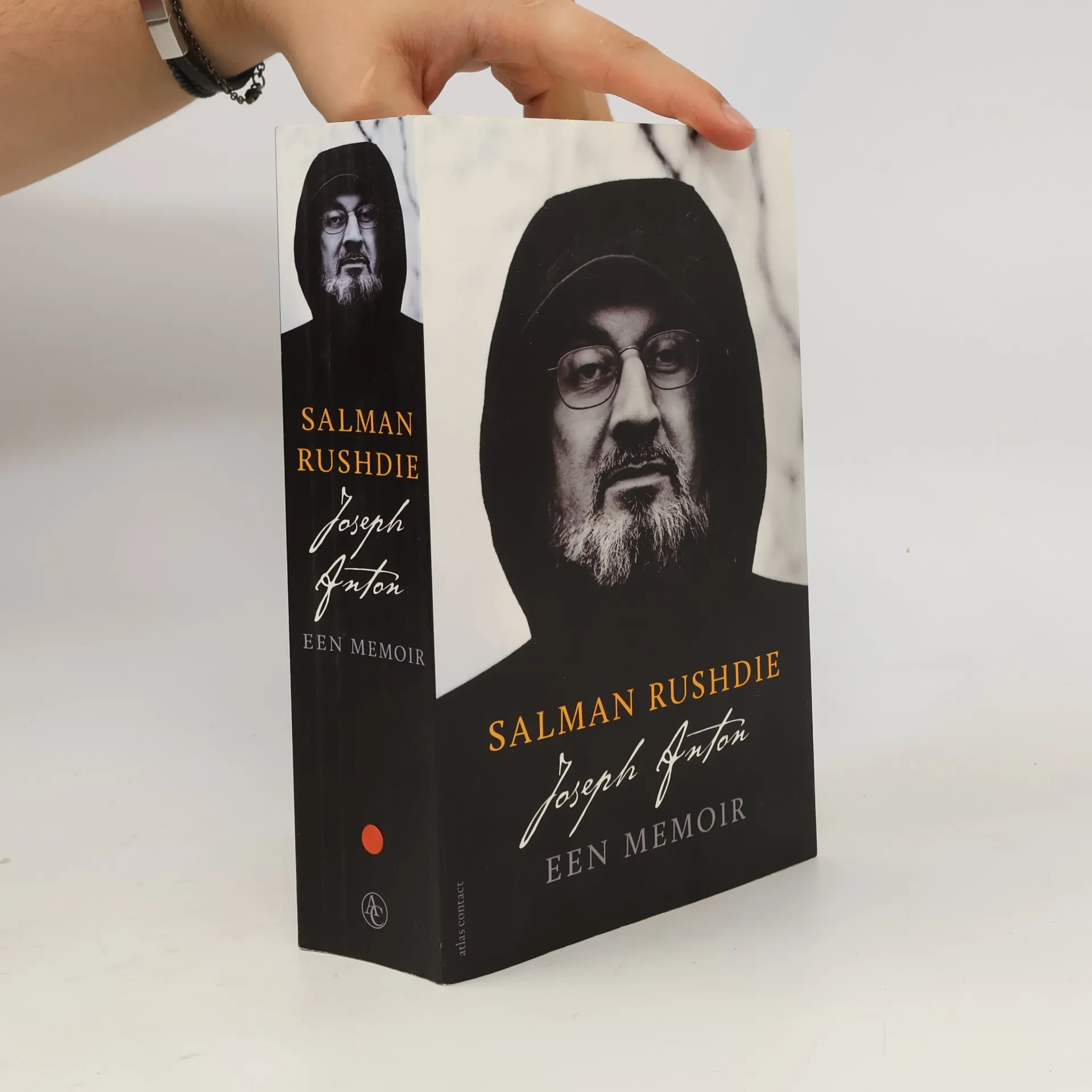
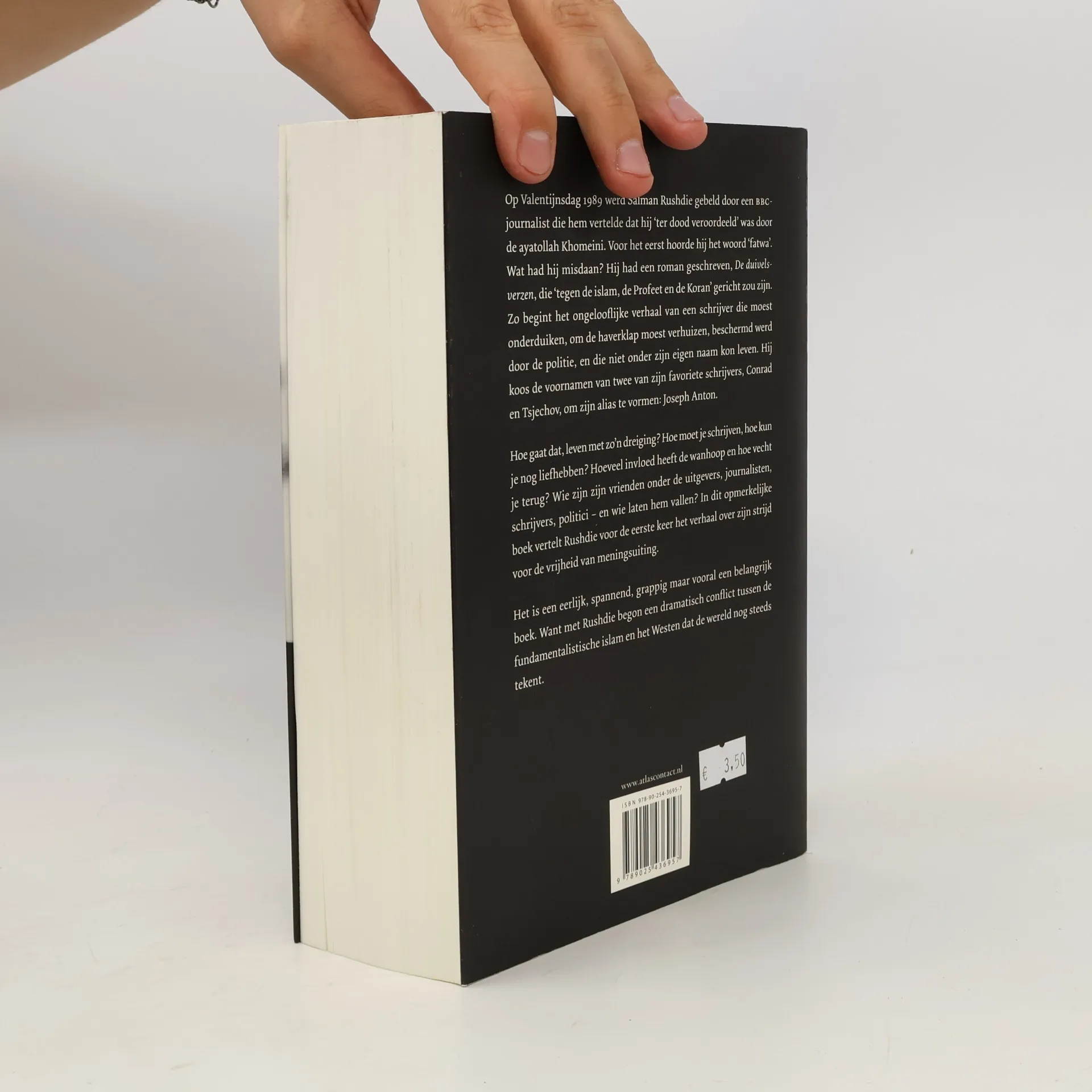
On February 14, 1989, Salman Rushdie received a call from a BBC journalist informing him that he had been “sentenced to death” by Ayatollah Khomeini. This marked the beginning of Rushdie's harrowing experience after the publication of his novel, which was deemed “against Islam, the Prophet, and the Quran.” Forced to live underground for over nine years, he moved constantly with the protection of armed police. Choosing the alias Joseph Anton, a blend of his favorite authors’ names, he navigated life under the shadow of death threats. The memoir explores how he and his family coped with the constant danger, the challenges of continuing his work, and the complexities of love and despair. Rushdie recounts the realities of living with armed guards, the relationships he built with them, and his quest for support from various sectors, including governments and fellow writers. This remarkable narrative not only details his personal struggle but also highlights the broader battle for freedom of speech. Compelling and moving, it reflects on the ongoing relevance of his experience in a world where similar dramas unfold daily.


Een boek kopen
Joseph Anton, Salman Rushdie
- Taal

- Jaar van publicatie
- 2012
- Bindwijze
- (Paperback)
Betaalmethoden
We missen je recensie hier.
- Titel
- Joseph Anton
- Ondertitel
- Een Memoir
- Taal
- Nederlands
- Auteurs
- Salman Rushdie
- Uitgever
- Contact
- Jaar van publicatie
- 2012
- Formaat
- Paperback
- Aantal pagina's
- 701
- ISBN10
- 9025436951
- ISBN13
- 9789025436957
- Reeks
- Categorieën
- Oorspronkelijke titel
- Joseph Anton
- Beoordeling
- 3,6 van 5
- Aantekening
- On February 14, 1989, Salman Rushdie received a call from a BBC journalist informing him that he had been “sentenced to death” by Ayatollah Khomeini. This marked the beginning of Rushdie's harrowing experience after the publication of his novel, which was deemed “against Islam, the Prophet, and the Quran.” Forced to live underground for over nine years, he moved constantly with the protection of armed police. Choosing the alias Joseph Anton, a blend of his favorite authors’ names, he navigated life under the shadow of death threats. The memoir explores how he and his family coped with the constant danger, the challenges of continuing his work, and the complexities of love and despair. Rushdie recounts the realities of living with armed guards, the relationships he built with them, and his quest for support from various sectors, including governments and fellow writers. This remarkable narrative not only details his personal struggle but also highlights the broader battle for freedom of speech. Compelling and moving, it reflects on the ongoing relevance of his experience in a world where similar dramas unfold daily.