

Parameters
- 215bladzijden
- 8 uur lezen
Meer over het boek
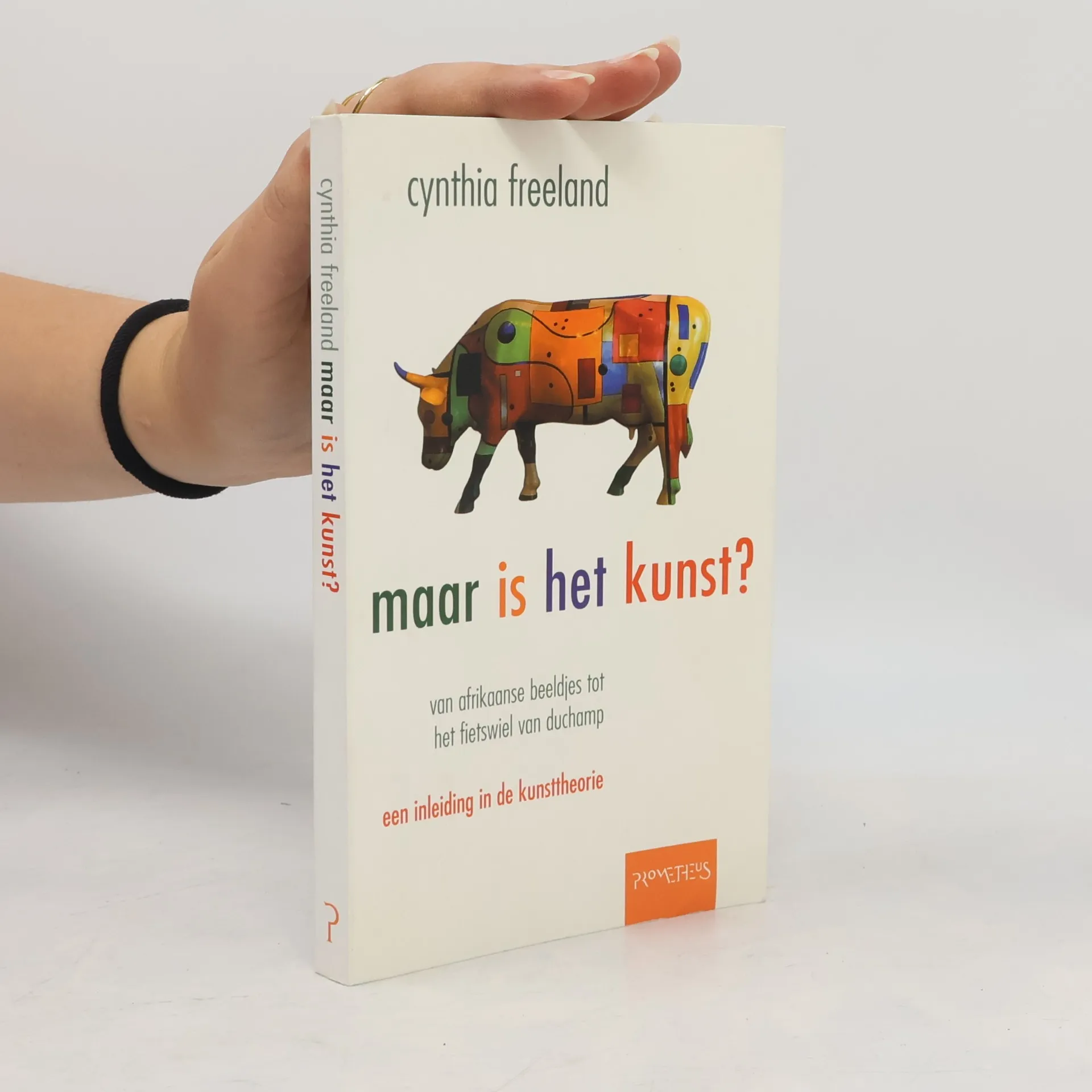
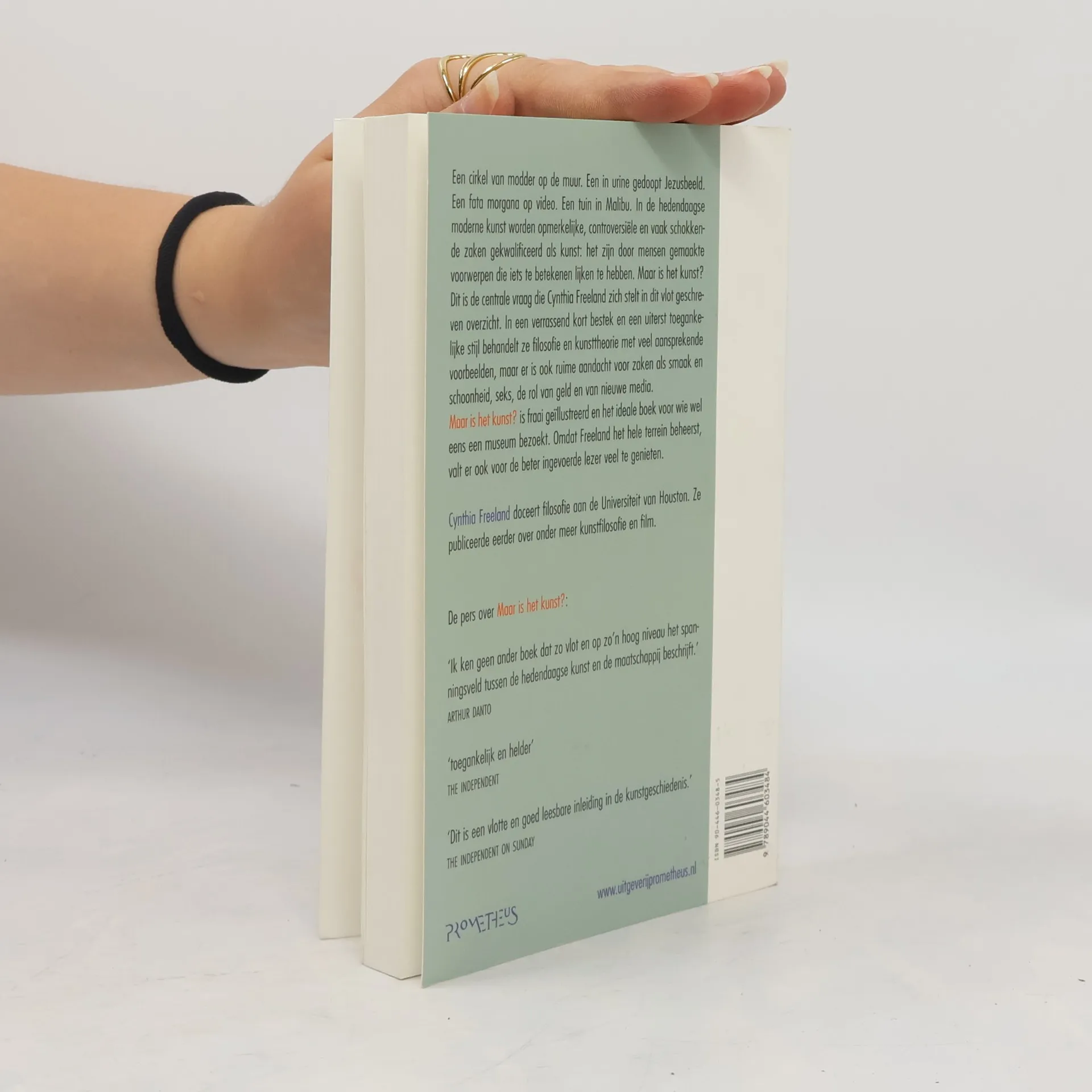
In today's art world, from Andy Warhol's Brillo boxes to shocking dung-splattered madonnas, viewers often question the nature of art. This insightful primer on aesthetics delves into why innovation and controversy are so valued, blending philosophy and art theory with engaging examples. The author explores the cultural meanings of art across various contexts, connecting modern sensational works to historical traditions, including the Parthenon, the Chartres cathedral, and African nkisi nkondi statues. She addresses the challenges of interpretation and examines scientific research on how the brain perceives art, while also considering emerging forms like web art and video art. The discussion includes influential theorists from Aristotle to Baudrillard, providing a nuanced understanding of how cultural significance is embodied in art. The author emphasizes the importance of challenging perceptions, noting that what was once deemed outrageous, like Henri Matisse's bold colors, can evolve into beauty over time. Ultimately, this exploration reveals the ever-changing landscape of art and its profound impact on society.


Een boek kopen
Maar is het kunst? Een inleiding in de kunsttheorie, Cynthia A. Freeland, Constance Ruth Visser-Wood
- Taal

- Jaar van publicatie
- 2004
- Bindwijze
- (Paperback)
Betaalmethoden
We missen je recensie hier.
- Titel
- Maar is het kunst? Een inleiding in de kunsttheorie
- Taal
- Nederlands
- Uitgever
- Prometheus
- Jaar van publicatie
- 2004
- Formaat
- Paperback
- Aantal pagina's
- 215
- ISBN10
- 9044603485
- ISBN13
- 9789044603484
- Reeks
- Categorieën
- Tags
- Filosofisch thema, Kunst, Cultuur en Samenleving, Kunstgeschiedenis, Wetenschappelijke Theorien, Kritiek
- Beoordeling
- 3,75 van 5
- Aantekening
- In today's art world, from Andy Warhol's Brillo boxes to shocking dung-splattered madonnas, viewers often question the nature of art. This insightful primer on aesthetics delves into why innovation and controversy are so valued, blending philosophy and art theory with engaging examples. The author explores the cultural meanings of art across various contexts, connecting modern sensational works to historical traditions, including the Parthenon, the Chartres cathedral, and African nkisi nkondi statues. She addresses the challenges of interpretation and examines scientific research on how the brain perceives art, while also considering emerging forms like web art and video art. The discussion includes influential theorists from Aristotle to Baudrillard, providing a nuanced understanding of how cultural significance is embodied in art. The author emphasizes the importance of challenging perceptions, noting that what was once deemed outrageous, like Henri Matisse's bold colors, can evolve into beauty over time. Ultimately, this exploration reveals the ever-changing landscape of art and its profound impact on society.