

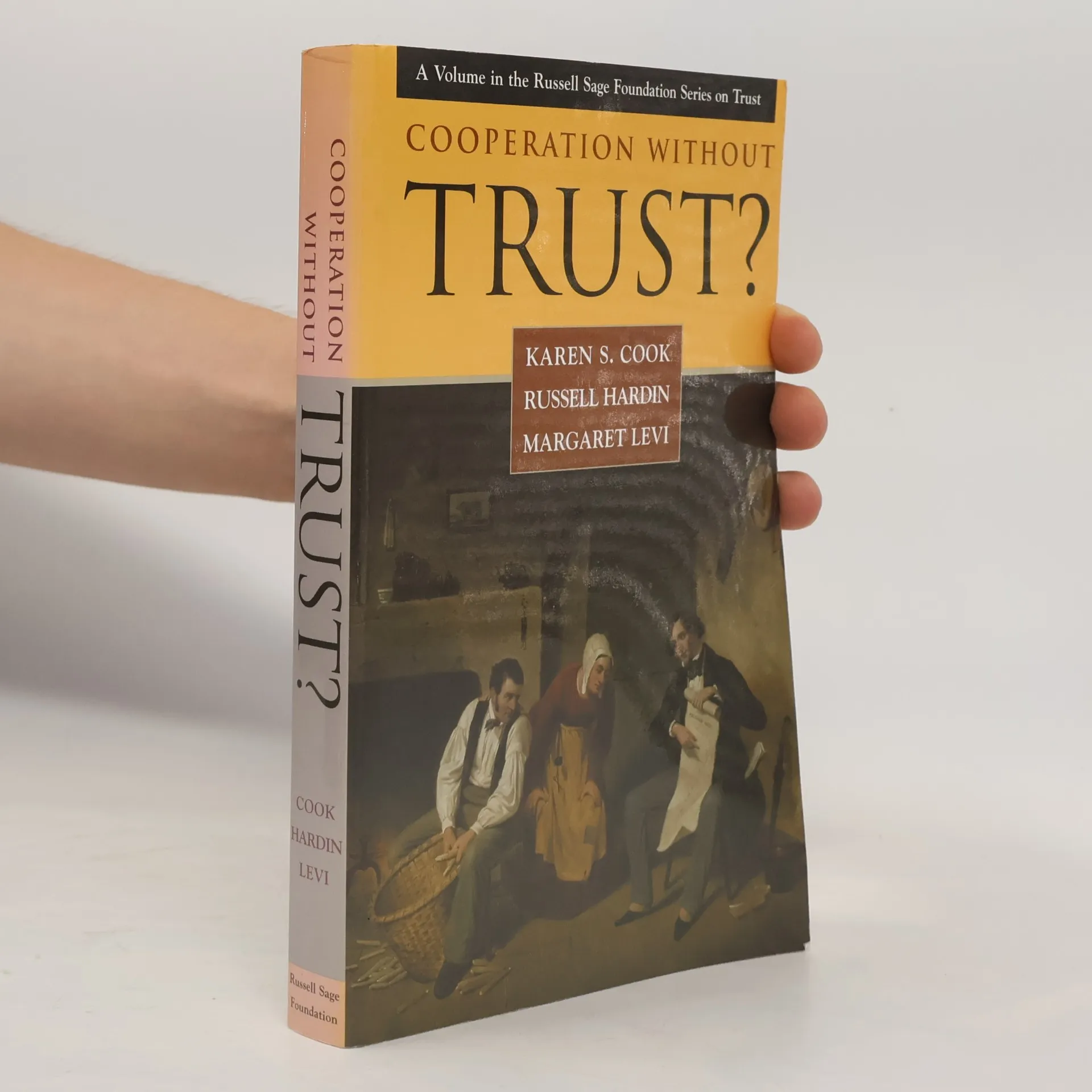
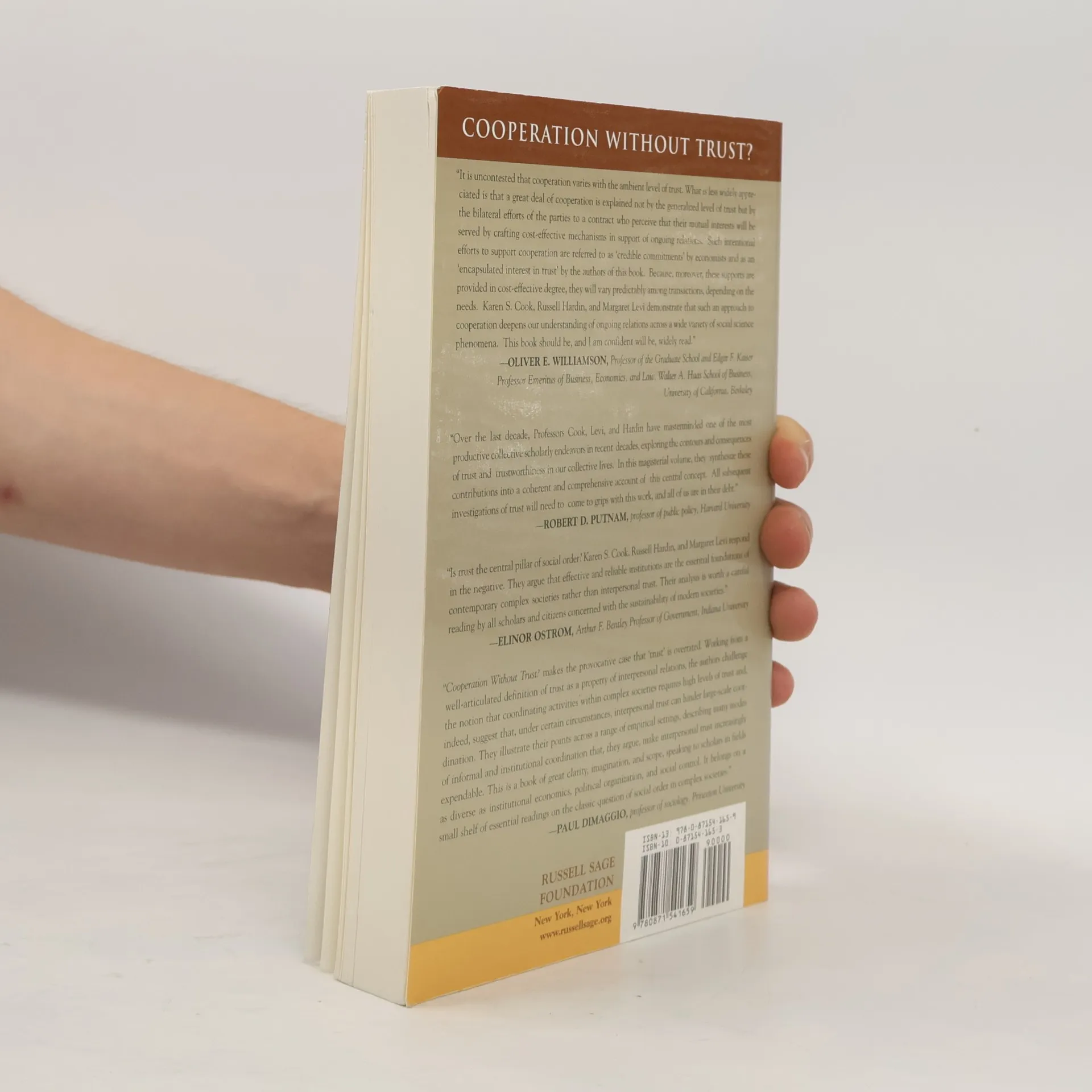

Meer over het boek
Some social theorists assert that trust is essential for a democratic society's smooth functioning, yet recent surveys indicate a decline in trust in the United States. This raises concerns about the nation's future. In their analysis, the authors argue that a society can still operate effectively without trust. While trust can enhance relationships, they demonstrate that mutually beneficial cooperation can occur through other mechanisms. For instance, concerns about reputation can deter individuals from breaking agreements in small communities, while state enforcement of contracts allows business partners to trade without needing to trust each other. Monitoring employee behavior enables employers to delegate significant responsibilities without relying on trust. The authors explore various mechanisms for fostering cooperation without trust, including self-regulation in professional societies, management compensation schemes, and social capital networks. They suggest that a lack of trust, or even distrust, can sometimes foster cooperation by prompting individuals to mitigate risks and develop robust institutions. Historical examples, such as the founding fathers' distrust of government, illustrate how such skepticism led to accountable governance structures. Ultimately, the book posits that trust may complement, rather than replace, institutional mechanisms, indicating that a decline in trust does not necessarily threaten soci
Een boek kopen
Russell Sage Foundation Series on Trust: Cooperation Without Trust?, Karen S. Cook, Russell Hardin, Margaret Levine Young
- Taal

- Jaar van publicatie
- 2007
- Bindwijze
- (Paperback),
- Staat van het boek
- Zeer goed
- Prijs
- € 7,79
Betaalmethoden
Nog niemand heeft beoordeeld.
- Titel
- Russell Sage Foundation Series on Trust: Cooperation Without Trust?
- Taal
- Engels
- Uitgever
- Russell Sage Foundation
- Jaar van publicatie
- 2007
- Formaat
- Paperback
- Aantal pagina's
- 253
- ISBN10
- 0871541653
- ISBN13
- 9780871541659
- Reeks
- Categorieën
- Tags
- Aantekening
- Some social theorists assert that trust is essential for a democratic society's smooth functioning, yet recent surveys indicate a decline in trust in the United States. This raises concerns about the nation's future. In their analysis, the authors argue that a society can still operate effectively without trust. While trust can enhance relationships, they demonstrate that mutually beneficial cooperation can occur through other mechanisms. For instance, concerns about reputation can deter individuals from breaking agreements in small communities, while state enforcement of contracts allows business partners to trade without needing to trust each other. Monitoring employee behavior enables employers to delegate significant responsibilities without relying on trust. The authors explore various mechanisms for fostering cooperation without trust, including self-regulation in professional societies, management compensation schemes, and social capital networks. They suggest that a lack of trust, or even distrust, can sometimes foster cooperation by prompting individuals to mitigate risks and develop robust institutions. Historical examples, such as the founding fathers' distrust of government, illustrate how such skepticism led to accountable governance structures. Ultimately, the book posits that trust may complement, rather than replace, institutional mechanisms, indicating that a decline in trust does not necessarily threaten soci