


Meer over het boek
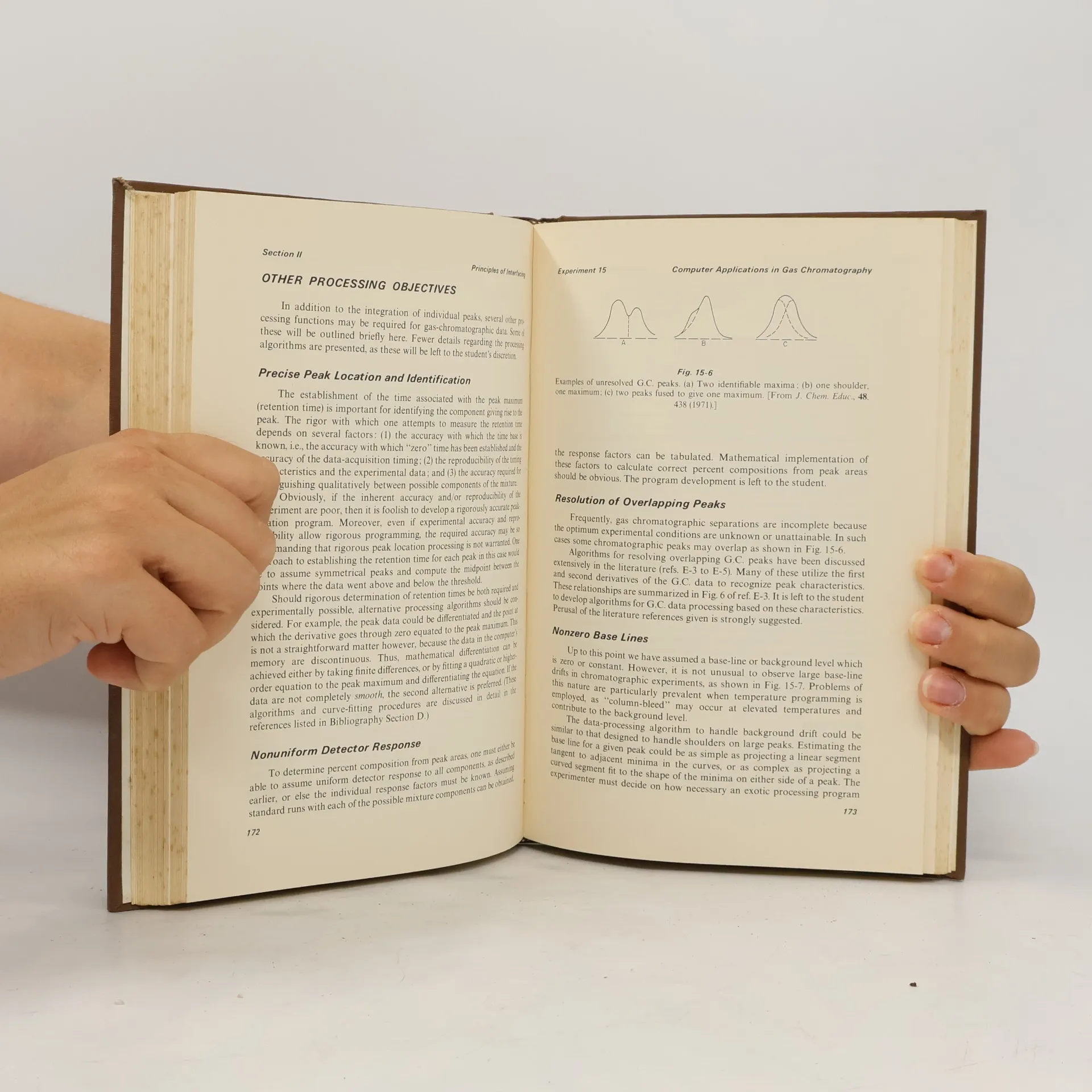
Science undergraduates now view computers as essential tools, aided by the proliferation of advanced electronic calculators that rival minicomputers. In recent years, computer-assisted experimentation has become integral to laboratory work, with mini- and microcomputer systems playing a vital role in the physical sciences. Recognizing this trend, we began developing curricular materials aimed at enhancing laboratory experiences. Our key objectives included ensuring that the experiments were thoroughly tested and error-free, compatible with various laboratory-computer and data-acquisition systems, and accessible to students with little or no prior knowledge of electronics or programming—though such background would be beneficial. To meet these goals, we chose a widely used high-level programming language, BASIC, with necessary modifications. Importantly, we did not limit the materials to specific systems or equipment; instead, we outlined the functional requirements for both hardware and software. While the experiments were developed using Varian 620 and Hewlett-Packard 2100 series computers, they are designed to be easily adapted to other commonly available computer systems with minimal effort.
Een boek kopen
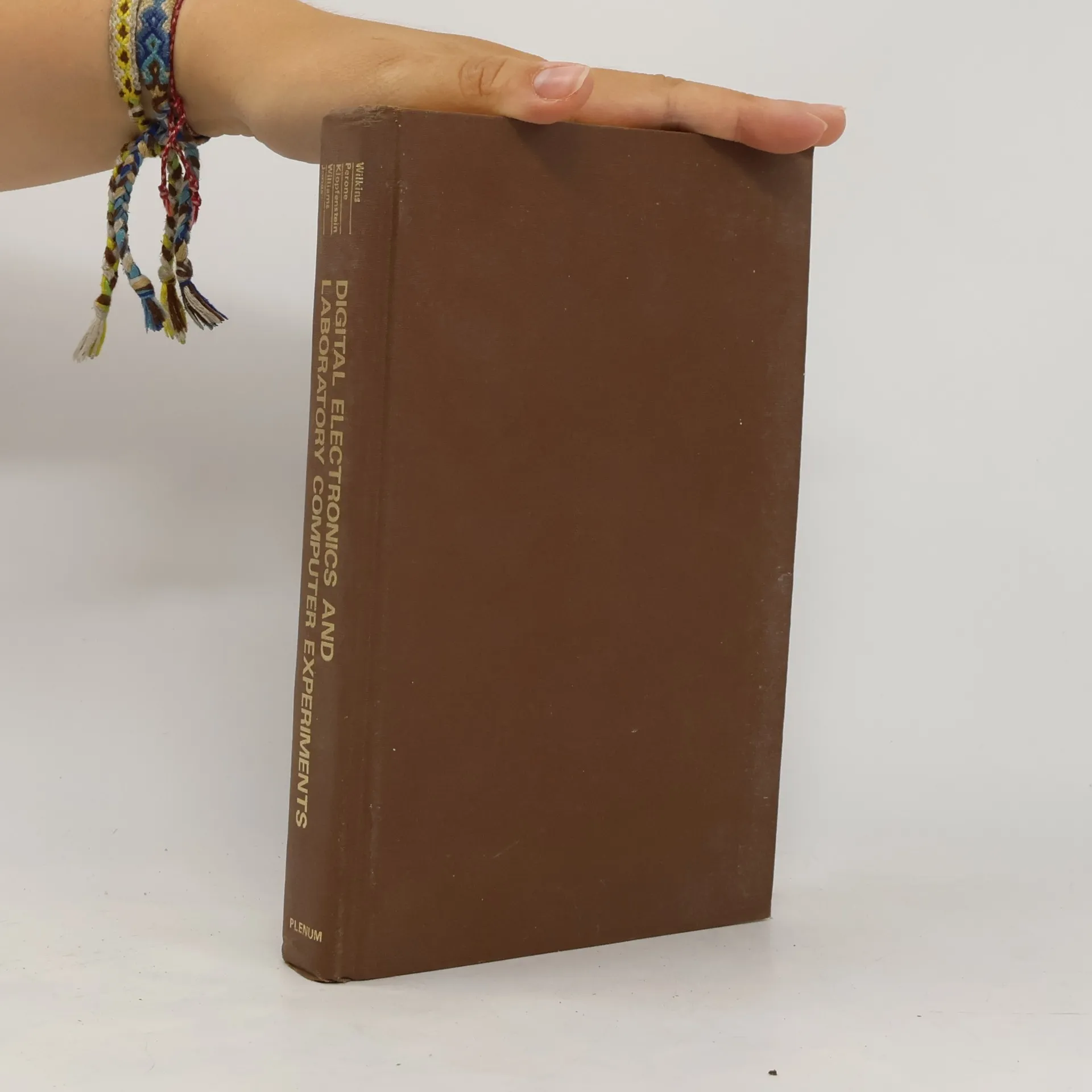
Digital Electronics and Laboratory Computer Experiments, Charles L. Wilkins, Watkins, Perone, Klopfenstein, Williams
- Taal

- Jaar van publicatie
- 1975
- Bindwijze
- (Hardcover),
- Staat van het boek
- Beschadigd
- Prijs
- € 1,86
Betaalmethoden
Nog niemand heeft beoordeeld.
- Taal
- Engels
- Auteurs
- Charles L. Wilkins, Watkins, Perone, Klopfenstein, Williams
- Uitgever
- Springer
- Jaar van publicatie
- 1975
- Formaat
- Hardcover
- Aantal pagina's
- 284
- ISBN10
- 0306308223
- ISBN13
- 9780306308222
- Reeks
- Tags
- Non-fictie, Wetenschap en Wiskunde, Natuurwetenschappen, Wetenschap, Chemie, Laboratoriumtechniek
- Aantekening
- Science undergraduates now view computers as essential tools, aided by the proliferation of advanced electronic calculators that rival minicomputers. In recent years, computer-assisted experimentation has become integral to laboratory work, with mini- and microcomputer systems playing a vital role in the physical sciences. Recognizing this trend, we began developing curricular materials aimed at enhancing laboratory experiences. Our key objectives included ensuring that the experiments were thoroughly tested and error-free, compatible with various laboratory-computer and data-acquisition systems, and accessible to students with little or no prior knowledge of electronics or programming—though such background would be beneficial. To meet these goals, we chose a widely used high-level programming language, BASIC, with necessary modifications. Importantly, we did not limit the materials to specific systems or equipment; instead, we outlined the functional requirements for both hardware and software. While the experiments were developed using Varian 620 and Hewlett-Packard 2100 series computers, they are designed to be easily adapted to other commonly available computer systems with minimal effort.