




Parameters
- 310bladzijden
- 11 uur lezen
Meer over het boek
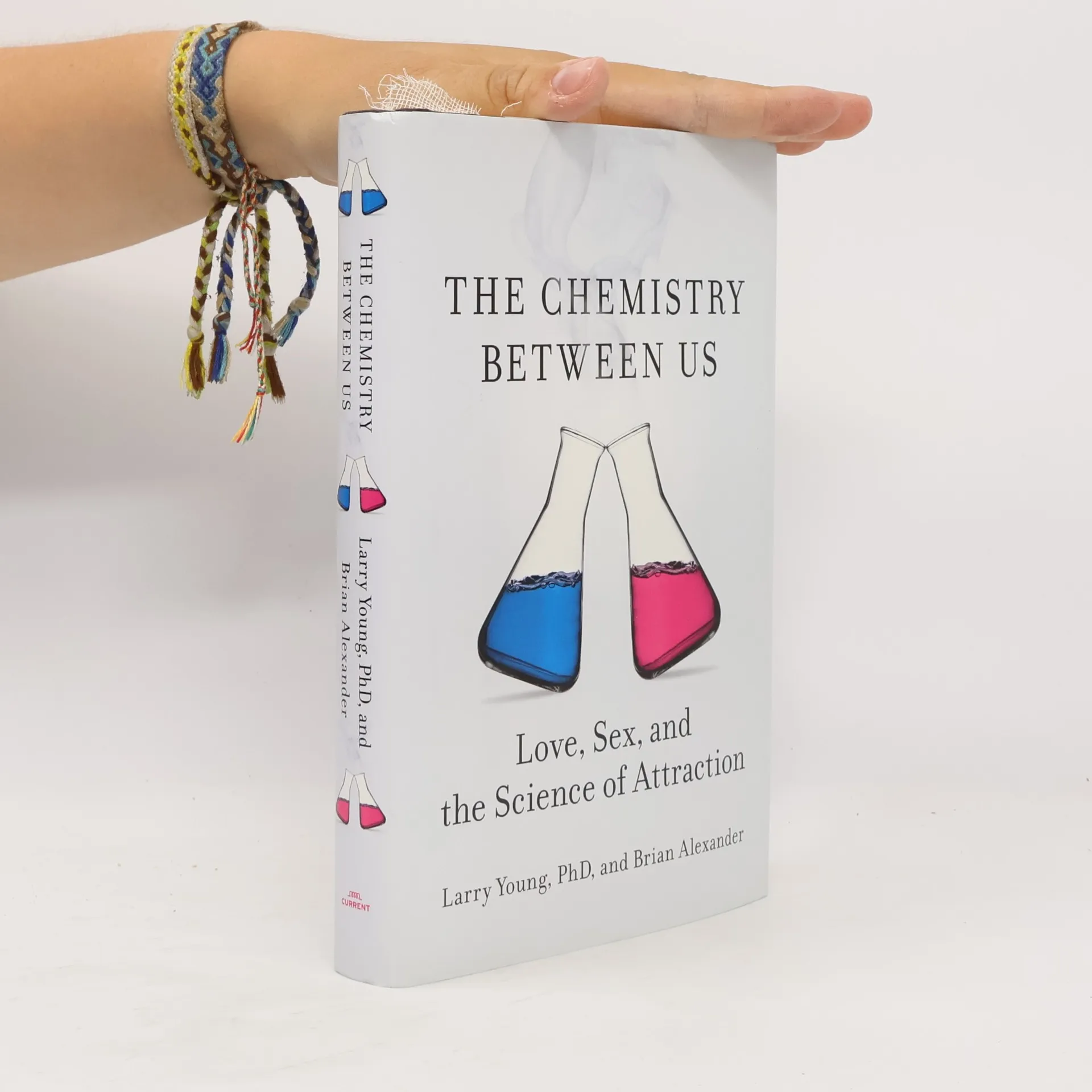
How much control do we have over love? Much less than we think. The complexities of human bonding, leading to life-changing decisions, are driven by brain chemistry. How does love begin? How do two strangers decide to share their lives? Why do some people cheat, while others remain in fading romances? What leads to attraction to the “wrong” person or the development of a “type”? Today’s social neuroscience is unraveling these perplexing behaviors. Experts Larry Young and journalist Brian Alexander explore how scientific findings relate to our experiences, using real stories and global research to propose a “grand unified theory” of love. Among the insights: love can be an addiction; a man may represent a baby to a woman in love; societal constructs of gender are more complex than they appear; and certain individuals are predisposed to infidelity. They also examine the inability to resist temptation. Young and Alexander contextualize their revelations within historical, political, and social frameworks, discussing topics like gay marriage and the implications of single-mother households. This exploration of love, sex, gender, and family life promises to be enlightening, controversial, and thought-provoking.
Een boek kopen
The Chemistry Between Us, Larry Young
- Taal

- Jaar van publicatie
- 2012
- product-detail.submit-box.info.binding
- (Hardcover),
- Staat van het boek
- Beschadigd
- Prijs
- € 11,30
Betaalmethoden
Nog niemand heeft beoordeeld.
- Ondertitel
- Love, Sex, and the Science of Attraction
- Taal
- Engels
- Auteurs
- Larry Young
- Uitgever
- Current
- Jaar van publicatie
- 2012
- Formaat
- Hardcover
- Aantal pagina's
- 310
- ISBN10
- 1591845130
- ISBN13
- 9781591845133
- Reeks
- Tags
- Non-fictie, Sociale Wetenschappen, Wetenschap en Wiskunde, Natuurwetenschappen, Psychologische thema’s, Liefde, Psychologie, Biologie, Wetenschap, Relaties, Seksualiteit & intimiteit, Neurowetenschap, Sociale Psychologie, Psychologische Aspecten
- Aantekening
- How much control do we have over love? Much less than we think. The complexities of human bonding, leading to life-changing decisions, are driven by brain chemistry. How does love begin? How do two strangers decide to share their lives? Why do some people cheat, while others remain in fading romances? What leads to attraction to the “wrong” person or the development of a “type”? Today’s social neuroscience is unraveling these perplexing behaviors. Experts Larry Young and journalist Brian Alexander explore how scientific findings relate to our experiences, using real stories and global research to propose a “grand unified theory” of love. Among the insights: love can be an addiction; a man may represent a baby to a woman in love; societal constructs of gender are more complex than they appear; and certain individuals are predisposed to infidelity. They also examine the inability to resist temptation. Young and Alexander contextualize their revelations within historical, political, and social frameworks, discussing topics like gay marriage and the implications of single-mother households. This exploration of love, sex, gender, and family life promises to be enlightening, controversial, and thought-provoking.