

Meer over het boek
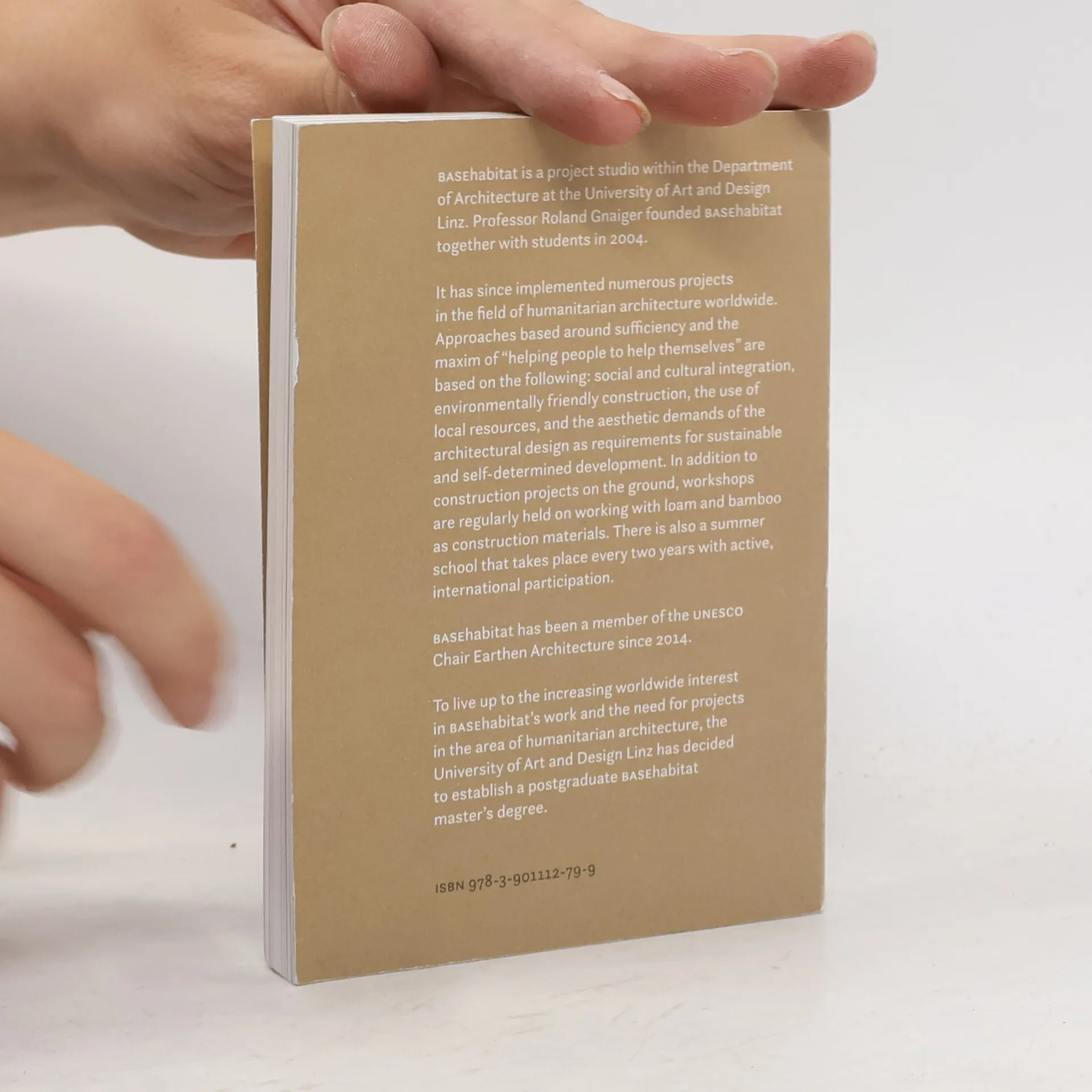
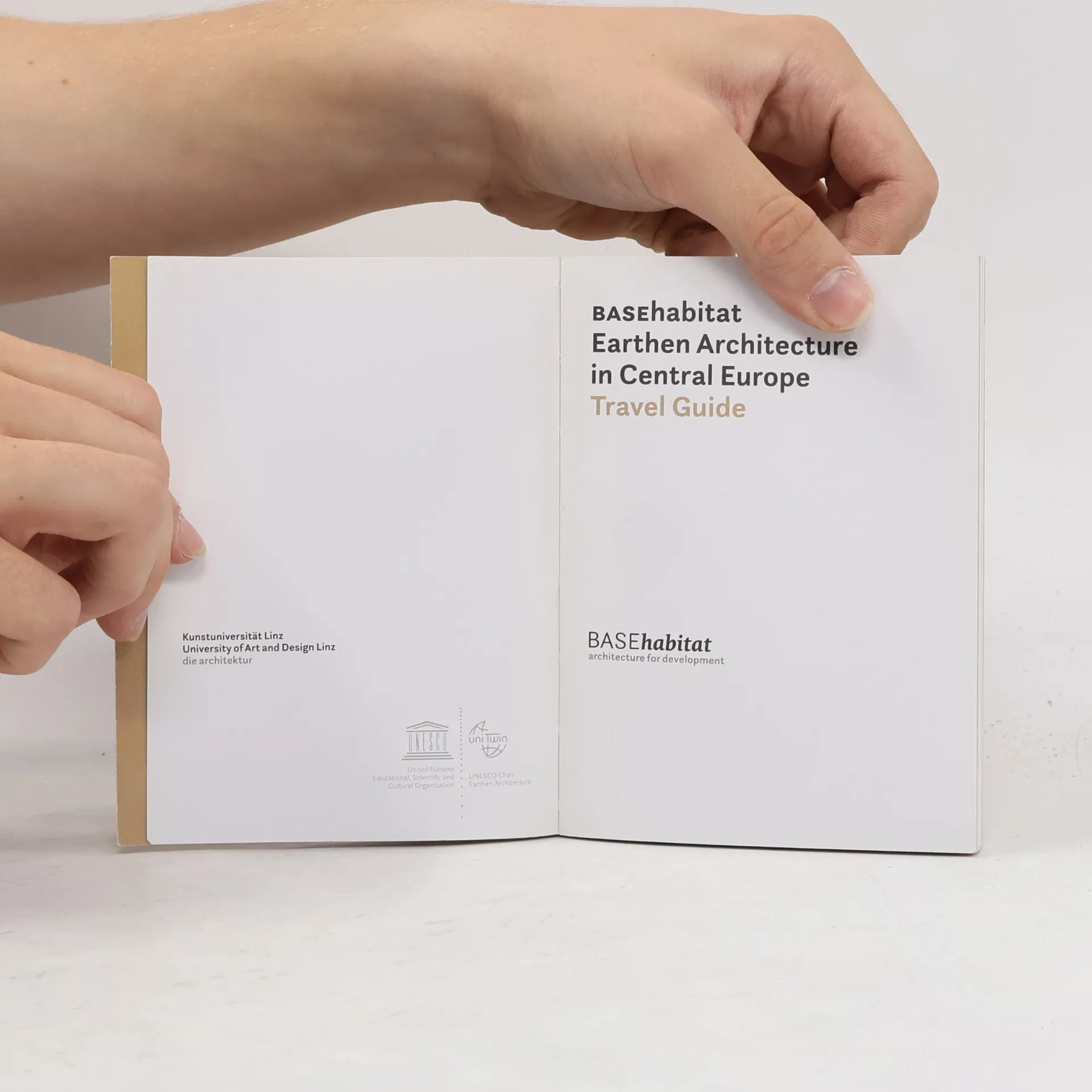
BASEhabitat is a project studio within the Department of Architecture at the University of Art and Design Linz. Professor Roland Gnaiger founded BASEhabitat together with students in 2004. It has since implemented numerous projects in the field of humanitarian architecture worldwide. Approaches based around sufficiency and the maxim of "helping people to help themselves" are based on the following: social and cultural integration, environmentally friendly construction, the use of local resources, and the aesthetic demands of the architectural design as requirements for sustainable and self-determined development. In addition to construction projects on the ground, workshops are regularly held on working with loam and bamboo as construction materials. There is also a summer school that takes place every two years with active, international participation. BASEhabitat has been a member of the UNESCO Chair Earthen Architecture since 2014. To live up to the increasing worldwide interest in BASEhabitat's work and the need for projects in the area of humanitarian architecture, the University of Art and Design Linz has decided to establish a postgraduate BASEhabitat master's degree.
Een boek kopen
Earthen Architecture in Central Europe, Auteurscollectief
- Taal

- Jaar van publicatie
- Bindwijze
- (Paperback),
- Staat van het boek
- Beschadigd
- Prijs
- € 2,05
Betaalmethoden
Nog niemand heeft beoordeeld.
- Titel
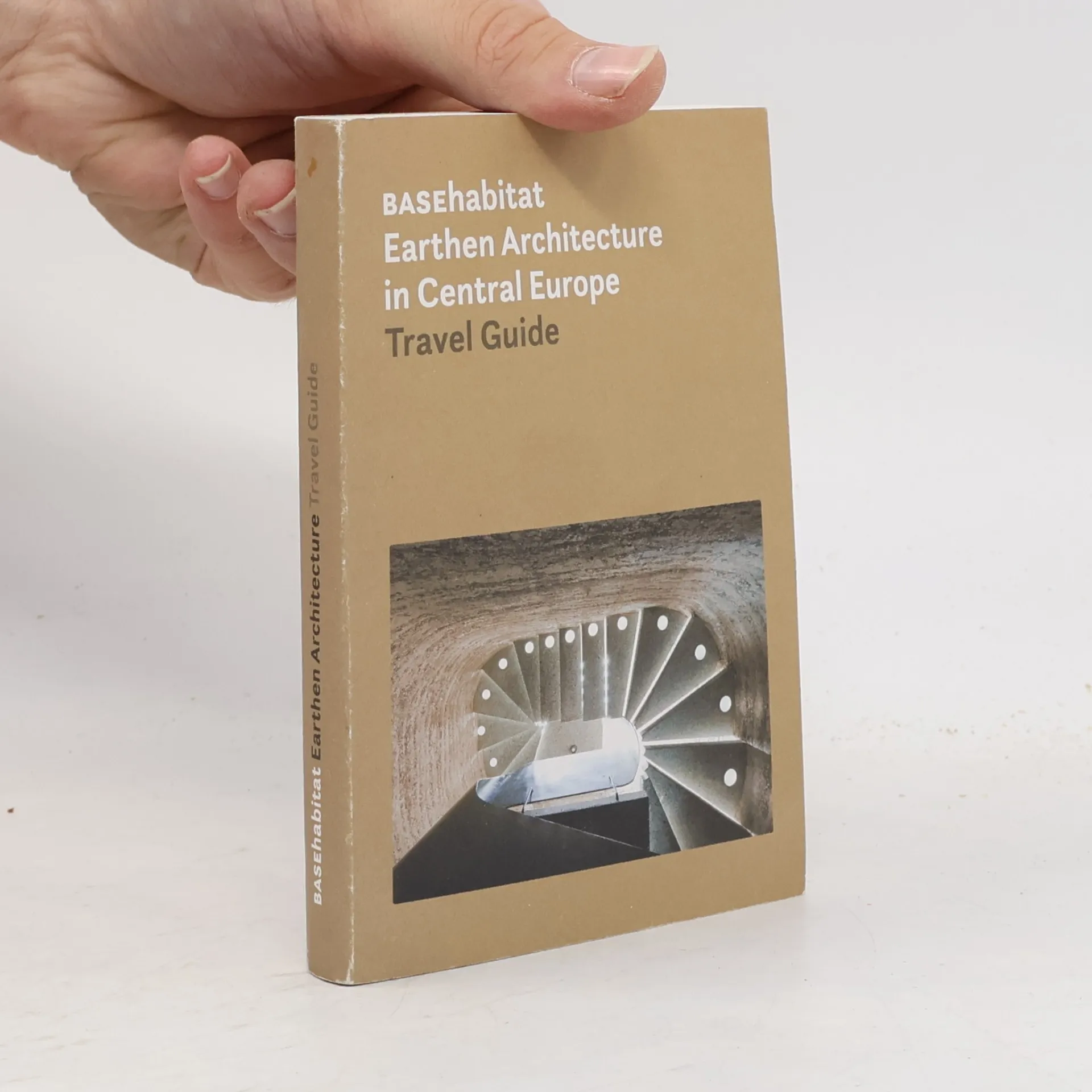
- Earthen Architecture in Central Europe
- Ondertitel
- Travel Guide
- Taal
- Engels
- Auteurs
- Auteurscollectief
- Formaat
- Paperback
- ISBN10
- 3901112790
- ISBN13
- 9783901112799
- Reeks
- Tags
- Aantekening
- BASEhabitat is a project studio within the Department of Architecture at the University of Art and Design Linz. Professor Roland Gnaiger founded BASEhabitat together with students in 2004. It has since implemented numerous projects in the field of humanitarian architecture worldwide. Approaches based around sufficiency and the maxim of "helping people to help themselves" are based on the following: social and cultural integration, environmentally friendly construction, the use of local resources, and the aesthetic demands of the architectural design as requirements for sustainable and self-determined development. In addition to construction projects on the ground, workshops are regularly held on working with loam and bamboo as construction materials. There is also a summer school that takes place every two years with active, international participation. BASEhabitat has been a member of the UNESCO Chair Earthen Architecture since 2014. To live up to the increasing worldwide interest in BASEhabitat's work and the need for projects in the area of humanitarian architecture, the University of Art and Design Linz has decided to establish a postgraduate BASEhabitat master's degree.