



Meer over het boek
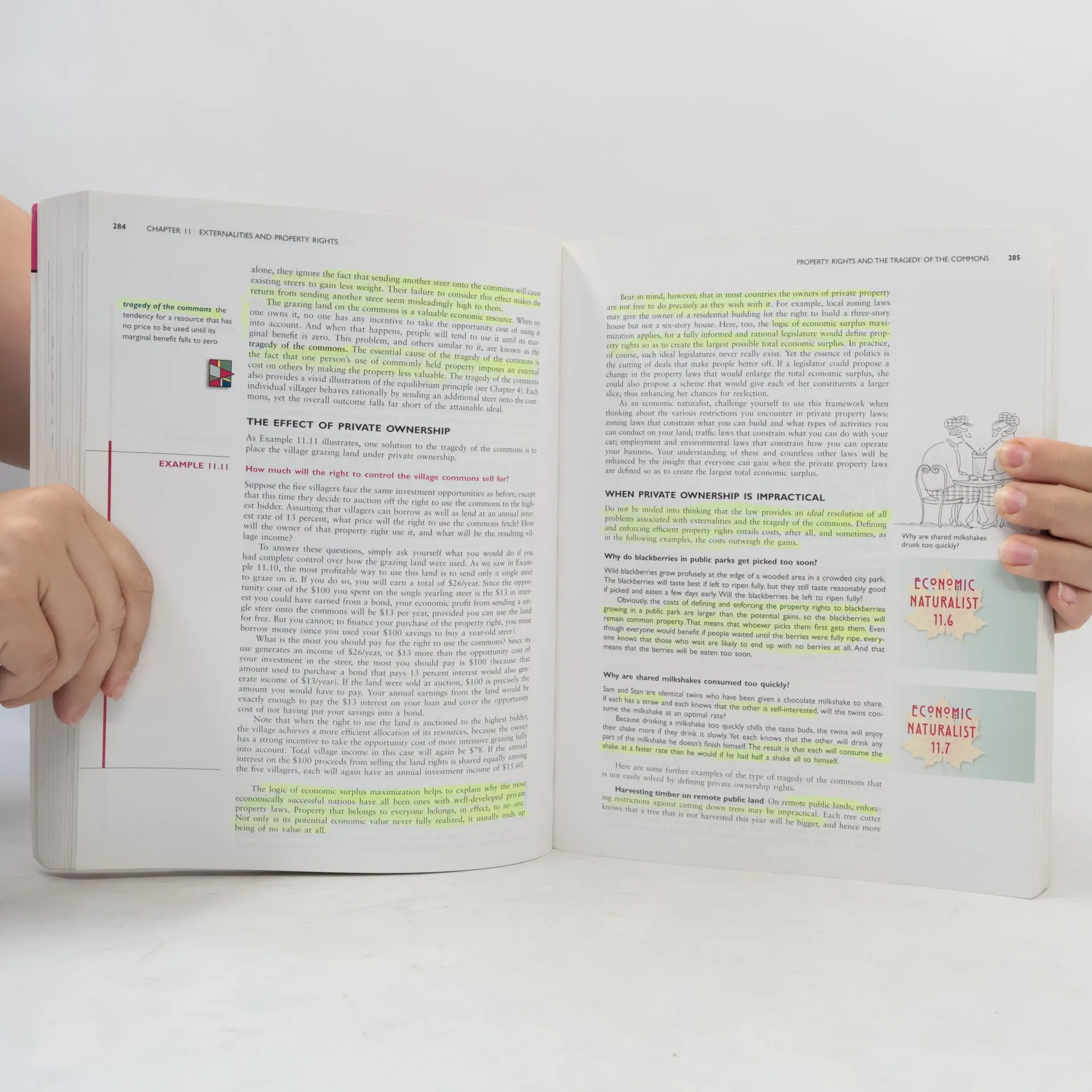
The text seeks to teach introductory students core economic concepts - the essence of economics - without overwhelming them with details. Principles of Economics presents the material in an intuitive way that avoids excessive maths. The authors introduce a short list of core principles, reinforce them by illustrating and applying each principle in several contexts, and then ask students to work exercises to see what they've learned. The text seeks to create economic naturalists; that is, after reading the text, students will ask (and answer) questions about their economic environment. For example, students will see Braille dots on drive-up ATMs and ask why they're there. Peppered with such examples, Frank and Bernanke not only engage students, but teach them to see each feature of their economic landscape as the reflection of an implicit or explicit cost-benefit calculation.
Een boek kopen
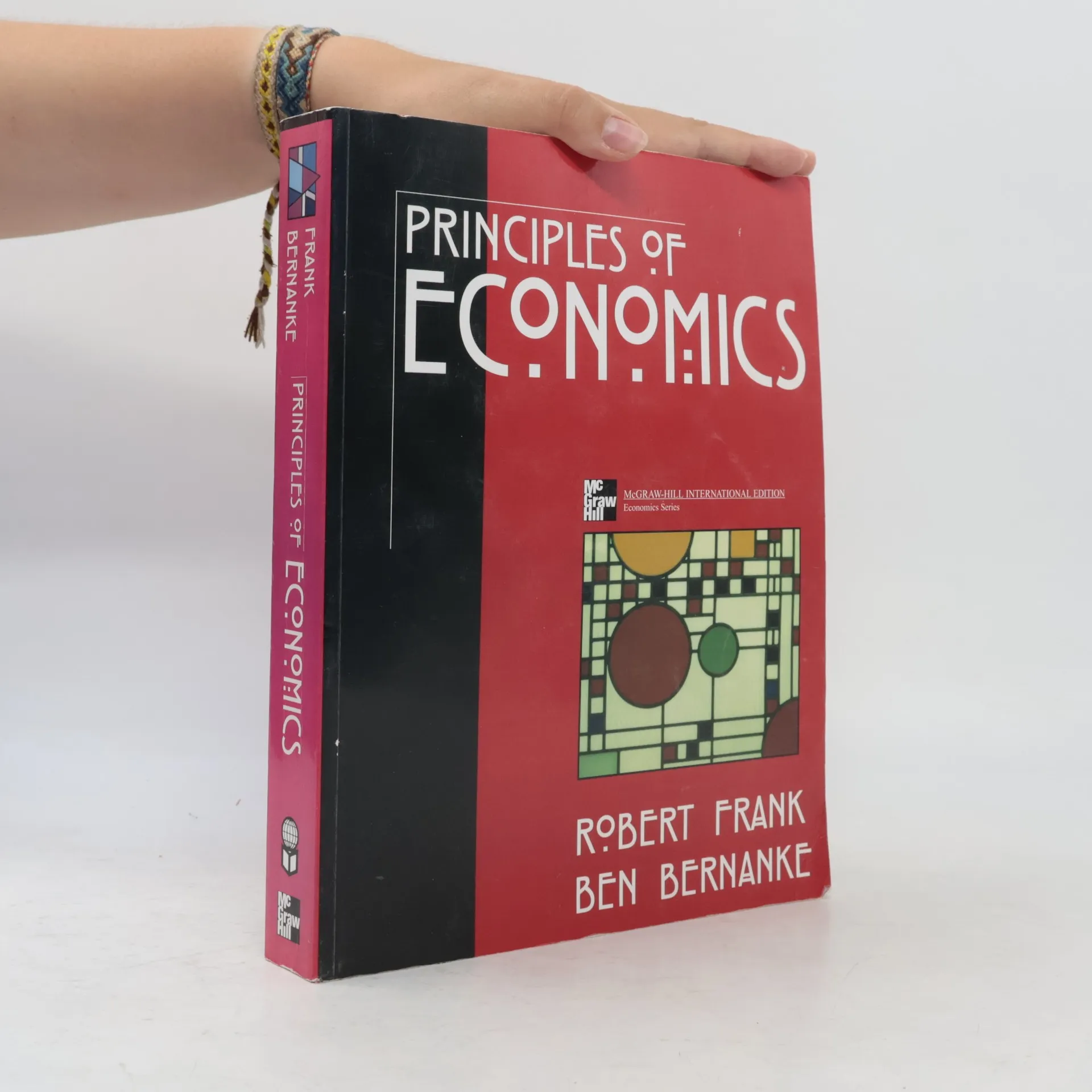
Economics Series: Principles of Economics - International Edition, Robert H. Frank, Ben S. Bernanke
- Taal

- Jaar van publicatie
- 2001
- product-detail.submit-box.info.binding
- (Paperback),
- Staat van het boek
- Beschadigd
- Prijs
- € 3,30
Betaalmethoden
Nog niemand heeft beoordeeld.
- Titel
- Economics Series: Principles of Economics - International Edition
- Taal
- Engels
- Auteurs
- Robert H. Frank, Ben S. Bernanke
- Uitgever
- McGraw-Hill Education - Europe
- Jaar van publicatie
- 2001
- Formaat
- Paperback
- Aantal pagina's
- 834
- ISBN10
- 0071202137
- ISBN13
- 9780071202138
- Reeks
- Aantekening
- The text seeks to teach introductory students core economic concepts - the essence of economics - without overwhelming them with details. Principles of Economics presents the material in an intuitive way that avoids excessive maths. The authors introduce a short list of core principles, reinforce them by illustrating and applying each principle in several contexts, and then ask students to work exercises to see what they've learned. The text seeks to create economic naturalists; that is, after reading the text, students will ask (and answer) questions about their economic environment. For example, students will see Braille dots on drive-up ATMs and ask why they're there. Peppered with such examples, Frank and Bernanke not only engage students, but teach them to see each feature of their economic landscape as the reflection of an implicit or explicit cost-benefit calculation.