

Meer over het boek
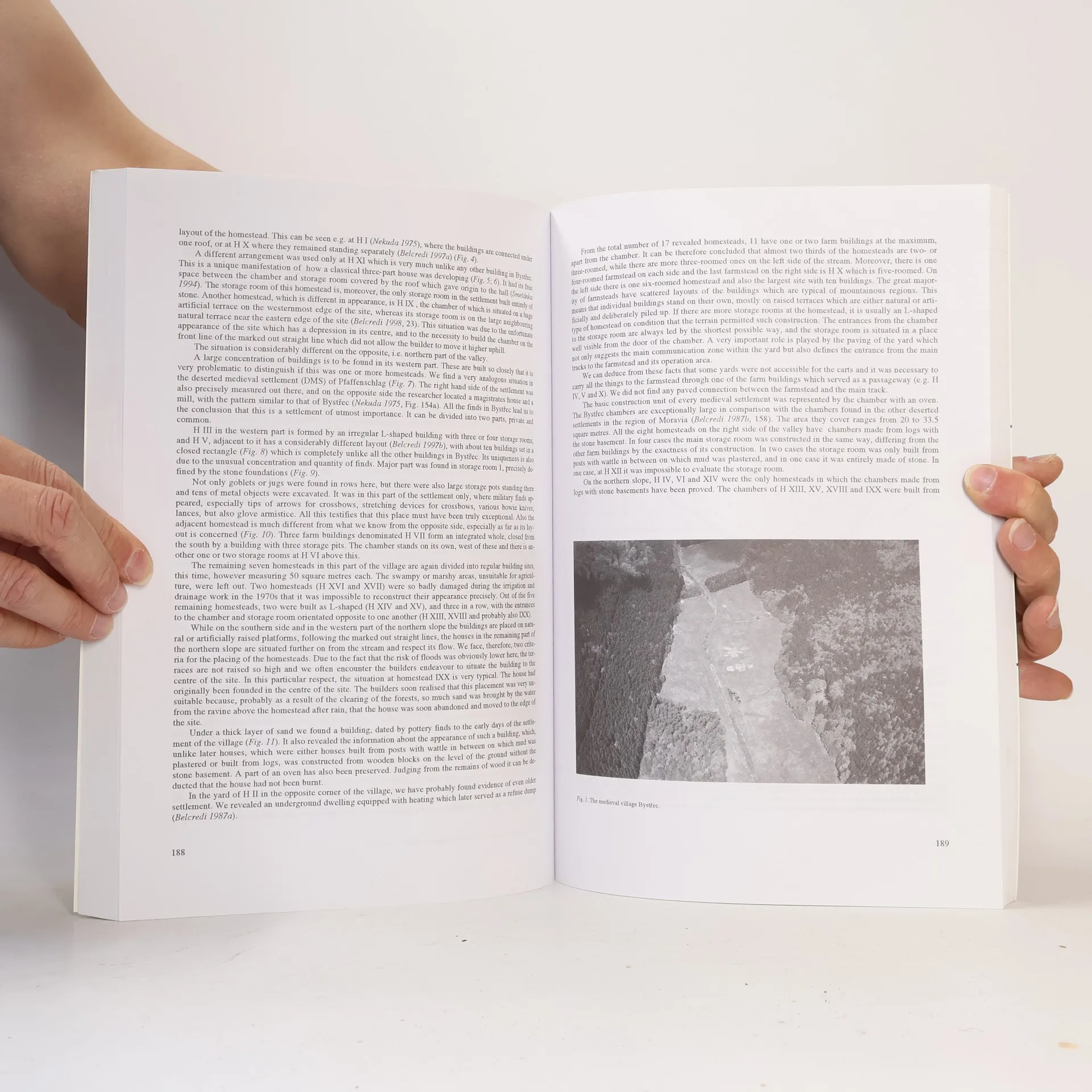
This collection explores various aspects of medieval rural settlements across Europe, emphasizing both dispersed and nucleated forms. It begins with an introduction to the characteristics of these settlements in Ireland, followed by discussions on village consolidation factors in Belgium and Luxembourg. The framework for studying deserted rural settlements in Wales highlights strategies for their protection. Several contributions examine settlement structures during the late Iron Age and Viking Period, alongside demographic data on medieval rural habitats in Hungary. Archaeological insights into single farms during the Turkish period and the case study of a grouped habitat in Loire, France, are presented. The ethnicity of Irish moated sites is analyzed, while reflections on the "dispersed-nucleated" paradigm in medieval settlement archaeology provide critical perspectives. The evolution of habitats in the Yutz region of France and the role of churches in village development are also discussed. Further contributions include studies of peasant settlements in Minorca, the colonization and desertion of the village of Bystrec, and the characteristics of nucleated and dispersed settlements in Northern Russia. The collection concludes with examinations of medieval rural settlements in southern Scotland, southwest Germany, and the relationship between rural boroughs and settlement types in medieval Bohemia.
Een boek kopen
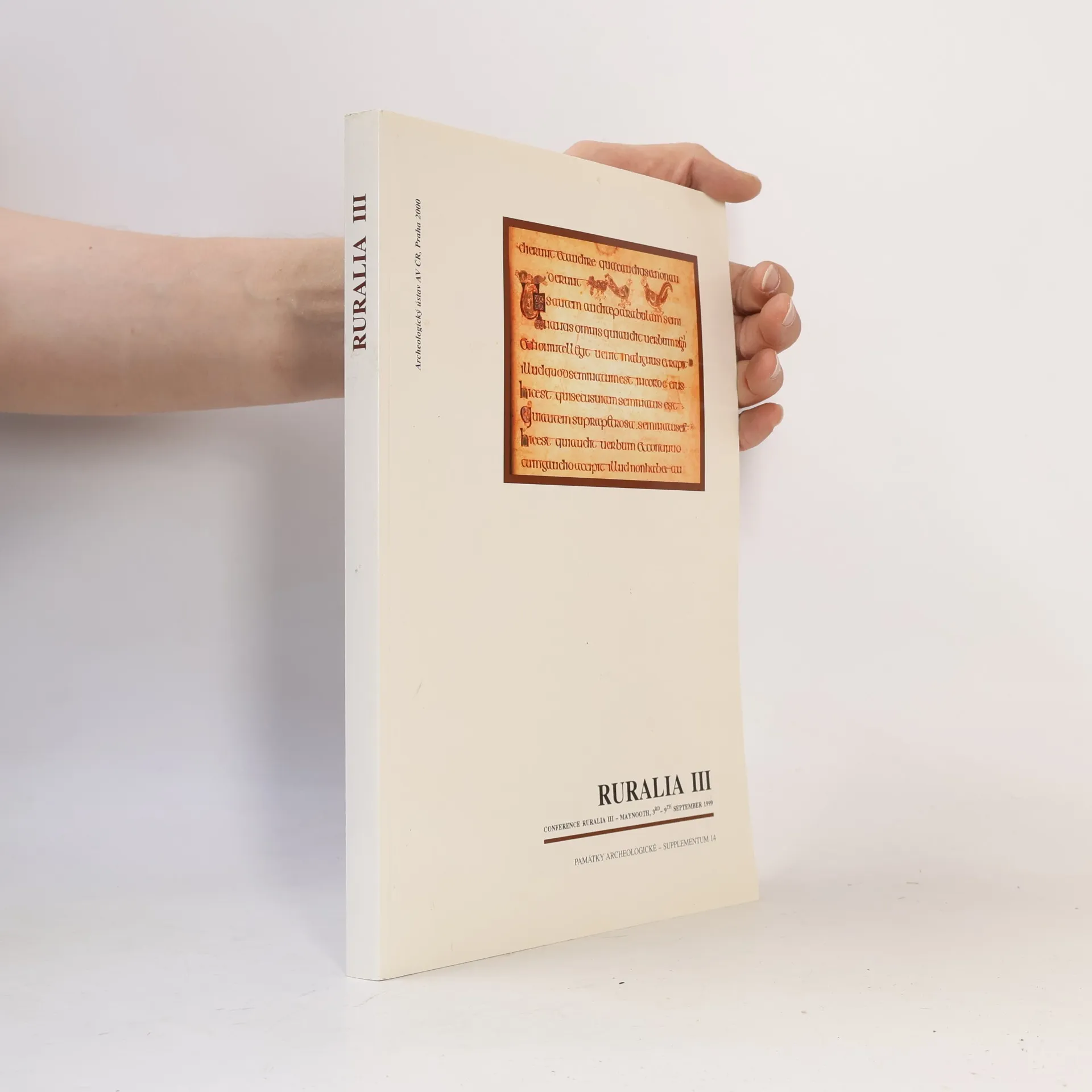
Ruralia 3, Jan Klápště
- Taal
- Jaar van publicatie
- 2000
- Bindwijze
- (Paperback),
- Staat van het boek
- Beschadigd
- Prijs
- € 51,95
Betaalmethoden
Nog niemand heeft beoordeeld.
- Titel
- Ruralia 3
- Ondertitel
- Conference Ruralia III - Maynooth, 3rd - 9th September 1999
- Auteurs
- Jan Klápště
- Uitgever
- Brepols Publishers
- Jaar van publicatie
- 2000
- Formaat
- Paperback
- Aantal pagina's
- 302
- ISBN10
- 8086124282
- ISBN13
- 9788086124285
- Reeks
- Aantekening
- This collection explores various aspects of medieval rural settlements across Europe, emphasizing both dispersed and nucleated forms. It begins with an introduction to the characteristics of these settlements in Ireland, followed by discussions on village consolidation factors in Belgium and Luxembourg. The framework for studying deserted rural settlements in Wales highlights strategies for their protection. Several contributions examine settlement structures during the late Iron Age and Viking Period, alongside demographic data on medieval rural habitats in Hungary. Archaeological insights into single farms during the Turkish period and the case study of a grouped habitat in Loire, France, are presented. The ethnicity of Irish moated sites is analyzed, while reflections on the "dispersed-nucleated" paradigm in medieval settlement archaeology provide critical perspectives. The evolution of habitats in the Yutz region of France and the role of churches in village development are also discussed. Further contributions include studies of peasant settlements in Minorca, the colonization and desertion of the village of Bystrec, and the characteristics of nucleated and dispersed settlements in Northern Russia. The collection concludes with examinations of medieval rural settlements in southern Scotland, southwest Germany, and the relationship between rural boroughs and settlement types in medieval Bohemia.