

Meer over het boek
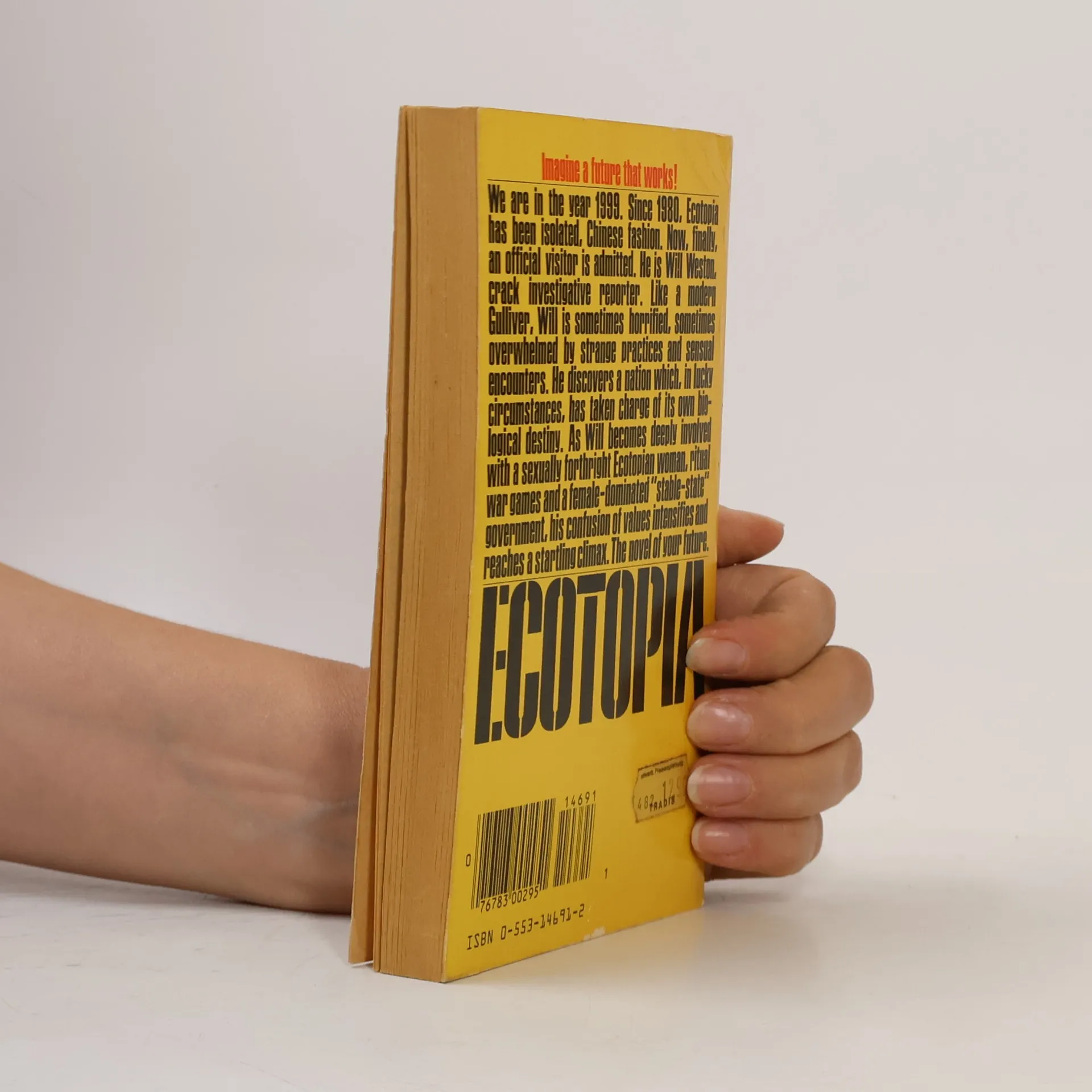
Ecotopia's premise involving the Pacific NW region seceding from the USA seems somewhat farfetched, but Callenbach's richly-descriptive portrait of a society based on the concept of a stable-state ecosystem is thought-provoking. This is similar to the economist Herman Daly's advocacy of steady-state economics. It also parallels Robert Costanza's work in the emerging discipline of Ecological Economics as an alternative to the outdated, ideology-driven concepts of neoclassical economic theory. The centerpiece of the Ecotopia social model is for resource consumption to never exceed sustainable resource limits & to also treat pollution & waste as costs that aren't externalized to the commons but are factored into economic decision-making at a fundamental level. Resources are recycled whenever possible. Durable low-technology generally takes precedence over high-technology. Ecotopians generally embrace a philosophy of ecological intertwinement & reverence for nature. There are similarities to James Lovelock's Gaia hypothesis & Edward O. Wilson's concept of Biophilia. The descriptions of the personalities & behaviors of the novel's characters are entertaining, the women having a more dominant role. Ecotopians are passionate if not quirky. Ecotopians adopt a neomalthusian approach toward population regulation. This resonates since overpopulation & resultant resource scarcity is the single most critical issue facing the species. The chapter on ritual war games was intriguing & raises significant issues regarding the genetic predisposition toward competitive aggression in males. The novel is filled with creative approaches to a wide variety of social issues some of which probably aren't feasible but interesting nonetheless. Two other related books some might find interesting are The Collapse of Complex Societies by the archaeologist Joseph Tainter & Environment, Scarcity & Violence by Thomas Homer-Dixon, head of the Conflict Studies department at the University of Toronto. The mindless waste & hyper consumption of contemporary American culture is unsustainable. If I could move somewhere embracing at least some of the aspects of the Ecotopian model I'd probably do so.--Martin T. Parsons (edited)
Een boek kopen
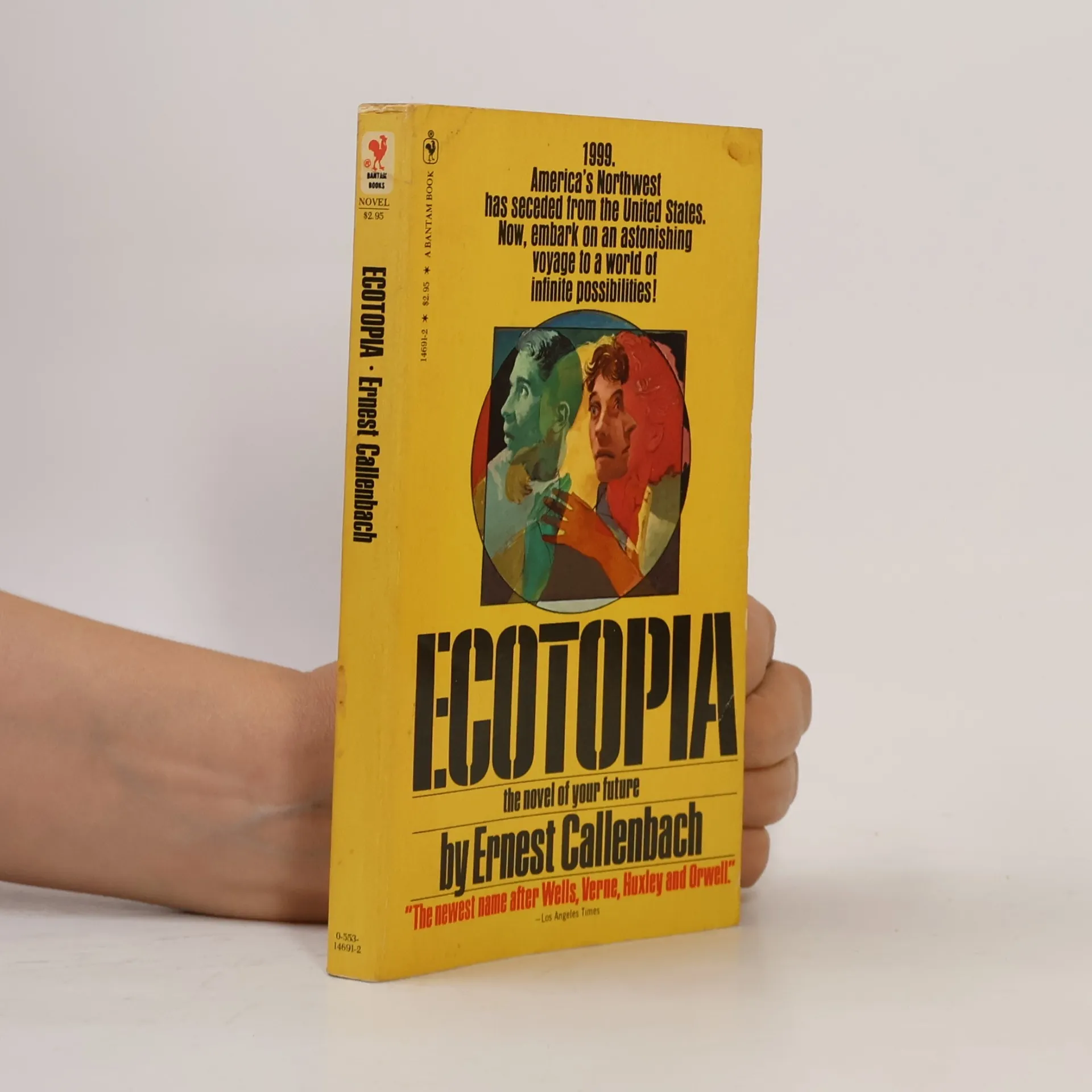
Ecotopia, Ernest Callenbach
- Taal

- Jaar van publicatie
- 1981
- Bindwijze
- (Paperback),
- Staat van het boek
- Goed
- Prijs
- € 3,99
Betaalmethoden
Nog niemand heeft beoordeeld.
- Titel
- Ecotopia
- Taal
- Engels
- Auteurs
- Ernest Callenbach
- Uitgever
- Bantam Books
- Jaar van publicatie
- 1981
- Formaat
- Paperback
- Aantal pagina's
- 213
- ISBN10
- 0553146912
- ISBN13
- 9780553146912
- Reeks
- Aantekening
- Ecotopia's premise involving the Pacific NW region seceding from the USA seems somewhat farfetched, but Callenbach's richly-descriptive portrait of a society based on the concept of a stable-state ecosystem is thought-provoking. This is similar to the economist Herman Daly's advocacy of steady-state economics. It also parallels Robert Costanza's work in the emerging discipline of Ecological Economics as an alternative to the outdated, ideology-driven concepts of neoclassical economic theory. The centerpiece of the Ecotopia social model is for resource consumption to never exceed sustainable resource limits & to also treat pollution & waste as costs that aren't externalized to the commons but are factored into economic decision-making at a fundamental level. Resources are recycled whenever possible. Durable low-technology generally takes precedence over high-technology. Ecotopians generally embrace a philosophy of ecological intertwinement & reverence for nature. There are similarities to James Lovelock's Gaia hypothesis & Edward O. Wilson's concept of Biophilia. The descriptions of the personalities & behaviors of the novel's characters are entertaining, the women having a more dominant role. Ecotopians are passionate if not quirky. Ecotopians adopt a neomalthusian approach toward population regulation. This resonates since overpopulation & resultant resource scarcity is the single most critical issue facing the species. The chapter on ritual war games was intriguing & raises significant issues regarding the genetic predisposition toward competitive aggression in males. The novel is filled with creative approaches to a wide variety of social issues some of which probably aren't feasible but interesting nonetheless. Two other related books some might find interesting are The Collapse of Complex Societies by the archaeologist Joseph Tainter & Environment, Scarcity & Violence by Thomas Homer-Dixon, head of the Conflict Studies department at the University of Toronto. The mindless waste & hyper consumption of contemporary American culture is unsustainable. If I could move somewhere embracing at least some of the aspects of the Ecotopian model I'd probably do so.--Martin T. Parsons (edited)