



Meer over het boek
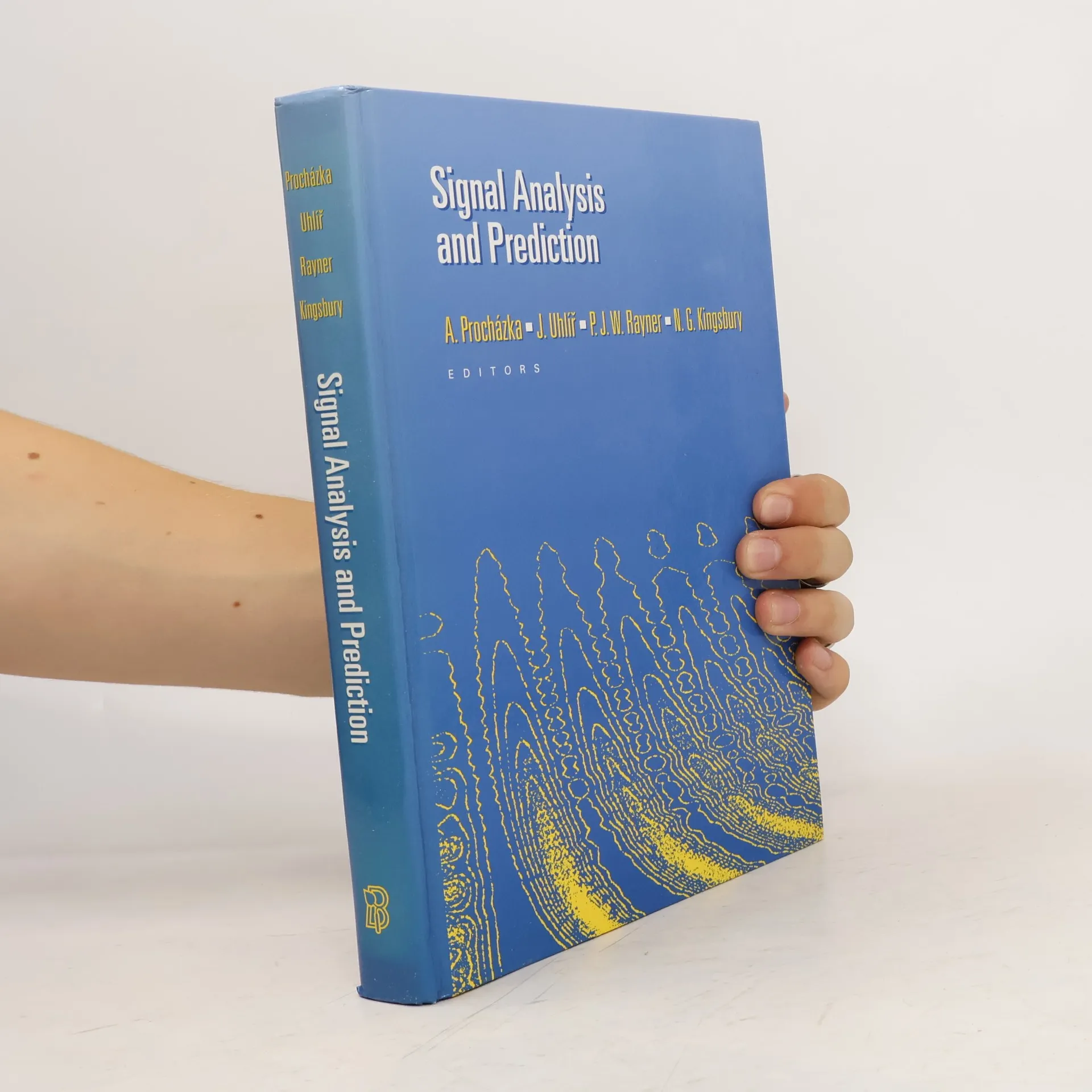
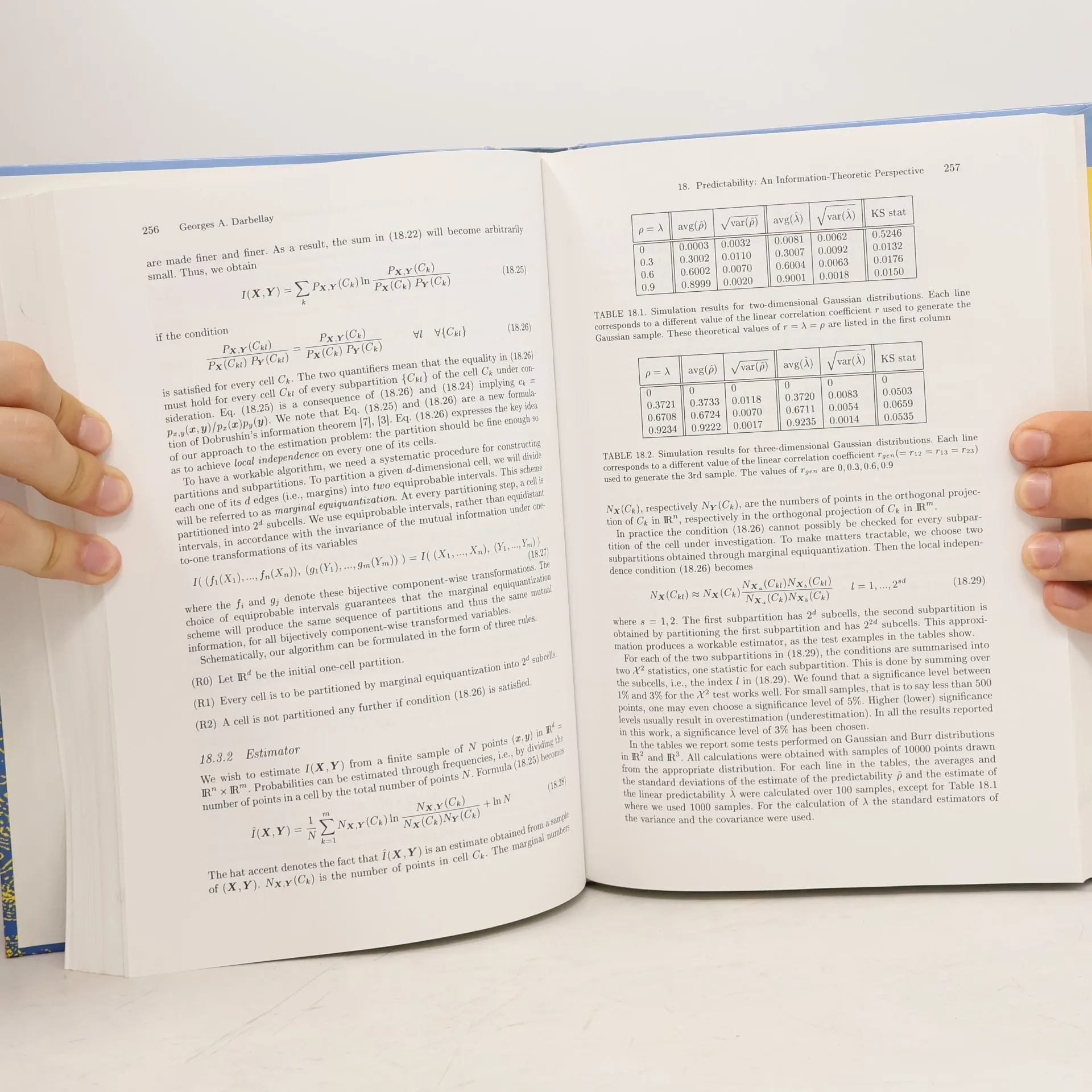
Methods of signal analysis encompass a wide range of research areas, including engineering, technology, biomedicine, seismography, and econometrics, all relying on the processing of observed variables. Despite the diversity of applications, the underlying mathematical principles are similar, utilizing discrete Fourier and z-transforms for analysis, alongside linear and non-linear methods for tasks such as signal identification, modeling, prediction, segmentation, and classification. These techniques often intersect with optimization problems, statistical methods, and artificial neural networks. This book presents a collection of research papers based on selected contributions from the First European Conference on Signal Analysis and Prediction (ECSAP-97), held in Prague from June 24-27, 1997, at the Strahov Monastery. Originally intended as a European Conference initiated by the European Association for Signal Processing (EURASIP), it received substantial support from other scientific societies, including the IEE, IEEE Signal Processing Society, and the Acoustical Society of America. The organizing committee was pleased with the strong academic response, receiving 128 summaries from 242 authors across 36 countries. Additionally, the Conference qualified for Continuing Professional Development Scheme credits for participants and contributors.
Een boek kopen
Applied and Numerical Harmonic Analysis: Signal Analysis and Prediction, Aleš Procházka, J. Uhlíř, P. J. W. Rayner, Nicholas G. Kingsbury
- Taal

- Jaar van publicatie
- 1998
- Bindwijze
- (Hardcover),
- Staat van het boek
- Beschadigd
- Prijs
- € 27,57
Betaalmethoden
Nog niemand heeft beoordeeld.
- Taal
- Engels
- Uitgever
- Birkhäuser
- Jaar van publicatie
- 1998
- Formaat
- Hardcover
- Aantal pagina's
- 527
- ISBN10
- 0817640428
- ISBN13
- 9780817640422
- Reeks
- Tags
- Technologie, Kunstmatige Intelligentie, Elektronica, Algoritmen, Wiskundige Analyse, Optimalisatie
- Aantekening
- Methods of signal analysis encompass a wide range of research areas, including engineering, technology, biomedicine, seismography, and econometrics, all relying on the processing of observed variables. Despite the diversity of applications, the underlying mathematical principles are similar, utilizing discrete Fourier and z-transforms for analysis, alongside linear and non-linear methods for tasks such as signal identification, modeling, prediction, segmentation, and classification. These techniques often intersect with optimization problems, statistical methods, and artificial neural networks. This book presents a collection of research papers based on selected contributions from the First European Conference on Signal Analysis and Prediction (ECSAP-97), held in Prague from June 24-27, 1997, at the Strahov Monastery. Originally intended as a European Conference initiated by the European Association for Signal Processing (EURASIP), it received substantial support from other scientific societies, including the IEE, IEEE Signal Processing Society, and the Acoustical Society of America. The organizing committee was pleased with the strong academic response, receiving 128 summaries from 242 authors across 36 countries. Additionally, the Conference qualified for Continuing Professional Development Scheme credits for participants and contributors.