

Meer over het boek
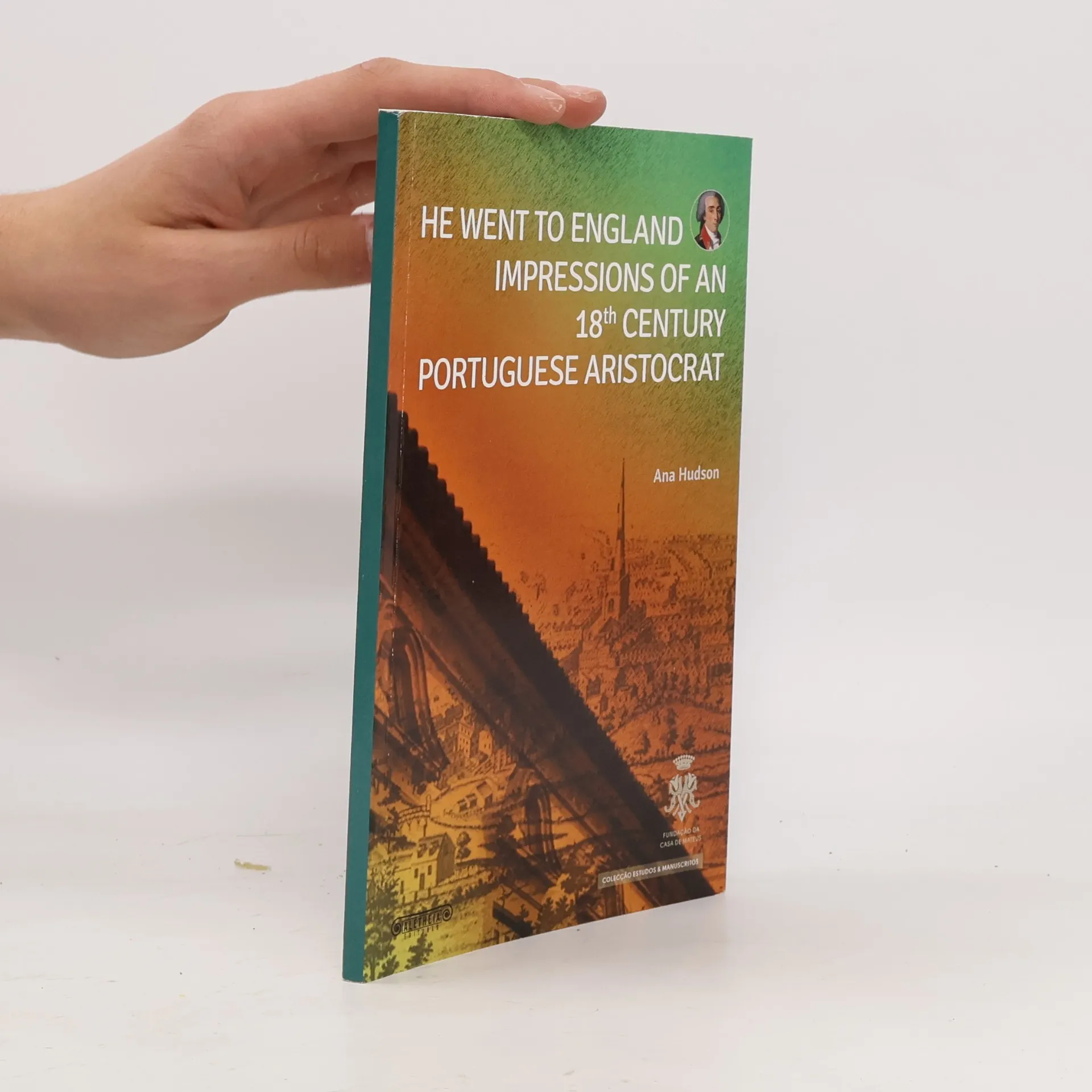
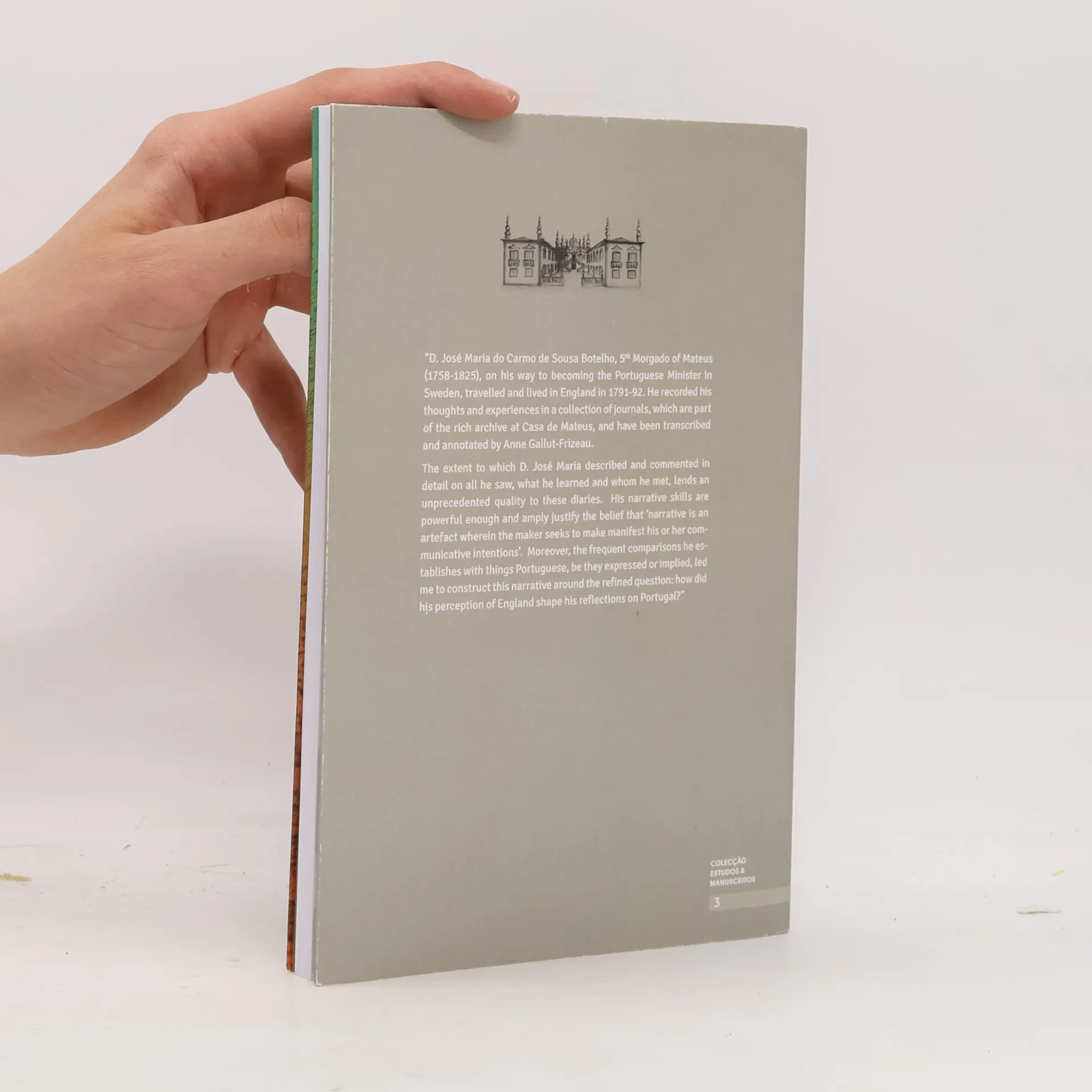
D. José Maria do Carmo de Sousa Botelho, 5th Morgado of Mateus (1758-1825), on his way to becoming the Portuguese Minister in Sweden, travelled and lived in England in 1791-92. He recorded his thoughts and experiences in a collection of journals, which are part of the rich archive at Casa de Mateus, and have been transcribed and annotated by Anne Gallut-Frizeau. The extent to which D. José Maria described and commented in detail on all he saw, what he learned and whom he met, lends an unprecedented quality to these diaries. His narrative skills are powerful enough and amply justify the belief that 'narrative is an artefact wherein the maker seeks to make manifest his or her communicative intentions'. Moreover, the frequent comparisons he establishes with things Portuguese, be they expressed or implied, led me to construct this narrative around the refined question: how did his perception of England shape his reflections on Portugal?
Een boek kopen
He Went to England, Ana Hudson
- Taal

- Jaar van publicatie
- 2015
- Bindwijze
- (Paperback),
- Staat van het boek
- Zeer goed
- Prijs
- € 5,69
Betaalmethoden
Nog niemand heeft beoordeeld.
- Titel
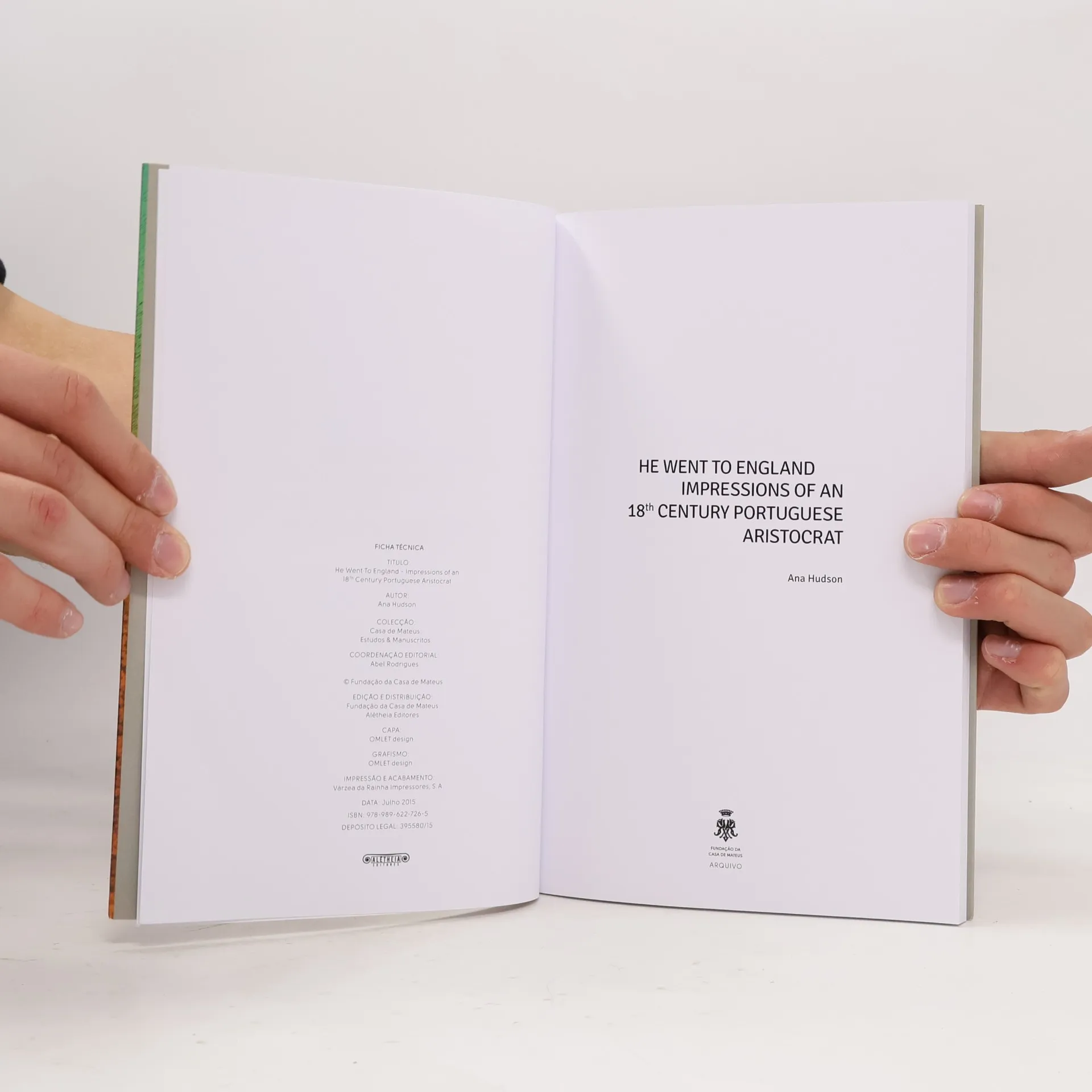
- He Went to England
- Ondertitel
- Impressions of an 18th Century Portuguese Aristocrat
- Taal
- Portugees
- Auteurs
- Ana Hudson
- Uitgever
- Alêtheia Editores
- Jaar van publicatie
- 2015
- Formaat
- Paperback
- ISBN10
- 9896227268
- ISBN13
- 9789896227265
- Reeks
- Tags
- Aantekening
- D. José Maria do Carmo de Sousa Botelho, 5th Morgado of Mateus (1758-1825), on his way to becoming the Portuguese Minister in Sweden, travelled and lived in England in 1791-92. He recorded his thoughts and experiences in a collection of journals, which are part of the rich archive at Casa de Mateus, and have been transcribed and annotated by Anne Gallut-Frizeau. The extent to which D. José Maria described and commented in detail on all he saw, what he learned and whom he met, lends an unprecedented quality to these diaries. His narrative skills are powerful enough and amply justify the belief that 'narrative is an artefact wherein the maker seeks to make manifest his or her communicative intentions'. Moreover, the frequent comparisons he establishes with things Portuguese, be they expressed or implied, led me to construct this narrative around the refined question: how did his perception of England shape his reflections on Portugal?