


Meer over het boek
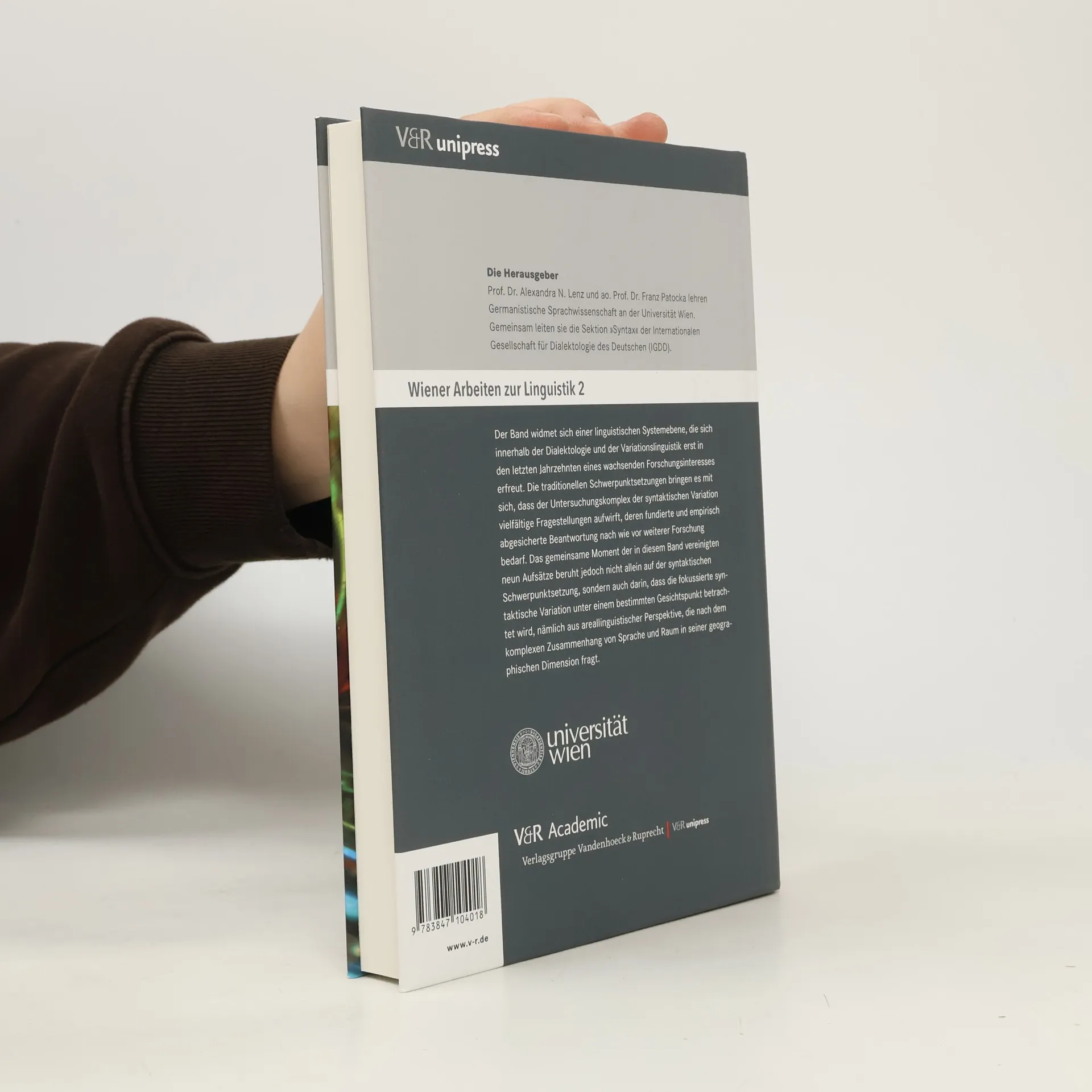
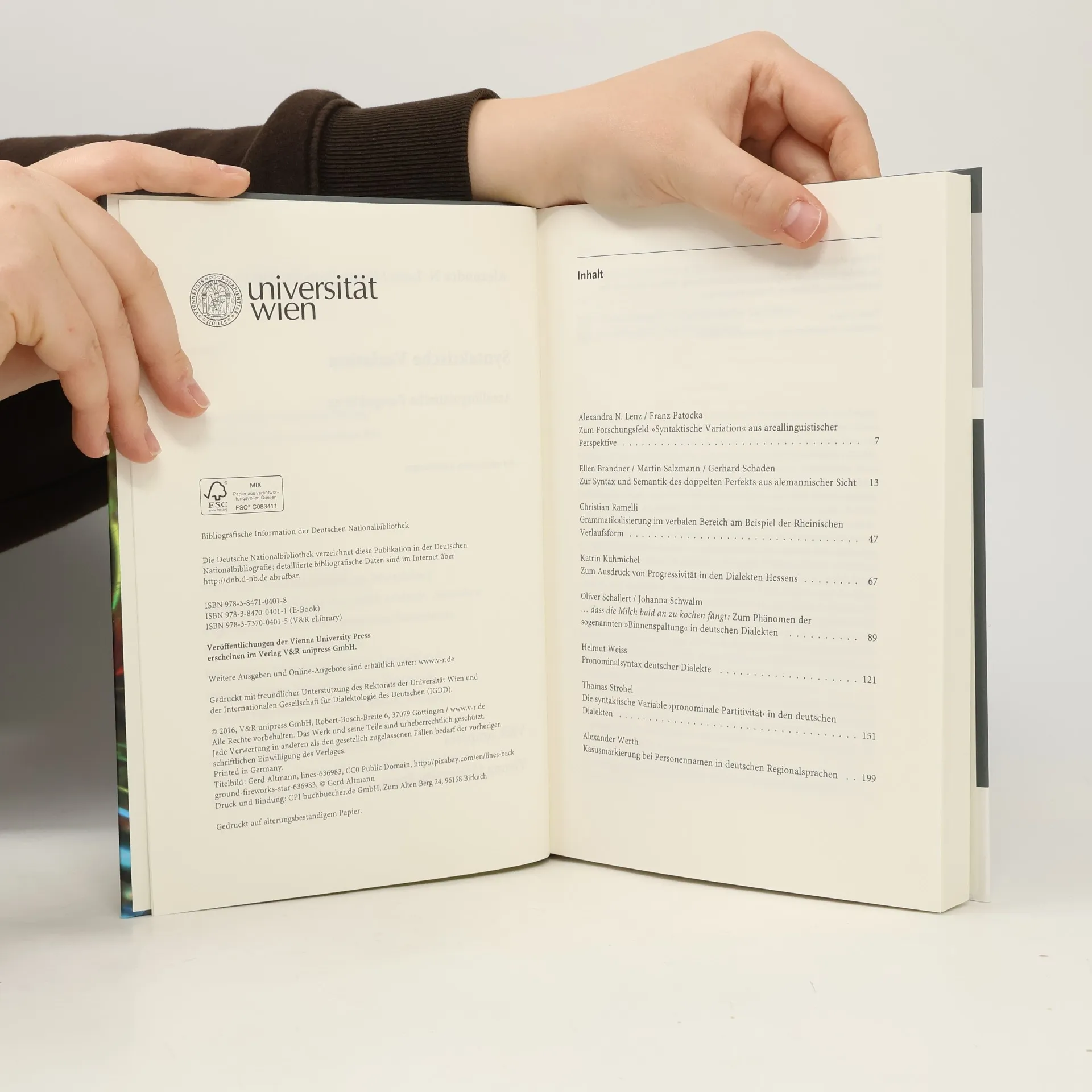
This volume explores a linguistic level that has gained research interest in recent decades. Traditional focuses have raised numerous questions regarding syntactic variation, necessitating further research to provide solid empirical answers. The nine contributions share a commonality not just in their emphasis on syntactical issues, but also in their collective approach to the types of syntactic variation examined. They adopt an areal linguistics perspective, investigating the intricate relationship between language and geographical space. This focus highlights the complexity of how language interacts with its spatial dimensions, underscoring the need for a deeper understanding of syntactic variation within specific geographical contexts. The contributions aim to advance the field by addressing these questions and providing a more nuanced understanding of the correlation between syntax and geography, thereby enriching the discourse on linguistic variation.
Een boek kopen
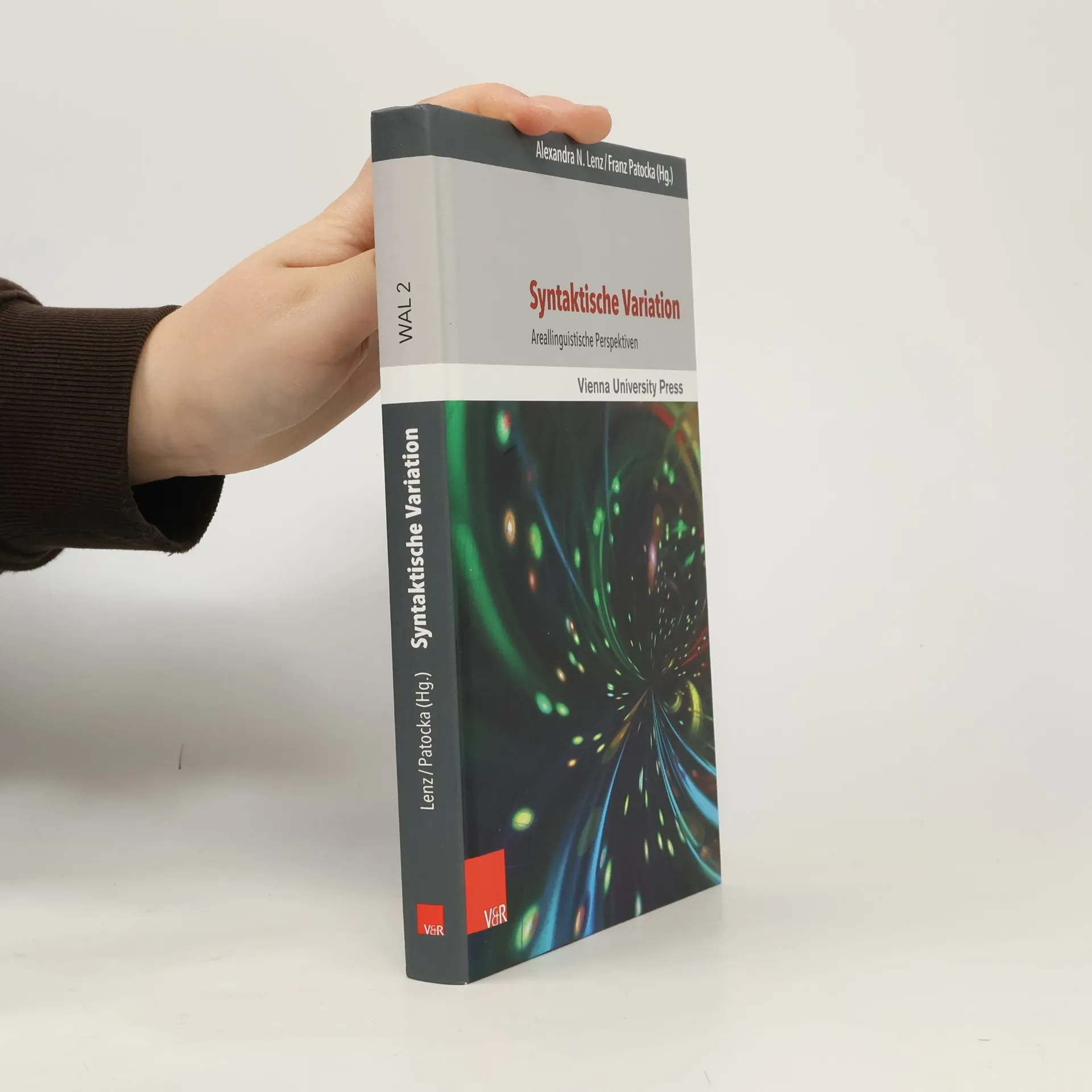
Wiener Arbeiten zur Linguistik - 2: Syntaktische Variation, Alexandra N. Lenz, Franz Patocka
- Taal

- Jaar van publicatie
- 2015
- Bindwijze
- (Hardcover),
- Staat van het boek
- Goed
- Prijs
- € 18,49
Betaalmethoden
Nog niemand heeft beoordeeld.
- Titel
- Wiener Arbeiten zur Linguistik - 2: Syntaktische Variation
- Ondertitel
- Areallinguistische Perspektiven
- Taal
- Duits
- Auteurs
- Alexandra N. Lenz, Franz Patocka
- Jaar van publicatie
- 2015
- Formaat
- Hardcover
- Aantal pagina's
- 291
- ISBN10
- 3847104012
- ISBN13
- 9783847104018
- Reeks
- Tags
- Taalwoordenboeken en Leerboeken, Linguïstiek, Verzamelde Werken, Germanistiek, Syntax, Samenstelling, Woordvolgorde, Dialectiek, Dialectologie
- Aantekening
- This volume explores a linguistic level that has gained research interest in recent decades. Traditional focuses have raised numerous questions regarding syntactic variation, necessitating further research to provide solid empirical answers. The nine contributions share a commonality not just in their emphasis on syntactical issues, but also in their collective approach to the types of syntactic variation examined. They adopt an areal linguistics perspective, investigating the intricate relationship between language and geographical space. This focus highlights the complexity of how language interacts with its spatial dimensions, underscoring the need for a deeper understanding of syntactic variation within specific geographical contexts. The contributions aim to advance the field by addressing these questions and providing a more nuanced understanding of the correlation between syntax and geography, thereby enriching the discourse on linguistic variation.