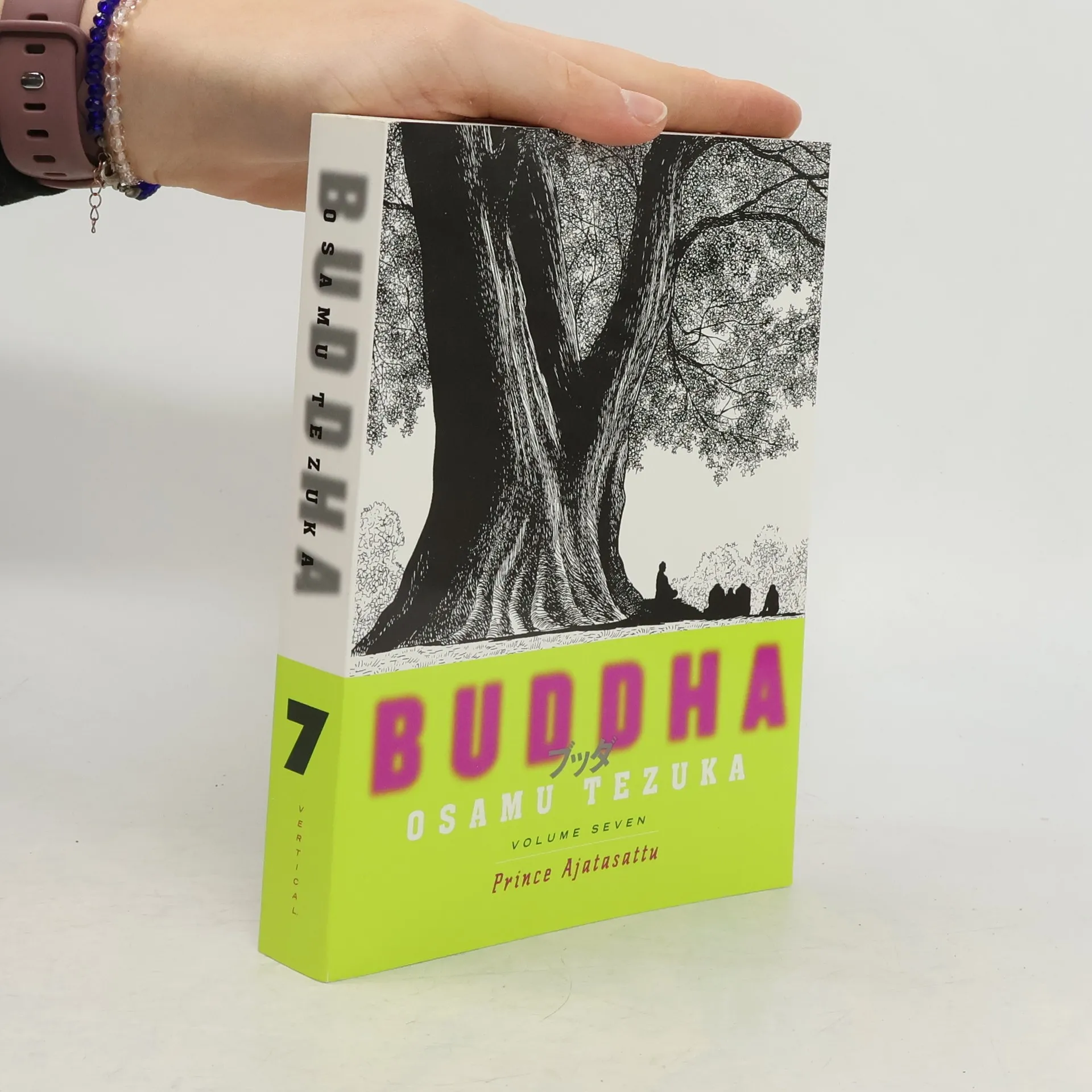
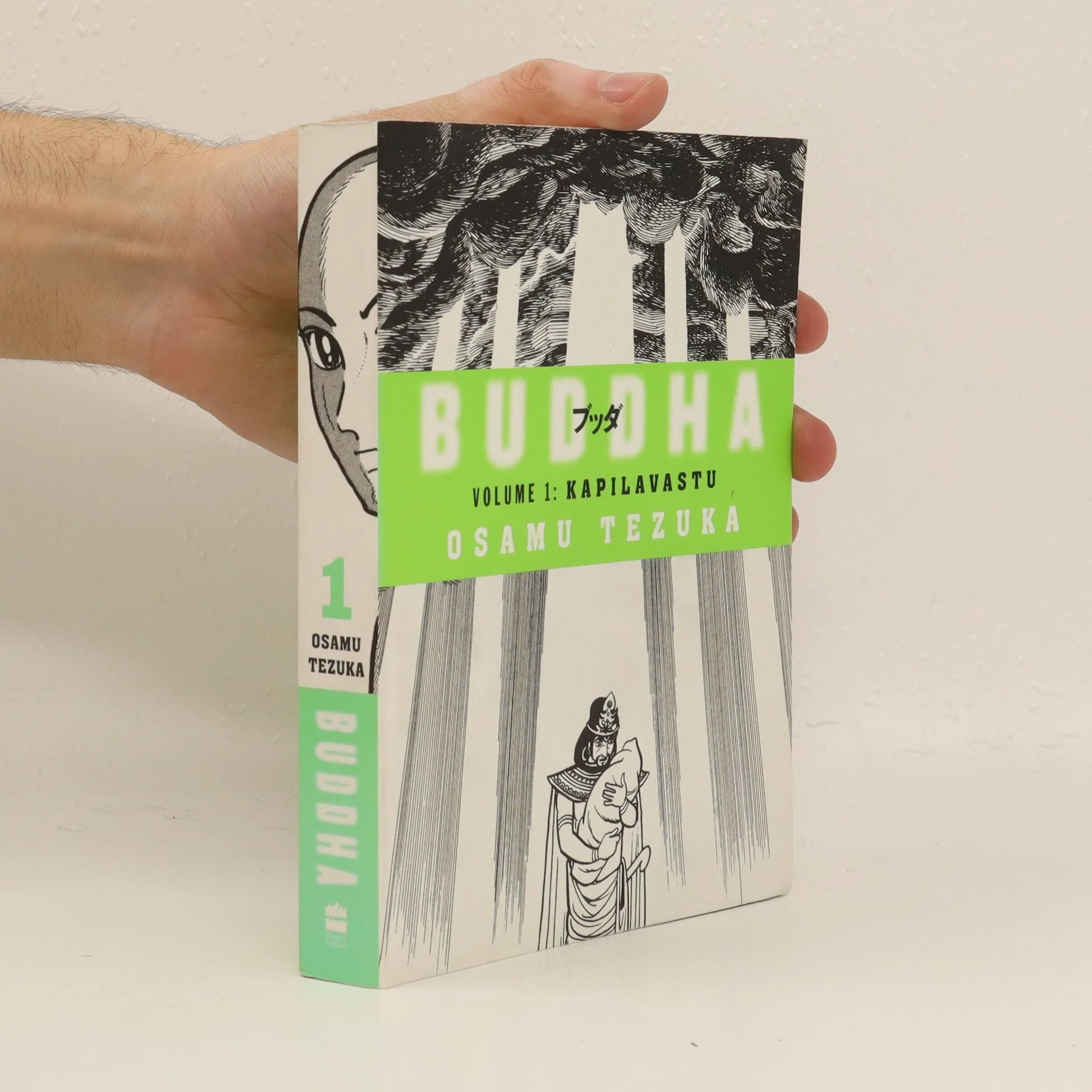
'Buddha' is the ultimate example of Tezuka's storytelling genius and artistic mastery. The progenitor of manga as we know it, and the inspiration for countless artists, Tezuka continues to elicit the deepest awe with his sweeping grasp of the human condition.
Buddha Reeks
Deze epische saga duikt in het leven van prins Siddhartha tijdens zijn reis naar verlichting in het oude India. Meesterlijk vertelwerk combineert filosofische inzichten met actie, emotie en conflict, terwijl de protagonist maatschappelijke normen bevraagt en zoekt naar waarheid. Het werk verkent diepgaande ideeën over de onderlinge verbondenheid van het leven, compassie en een zinvol bestaan. Het behoudt de betrokkenheid van de lezer door dynamische beelden en een humanistische, soms zelfs licht humoristische benadering.


Aanbevolen leesvolgorde
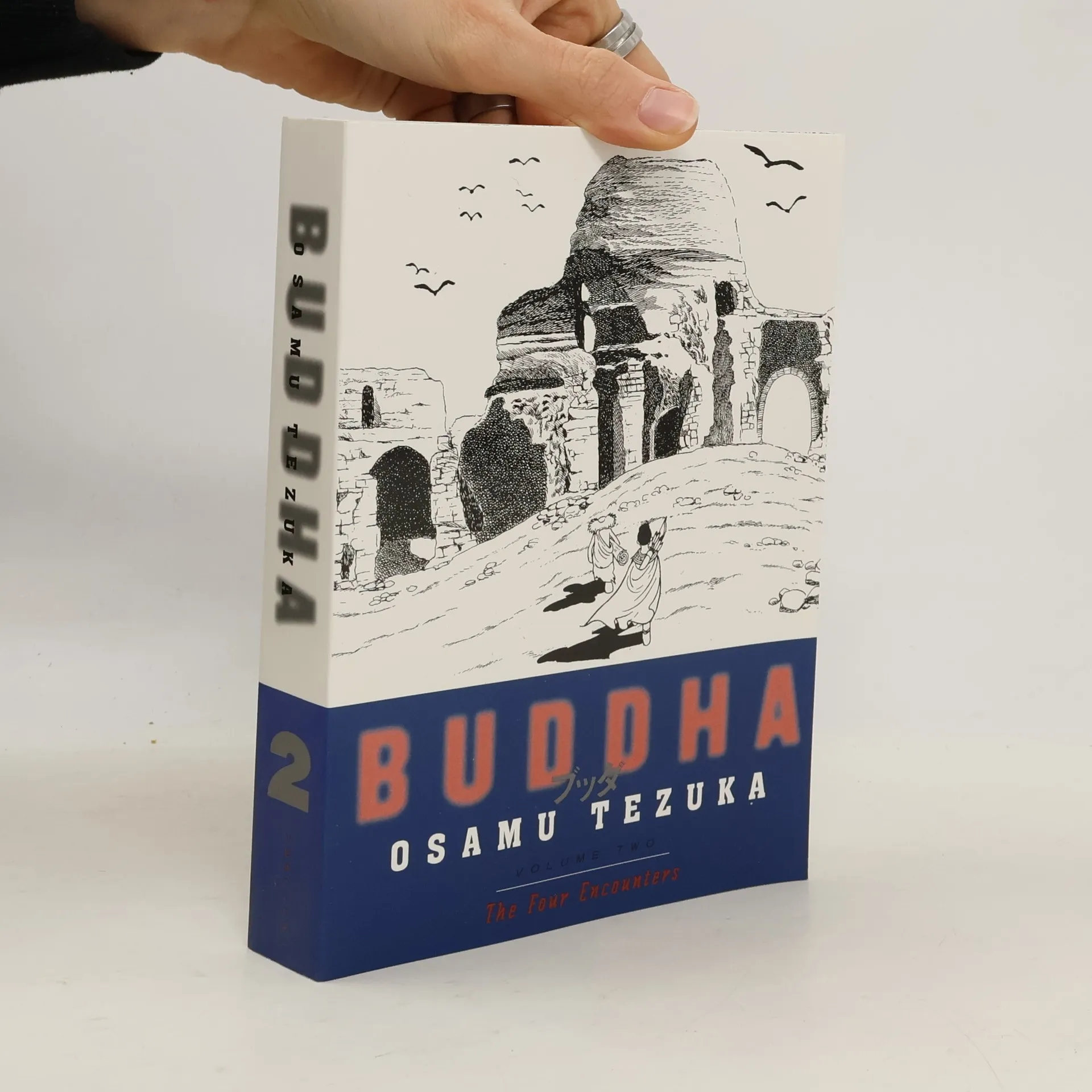
Buddha, Volume 02: The Four Encounters
- 411bladzijden
- 15 uur lezen
The first volume of Tesuka Osamu's fictional biography of Siddhartha, Gautama Buddha. Introduces Chapra, a slave boy who tries to escape his fate; Chapra's slave mother, who sticks by him no matter what; Tatta, a crazed wild child pariah who communes with animals; and Naradatta, a monk attempting to decipher strange portents of the Buddha's birth
Devadatta
- 322bladzijden
- 12 uur lezen
In "Devadatta" verkent Osamu Tezuka de complexe relatie tussen Devadatta, een van de belangrijkste figuren in de boeddhistische traditie, en Siddharta Gautama, de Boeddha. Het verhaal speelt zich af in het oude India en onthult de strijd tussen deze twee mannen, die beiden op zoek zijn naar verlichting, maar wiens wegen radicaal van elkaar verschillen. Tezuka belicht thema's als jaloezie, macht en de zoektocht naar waarheid, terwijl hij de lezer meeneemt op een reis door de morele en spirituele dilemma's van zijn personages. Met zijn kenmerkende stijl weet Tezuka humor en diepgang te combineren, waardoor hij niet alleen de levens van Siddharta en Devadatta verkent, maar ook bredere vragen over de menselijke conditie en de betekenis van het leven stelt. "Devadatta" is een meeslepende en reflectieve graphic novel die de lezer uitdaagt om na te denken over de aard van goed en kwaad.
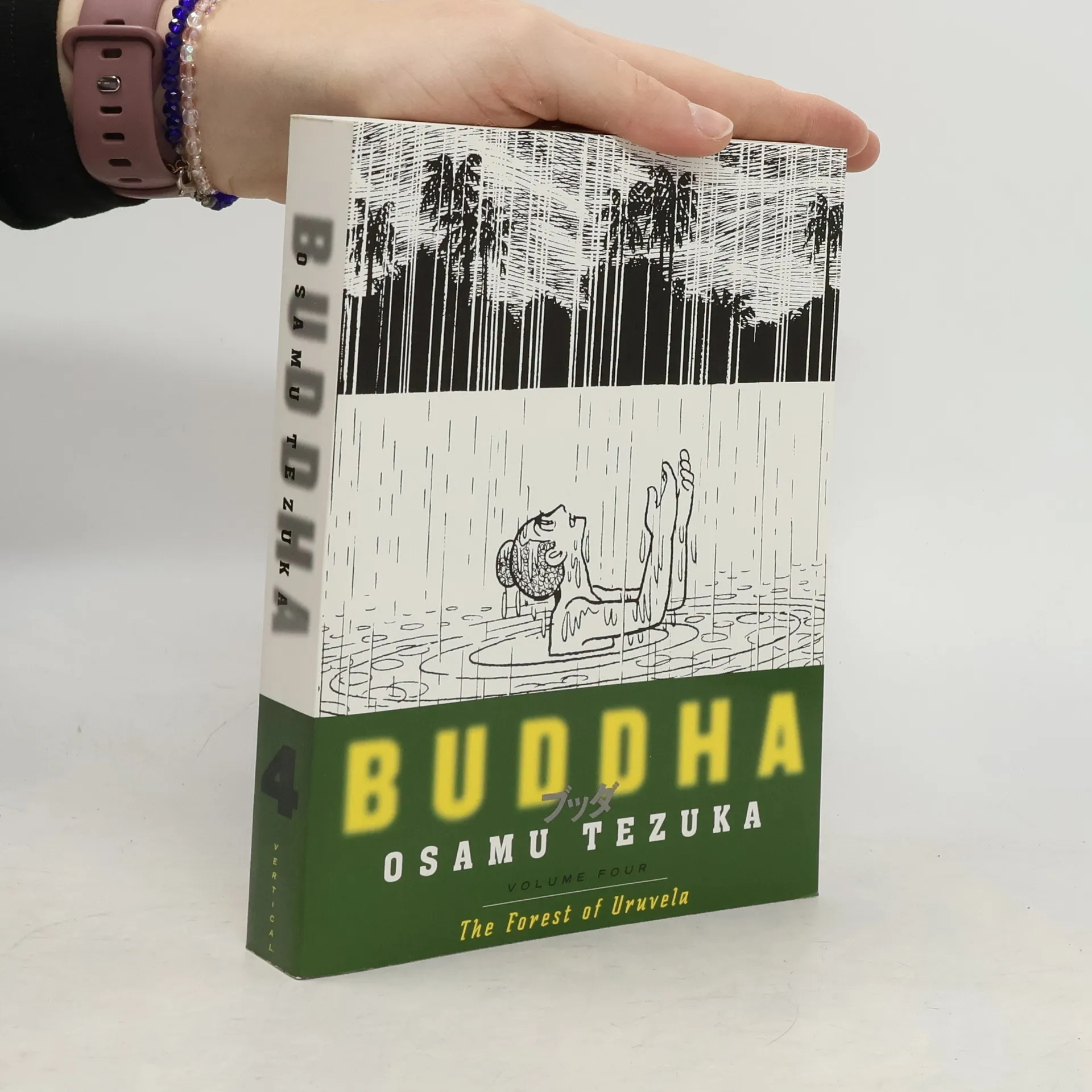
Buddha 4: The Forest of Uruvela
- 376bladzijden
- 14 uur lezen
Renowned for its critical acclaim, this work has garnered prestigious Eisner and Harvey Awards, showcasing its excellence in storytelling and artistry. The narrative weaves intricate characters and compelling themes, offering readers a deep exploration of its subject matter. The book stands out for its unique approach, blending humor and poignancy while tackling complex issues. With stunning illustrations and a captivating plot, it invites readers to engage with both the characters' journeys and the broader societal implications presented throughout the story.
In the fifth installment of manga-godfather Osamu Tezuka's Buddha, engagement with death imparts the lesson of life's sanctity. In a Machiavellian rise to power, Devadatta, a rogue aristocrat, incites war between two kingdoms that will leave thousands dead. King Bimisara of Magadha, fearing death his son's own hand, withdraws fatherly love. The true measure of the Buddha's divinity will turn out to be a test of diplomacy - the power of words.
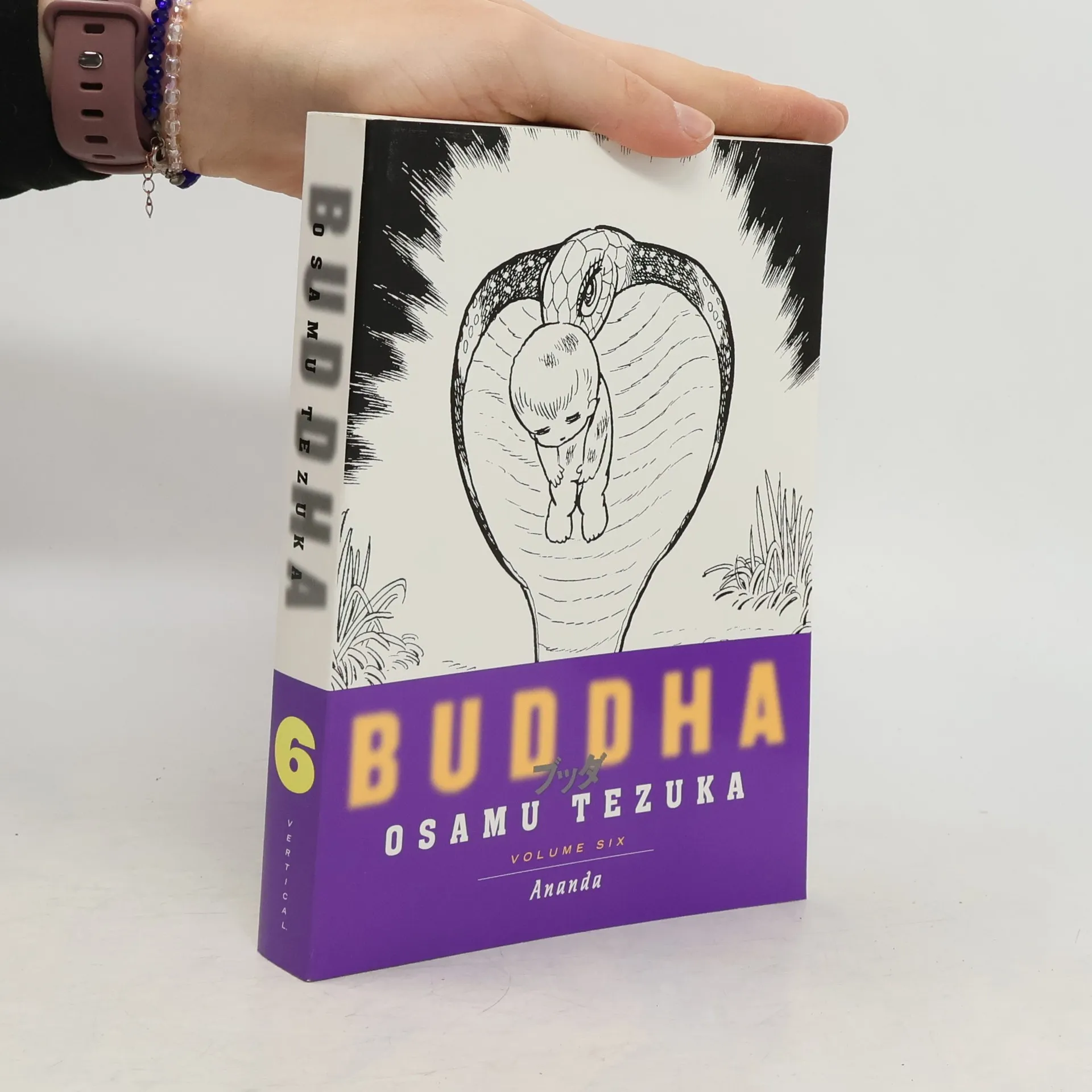
Buddha 6: Ananda
- 360bladzijden
- 13 uur lezen
The plot delves into the conflict between the devil Mara and the Buddha, focusing on Ananda, a bandit and half-brother of Devadatta, who becomes possessed by Mara. As a seemingly invulnerable killer, Ananda faces a moral dilemma: he must reject his love interest to maintain Mara's favor while navigating the complexities of his own identity and loyalties. This volume explores themes of temptation, sacrifice, and the struggle between good and evil.
Buddha 7: Prince Ajatasattu
- 420bladzijden
- 15 uur lezen
Osamu Tezuka's vaunted storytelling genius, consummate skill at visual expression, and warm humanity blossom fully in his eight-volume epic of Siddhartha's life and times. Tezuka evidences his profound grasp of the subject by contextualizing the Buddha's ideas; the emphasis is on movement, action, emotion, and conflict as the prince Siddhartha runs away from home, travels across India, and questions Hindu practices such as ascetic self-mutilation and caste oppression. Rather than recommend resignation and impassivity, Tezuka's Buddha predicates enlightenment upon recognizing the interconnectedness of life, having compassion for the suffering, and ordering one's life sensibly. Philosophical segments are threaded into interpersonal situations with ground-breaking visual dynamism by an artist who makes sure never to lose his readers' attention. Tezuka himself was a humanist rather than a Buddhist, and his magnum opus is not an attempt at propaganda. Hermann Hesse's novel or Bertolucci's film is comparable in this regard; in fact, Tezuka's approach is slightly irreverent in that it incorporates something that Western commentators often eschew, namely, humor.
Buddha 8: Jetavana
- 364bladzijden
- 13 uur lezen
The narrative explores Siddhartha's journey as he escapes his royal life to seek enlightenment, grappling with profound questions about Hindu practices and societal norms. Tezuka masterfully blends action, emotion, and philosophical insights, emphasizing compassion and the interconnectedness of life rather than resignation. His dynamic visual storytelling captivates readers while delving into the complexities of Siddhartha's experiences and the teachings of Buddhism, making the epic both engaging and thought-provoking.