

Bookbot

Cambridge Handboeken in Vergelijkende Politicologie

Deze reeks tekstboeken duikt in de complexiteit van de vergelijkende politiek en biedt inzichtelijke verkenningen van politieke systemen wereldwijd. Ontworpen om toegankelijk te zijn voor zowel beginners als meer gevorderde academici, biedt het een solide basis in belangrijke concepten en methodologieën. Elk deel, van algemene inleidingen tot landspecifieke casestudies, is zorgvuldig gestructureerd voor duidelijkheid en flexibiliteit. Ervaren docenten zullen de samenhangende aanpak waarderen, die een naadloze integratie in diverse curricula mogelijk maakt.

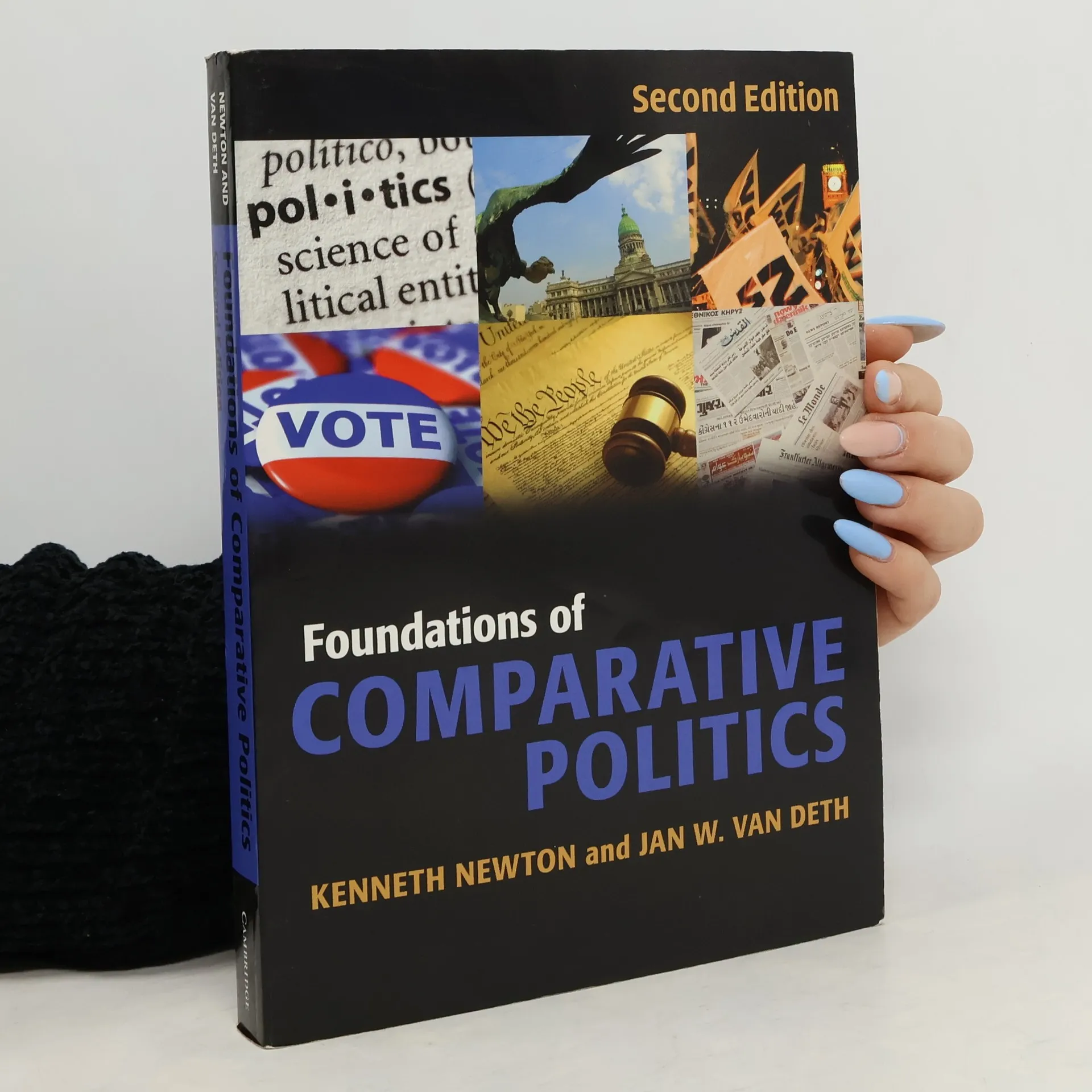
Foundations of Comparative Politics
The Politics of the European Union
  • A new introduction to the European Union which uses the lens of comparative politics. This approach helps students understand the EU through comparisons with domestic politics and links with broader debates in political science. The text is supported by numerous examples, and chapters include briefings, fact files and controversy boxes which highlight important information and controversial issues in EU politics to widen and deepen student understanding. The authors have developed online 'Navigating the EU' exercises that introduce students to useful sources of information on the internet and help them to analyse policy making in the EU. This textbook is a comprehensive introduction to EU politics and covers history, theory, key institutions and participants, as well as policies and policy making.

    The Politics of the European Union
    3,0
  • Foundations of Comparative Politics

    Second Edition

    • 472bladzijden
    • 17 uur lezen

    This student-friendly introduction to the key theories and concepts of comparative politics now provides even broader coverage of the world s democracies, with examples drawn from across the globe. Foundations of Comparative Politics contains a wealth of information, clearly structured and easy to read, with clear definition of Key Terms. It covers all the important themes in the field, including constitutional design and institutions; mass and elite politics; policy-making and implementation; and the future of the state and democracy in a globalising world. A new chapter on studying comparative politics, and new What Have We Learned? and Lessons of Comparison summary sections help students pull together the lessons of each chapter. Combining facts and theory throughout, debate is stimulated through the use of Controversy boxes, and Fact Files and Briefings give students interesting data that illustrates the key issues in the text. Online resources, including MCQs and Powerpoint slides, complete the package."

    Foundations of Comparative Politics
    3,3