

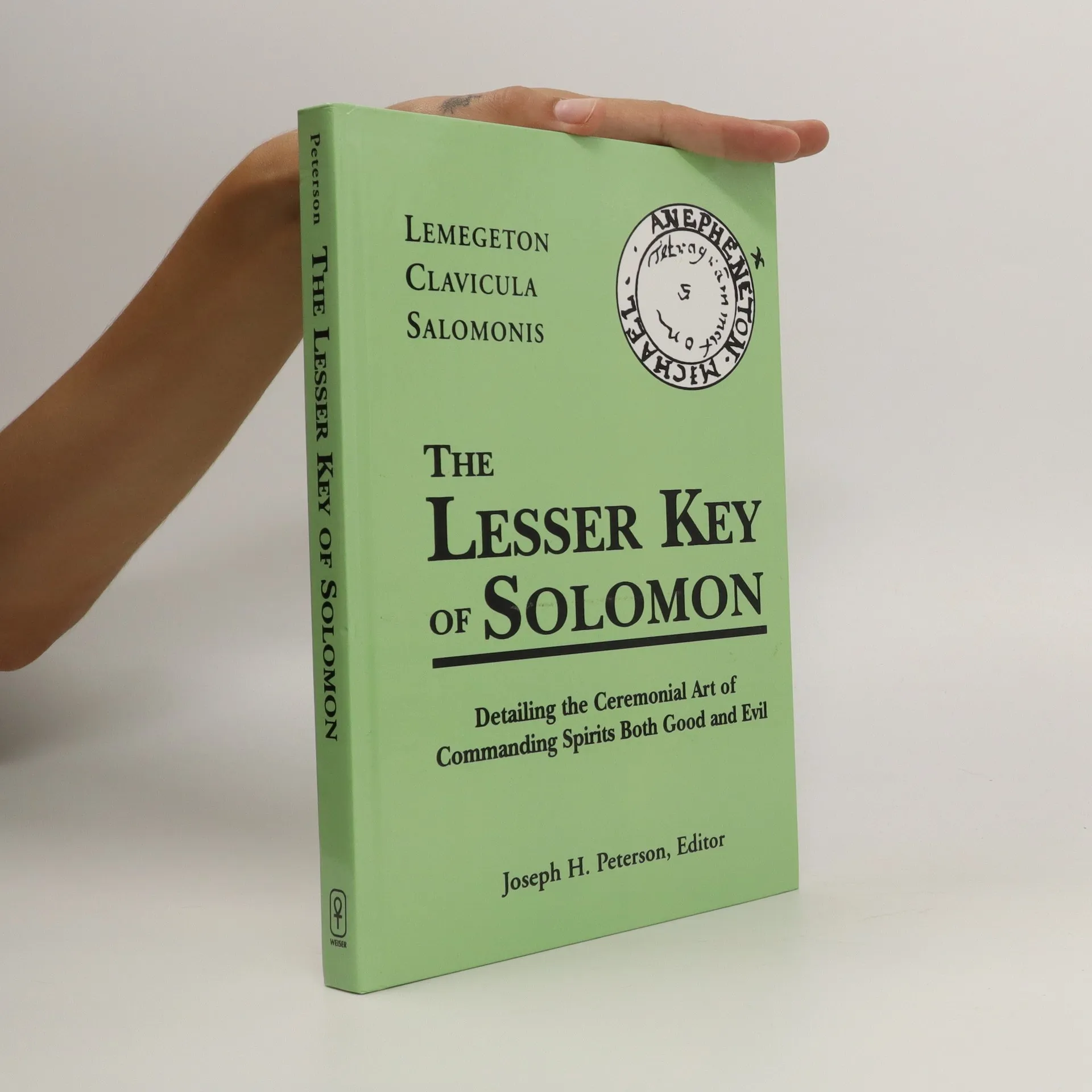
Compiled from original manuscripts and fragments in the British Museum Library, Joseph Peterson's new presentation is the most complete and accurate edition of this famous magical grimoire, "The Lesser Key of Solomon the King." He goes to great length to establish the provenance of each part, and possible derivative works, including critical analyses of all major variations, utilizing fresh translations of earlier magical texts such as Johann Trithemius's Steganographia, The Archidoxes of Magic by Paracelsus, and newly discovered Hebrew manuscripts of the original Key of Solomon. Abundantly illustrated, Peterson includes reproductions of the original magical circles, tools, and seals of the spirits with variations of certain drawings from various sources and notae missing from earlier editions. Source list. Appendicies. Index.
De Kleine Sleutel van Salomo Reeks
Deze serie duikt in de occulte kunsten en oude mysteries, en verkent de rijken van demonologie en rituele magie. Volg de zoektocht naar krachtige artefacten en vergeten kennis die de macht hebben om de realiteit vorm te geven. De verhalen zijn rijk aan spanning, mystiek en gevaarlijke ontmoetingen met bovennatuurlijke krachten. Fans van het occulte en dark fantasy zullen de diepgang en de ingewikkelde lore waarderen die door deze magische verhalen loopt.
Aanbevolen leesvolgorde
The Lesser Key of Solomon
- 116bladzijden
- 5 uur lezen
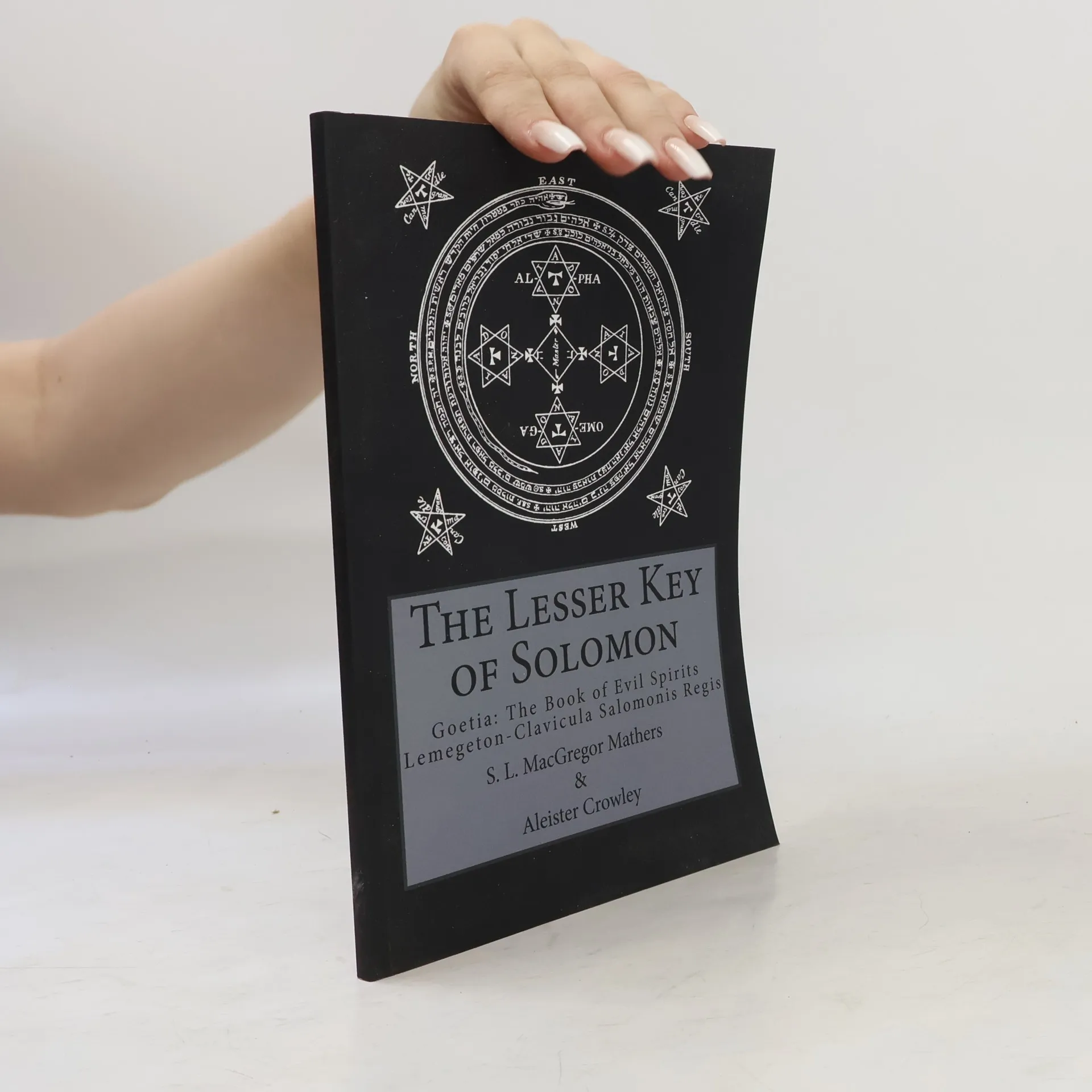
This trade paperback edition features Aleister Crowley and S.L. MacGregor Mathers' work, fully illustrated with over 100 replicas from the 1904 edition. The text, known as a grimoire, compiles ancient materials and writings, tracing back to the mid-16th to 17th centuries, when occultists like Cornelius Agrippa and Johannes Trithemisus gathered insights from their research. As a modern grimoire, it has undergone various editions, with different authors and editors interpreting the ancient texts. In 1898, Arthur Edward Waite included significant portions of this work in his own publication, followed by Mathers and Crowley in 1904 with their edition. Numerous versions have emerged since, emphasizing that it is the content rather than the book itself that defines this work. The source material is traditionally divided into five books: Ars Goetia, Ars Theurgia Goetia, Ars Paulina, Ars Almadel, and Ars Notoria, with Mathers and Crowley's edition focusing on the first. The preface notes that a "Secret Chief" of the Rosicrucian Order guided the completion of the book, originally started by G. H. Fra. D.D.C.F., who translated texts from French, Hebrew, and Latin but could not finish due to external challenges. Crowley was then asked to complete the work, with Mathers credited as the translator and Crowley as the editor.