

The autobiography begins with Elie Wiesel's poignant childhood in a loving Jewish family in Sighet, Romania, before transitioning to the harrowing experiences of Auschwitz and Buchenwald. It captures his spiritual struggles and eventual role as a voice for Holocaust victims and survivors, as well as his advocacy for the State of Israel and broader humanitarian issues. The volume is enriched with 16 pages of black-and-white photographs, providing a visual context to his powerful narrative.
De Memoires Reeks
Deze serie duikt in de diepten van de menselijke ziel en de herinneringen die onze levens vormen. Elk deel onderzoekt complexe relaties, verlies en de zoektocht naar betekenis in het aangezicht van onvoorstelbare gruwelen. Volg verhalen over overleving, herinnering en de ontembare menselijke geest. Het is een krachtige meditatie over wat het betekent om mens te zijn en hoe we omgaan met een traumatisch verleden.

Aanbevolen leesvolgorde
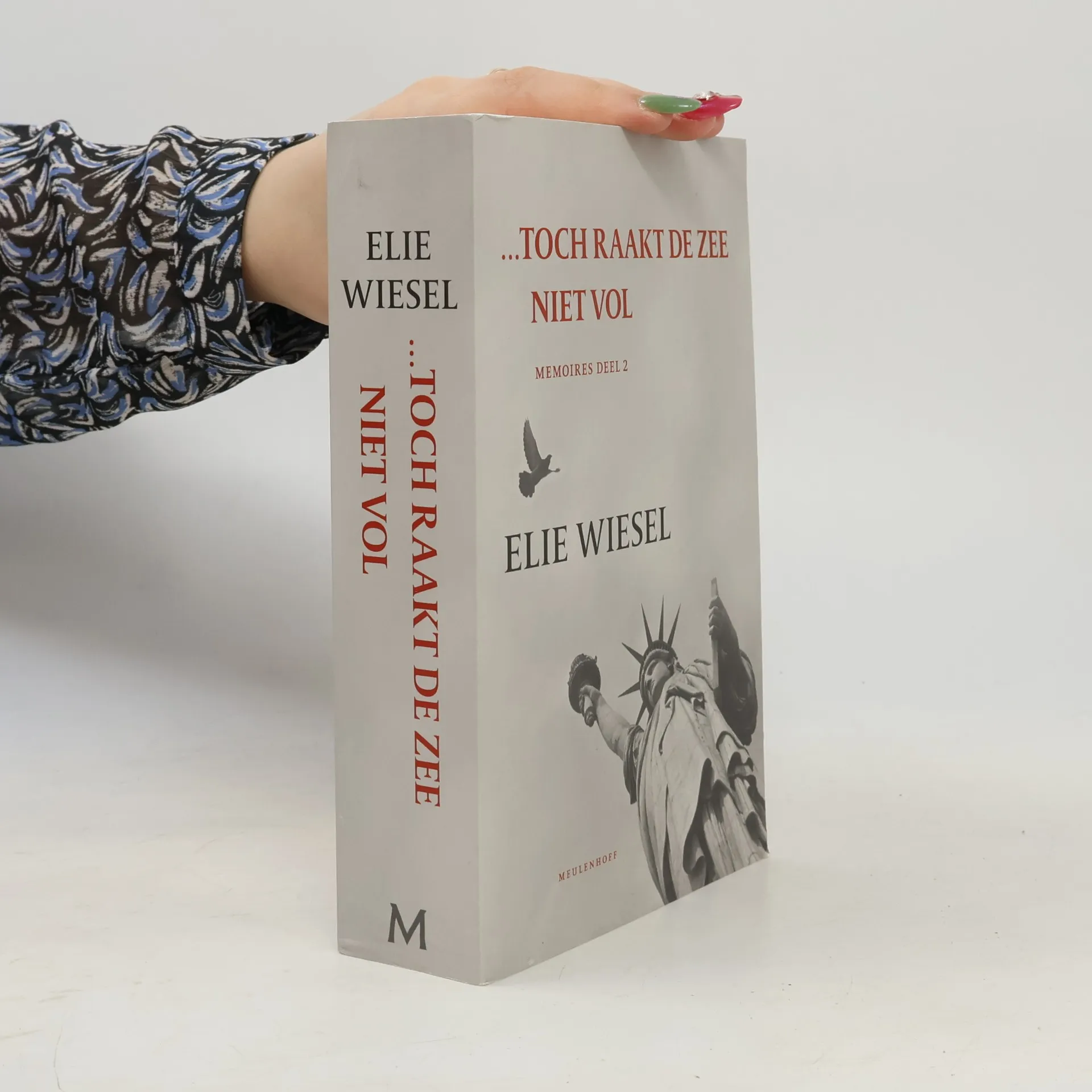
Memoires - 2: ...Toch raakt de zee niet vol
- 614bladzijden
- 22 uur lezen
In dit slotdeel van zijn aangrijpende memoires besluit Elie Wiesel, nu een gerenommeerde schrijver op veertigjarige leeftijd, zich sterker in te zetten voor Holocaustoverlevenden en gemarginaliseerde groepen. Hij verklaart: "Ik zal militant worden. Ik zal onderwijzen, delen, getuigen." Zijn woorden worden zijn wapen terwijl hij een reis vol onverzettelijke strijd aangaat. Wiesel gaat in gesprek met wereldleiders en reist naar conflictgebieden om dringende mondiale kwesties aan te pakken. Hij verdedigt vervolgde Joden en dissidenten in de Sovjetunie, strijdt tegen apartheid in Zuid-Afrika terwijl hij Mandela steunt, en vestigt de aandacht op de gruwelen in Cambodja en Bosnië. Als gezant van president Clinton bezoekt hij vluchtelingenkampen in Albanië en Macedonië. Hij bekritiseert Ronald Reagan voor zijn bezoek aan Bitburg en steunt Lech Walesa terwijl hij enkele van zijn standpunten uitdaagt. Wiesel confronteert Francois Mitterrand over misrepresentaties van zijn verleden en strijdt tegen Holocaustontkenners. Hij sluit zich aan bij jonge Oostenrijkers die protesteren tegen opkomend fascisme en ontvangt de Nobelprijs voor de Vrede. Gedurende zijn reis blijft Wiesel diep verbonden met Israël, reflecterend op zijn leiders en interne conflicten.